
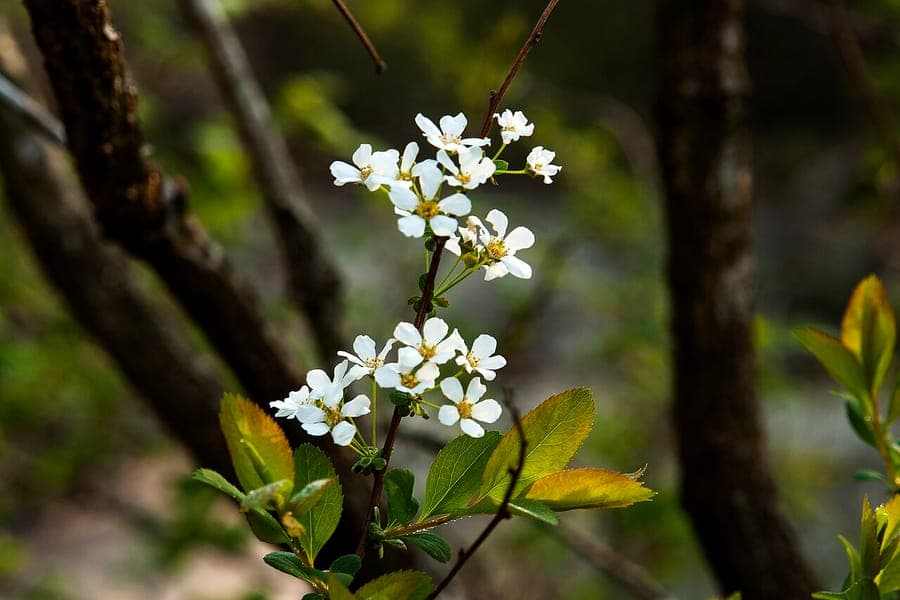
영철 이 from 광주 광역시 / CC BY-SA 2.0, via Wikimedia Commons
Spiraea prunifolia: complete guide
Spiraea prunifolia
¿Quieres ver Spiraea prunifolia: complete guide en tu jardín?
1 minuto, sin tarjeta de crédito
Spiraea prunifolia: Complete Guide
Overview
The Spiraea prunifolia, commonly known as bridal-wreath spiraea or Japanese spiraea, is an elegant deciduous shrub belonging to the Rosaceae family. Native to South-Central China and introduced worldwide, this fast-growing plant reaches heights of 1.5 to 2 meters and is celebrated for its abundant snowy-white flowers that burst forth in early spring. Gardeners and landscape designers favor this versatile shrub for its spectacular spring display, fine foliage texture, and low maintenance requirements. The plant's rapid growth habit and generous flowering make it an excellent choice for hedging, specimen planting, or mixed borders.
Appearance and Bloom
Spiraea prunifolia presents a graceful, upright growth form with fine, feathery foliage. The small, elliptical leaves are dark green throughout the growing season and often develop reddish tones in autumn. The hallmark feature is its profuse flowering habit: innumerable small white flowers emerge densely along the stems, creating continuous cordons of bloom from March through May. This spectacular display justifies its bridal-wreath common name. The flowers attract bees and beneficial insects, providing crucial early-season nectar and pollen resources.
Ideal Location
Bridal-wreath spiraea performs optimally in full sun to partial shade conditions. A minimum of six hours of direct sunlight daily ensures vigorous growth and abundant flowering. While the plant tolerates moderate shade, flowering intensity may decrease. Plant in locations sheltered from strong winds, which can damage the slender, cascading branches. Position the shrub where its spring flower display can be fully appreciated, creating a focal point in your landscape design.
Soil Requirements
Spiraea prunifolia is relatively undemanding regarding soil composition but prefers well-drained, moderately fertile soil with a pH range of 5.2 to 7.3. In heavy clay soils, incorporate sand and organic matter to improve structure and drainage. Compost or leaf mold mixed into the planting bed enhances moisture retention while maintaining good drainage. Avoid waterlogged conditions that promote root rot. If your garden has poor drainage, plant on a slightly raised bed or mound.
Watering
After planting, water regularly until the shrub is well-established, typically one to two years. Once mature, the plant exhibits reasonable drought tolerance, though supplemental watering during extended dry periods and active growth phases is beneficial. Water early morning or late evening to minimize evaporation. A 5-7 centimeter mulch layer around the base conserves soil moisture and suppresses weeds.
Diseño gratis
¿Quieres ver Spiraea prunifolia: complete guide en tu jardín? Crea un diseño gratis ahora.
Pruning
Pruning is essential for maintaining a healthy, attractive Spiraea prunifolia. Prune immediately after flowering in May-June to encourage compact growth and promote next year's blooms. Remove old, tangled, and damaged branches at the base. Thin out crowded stems to allow light penetration into the shrub's interior. Avoid autumn pruning, which stimulates tender new growth vulnerable to frost damage.
Maintenance Calendar
January-February: Assess frost damage. February-March: Plant new specimens. March-May: Enjoy peak flowering. June: Perform maintenance pruning post-bloom. July-August: Water during dry periods. September: Prepare for dormancy. October: Appreciate autumn color. November-December: Provide winter mulch. Monitor year-round for pests and diseases.
Winter Hardiness
Spiraea prunifolia exhibits excellent cold hardiness, tolerating temperatures as low as -15 to -20 degrees Celsius. In mild climates, the plant remains ornamental year-round. In regions with severe winters, young plants benefit from extra protection. A thick mulch layer of 10-15 centimeters around the base insulates roots and improves overwinter survival. Established plants rarely require supplemental protection.
Companion Plants
Bridal-wreath spiraea creates stunning spring combinations with other early bloomers. Pair with golden forsythia for contrasting color, or Magnolia stellata for softer pink tones. Underplant with hellebores and pulmonaria for ground-level interest. Combine with spring bulbs like tulips and daffodils for extended seasonal color. Evergreen shrubs such as boxwood or holly provide year-round structure and complement the spiraea's delicate appearance.
Conclusion
Spiraea prunifolia deserves a place in every garden celebrating spring's arrival. With minimal care requirements and maximum visual impact, this bridal-wreath shrub transforms any landscape into a springtime spectacle. From traditional gardens to contemporary designs, this versatile plant adapts beautifully to various aesthetic contexts. Select a sunny location, plant properly, and enjoy years of elegant white flowers. Specialized nurseries and garden centers offer quality plants and professional guidance. Discover more at gardenworld.app/en.
The Spiraea prunifolia elevates your spring garden experience, delivering reliable, spectacular blooms year after year. With this comprehensive guide, you are fully equipped to successfully integrate this elegant shrub into your landscape design on gardenworld.app/en.
¿Quieres ver Spiraea prunifolia: complete guide en tu jardín? Crea un diseño gratis ahora.
Sube una foto, elige un estilo y obtén un diseño fotorrealista con lista de plantas en menos de un minuto.
Más de 10.000 jardines diseñados
Sin tarjeta de crédito


Plantas similares
Siberian crab apple: complete guide
Malus x robusta
Complete guide to the Siberian crab apple (Malus x robusta): location, soil, pruning, winter hardiness and the best companion plants for your garden.
Chinese flowering crabapple (Malus x spectabilis): complete guide
Malus x spectabilis
Meet the Chinese flowering crabapple (Malus x spectabilis): a classic spring bloomer with carmine buds and pink blossom.
Potentilla crassinervia: complete guide
Potentilla crassinervia
Potentilla crassinervia, the Corsican cinquefoil, grows wild on Corsica and Sardinia's peaks. Discover how to grow this hardy alpine rock garden gem.