
Kurt Stüber [1] / CC BY-SA 3.0, via Wikimedia Commons
African linden: complete guide
Sparrmannia africana
¿Quieres ver African linden: complete guide en tu jardín?
1 minuto, sin tarjeta de crédito
Overview
The African linden (Sparrmannia africana), better known as room linden, is a South African plant with lovely white flowers and large heart-shaped leaves. This member of the Malvaceae family is known as a beautiful houseplant that needs plenty of light and regular care. With its generous growth and floral displays, it's a popular choice for those who want to create a tropical atmosphere in the home.
The African linden is easy to care for once you understand its basic needs. With regular watering, good drainage, and a sunny spot, this plant will thrive and produce flowers regularly. It's also suitable for keeping outdoors during summer months in temperate climates.
Appearance and bloom
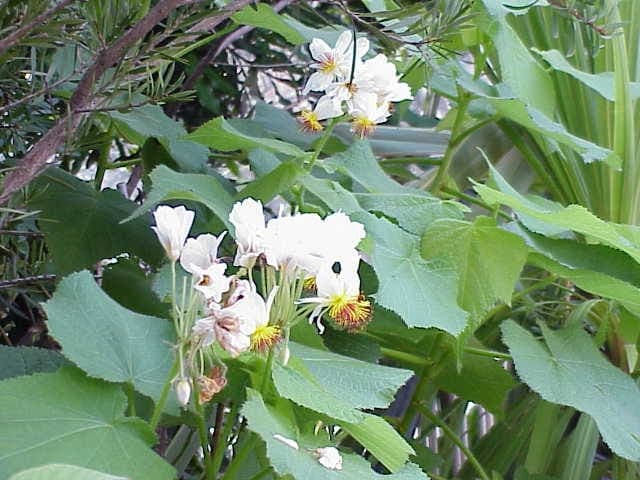
The African linden has characteristic large, heart-shaped leaves with distinct veins. The leaves are soft and velvety to the touch, making it pleasant. In spring and summer, it produces dense clusters of small white flowers with yellow stamens, very attractive to insects.
The plant usually reaches a height of 1 to 2 meters as a houseplant, with an elegant, slender growth. The flowers are nestled behind dense foliage and create a beautiful contrast with the dark green. Regular flowering occurs from April to August.
Ideal location
The African linden grows best in a very bright, light-rich environment. Place it near a window with indirect sunlight. Direct sunlight can scorch the leaves, so filtered light is better. A well-lit corner without direct sun is ideal.
This plant loves being outdoors in summer (May to October) in a sheltered spot. This promotes stronger growth and better blooming. Make sure it doesn't drop below 10 degrees Celsius at night.
Soil
The African linden grows best in nutrient-rich, well-draining potting soil. Use a mixture of universal potting soil with some sand or perlite for better drainage. The plant doesn't like stagnant water, so drainage is essential.
Repot each spring or as the plant outgrows its pot. A pot with drainage holes is necessary. Add organic material for better nutrition.
Watering
The African linden loves having regular water, especially during the growing season (spring and summer). Water two to three times per week, but make sure the soil doesn't become waterlogged. Always check that the top layer of soil feels dry before adding water.
In fall and winter, you can reduce watering. Keep the soil somewhat moist but not too wet. Rain water or distilled water is appreciated. Avoid watering the leaves, which can cause spotting.
Diseño gratis
¿Quieres ver African linden: complete guide en tu jardín? Crea un diseño gratis ahora.
Pruning
Regular pruning helps keep the plant compact and fuller. Pinch off growing tips to encourage branching. This results in a fuller plant with more flowers. Remove yellow or damaged leaves regularly.
If the plant becomes too tall and narrow, you can prune more aggressively. The plant recovers well from pruning. Best to prune in spring before new growth begins.
Maintenance calendar
- March-April: Beginning of growing period. Repot if needed. Begin regular watering.
- May-June: Blooming begins. Plenty of sunlight needed. Start adding fertilizer.
- July-August: Peak bloom. Fertilize every two weeks. Keep outdoors if possible.
- September-October: Flowering declining. Gradually reduce watering. Bring indoors before frost.
- November-December: Rest period. Less water. No fertilizer needed. Good light still important.
- January-February: Rest period continues. Minimal watering. Begin preparing for spring growth.
Winter hardiness
The African linden is NOT winter hardy and cannot tolerate frost. This is a houseplant that must be well protected against temperatures below 10 degrees Celsius. In temperate climates, it must be kept indoors or in a heated greenhouse.
In warm summer spots, it can be outdoors, but must be brought inside before frost threatens. This is not a plant for permanent outdoor cultivation.
Companion plants and combinations
The African linden pairs nicely with other tropical houseplants. Think ficus, monstera, and palm species. For a mixed container display, it works well with lower-growing plant selections.
As it can grow quite large, ensure adequate space. In a group display, it creates nice background structure.
Summary
The African linden is a valuable houseplant for those who enjoy bringing tropical atmospheres into the home. With large, beautiful leaves and regular white flowers, it provides visual interest. With regular feeding and good light, this plant will bloom and grow. Although frost-sensitive, its tropical character makes it a desirable addition to interior design.
Want more insight into houseplants? Visit gardenworld.app for more plant guides, also for outdoor garden designs.
¿Quieres ver African linden: complete guide en tu jardín? Crea un diseño gratis ahora.
Sube una foto, elige un estilo y obtén un diseño fotorrealista con lista de plantas en menos de un minuto.
Más de 10.000 jardines diseñados
Sin tarjeta de crédito


Plantas similares
Crimean linden: complete guide
Tilia × euchlora
Crimean linden is an elegant, fast-growing shade tree ideal for large gardens. Discover cultivars, spacing, maintenance tips and winter hardiness.
California flannelbush: complete guide
Fremontodendron californicum
Everything about California flannelbush (Fremontodendron californicum): sunny placement, drainage, pruning and care for this spectacular yellow-flowering shrub.
Hairy rose mallow: complete guide
Hibiscus moscheutos subsp. lasiocarpos
Full growing guide for hairy rose mallow (Hibiscus moscheutos subsp. lasiocarpos): location, soil, watering, winter hardiness and garden design tips.