
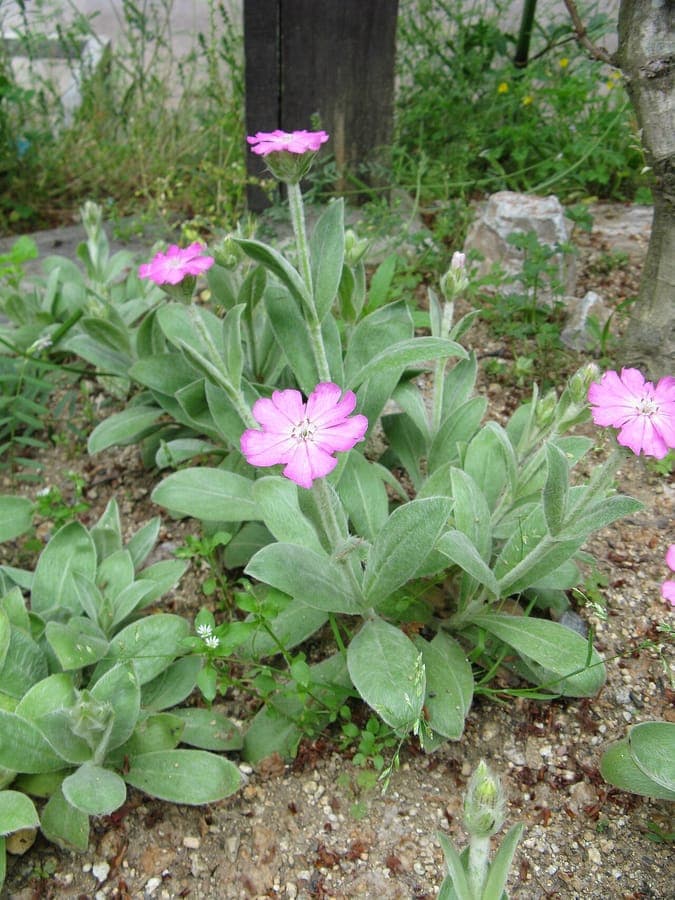
KENPEI / CC BY-SA 3.0, via Wikimedia Commons
Silene flos-jovis: complete guide to Flower of Jove
Silene flos-jovis
¿Quieres ver Silene flos-jovis: complete guide to Flower of Jove en tu jardín?
1 minuto, sin tarjeta de crédito
Overview
Silene flos-jovis, with the romantic common name Flower of Jove, is an enchanting small alpine plant belonging to the Caryophyllaceae family. This plant is native to the Alps, specifically occurring in mountainous regions of Switzerland, Italy, and Germany.
This charming alpine bloomer is a favorite among rock garden enthusiasts. With dense clusters of bright pink flowers above gray-green foliage, it brings true alpine magic to gardens. The plant is named after Jupiter, god of the sky, alluding to its luminous flowers.
Appearance and Bloom
Silene flos-jovis grows as compact rosettes with gray-green, hairy leaves. The plant typically reaches 20-30 centimeters tall and forms dense, compact clusters.
The flowers are the highlight of this plant. They are bright pink to purple-red, approximately 1 centimeter in diameter, and grow in dense clusters above the foliage. Flowers have characteristic fringed petal edges. The flowering period runs May to July.
Ideal Location
Silene flos-jovis is an absolute sun-lover requiring at least six hours of direct sunlight daily. Place this plant in the brightest spot in your garden.
Wind is less problematic for this mountain plant, as it naturally grows in windy alpine regions. Good air circulation helps prevent fungal infections.
Soil
Well-draining soil is essential. Silene flos-jovis grows in mountainous regions with rocky, lean soils. Heavy clay causes root rot.
Amend garden soil with at least 40% coarse sand, gravel, and small stones. The plant tolerates acidic to neutral soils (pH 5.5-7.5).
Diseño gratis
¿Quieres ver Silene flos-jovis: complete guide to Flower of Jove en tu jardín? Crea un diseño gratis ahora.
Watering
Once established, Silene flos-jovis is drought-tolerant. During growth and flowering periods (spring-summer), provide moderate water. Water only when soil feels dry.
In regions with high summer rainfall, additional drainage may be needed. Ensure water drains quickly away.
Pruning
Minimal pruning is required. Deadhead spent flowers after blooming to encourage more flowers. If plants become leggy, cut them back to half height after flowering.
Maintenance Calendar
Spring: Gently prepare plant beds. Begin watering.
Summer: Water as needed. Deadhead spent flowers for more blooms.
Autumn: Gradually reduce watering.
Winter: Minimal water. Plant is semi-dormant. Protect from excessive wet.
Winter Hardiness
Silene flos-jovis is extremely hardy, tolerating temperatures to -20 degrees Celsius or lower. However, the critical aspect is drainage in winter. Wet, frozen soil kills this plant.
Ensure excellent drainage with gravel or stone mulch around the plant.
Companion Plants
Silene flos-jovis combines beautifully with other alpine bloomers:
- Other Silene species
- Saxifraga (saxifrages)
- Dianthus (carnations)
- Pulsatilla (pasque flowers)
- Armeria (thrift)
They thrive together in identical sunny, drainage-rich conditions.
Conclusion
Silene flos-jovis is an essential plant for gardeners planning an alpine garden. This enchanting alpine bloomer brings true mountain magic with its bright pink flowers and exceptional hardiness. It requires minimal maintenance and offers years of enjoyment.
Visit quality garden centers for alpine materials and drainage gravel. Come to gardenworld.app for more alpine garden inspiration. Gardenworld.app helps you select complementary alpine plants for layered garden design.
¿Quieres ver Silene flos-jovis: complete guide to Flower of Jove en tu jardín? Crea un diseño gratis ahora.
Sube una foto, elige un estilo y obtén un diseño fotorrealista con lista de plantas en menos de un minuto.
Más de 10.000 jardines diseñados
Sin tarjeta de crédito


Plantas similares
Dianthus karami: complete guide
Dianthus karami
Dianthus karami is a rare Lebanese mountain pink with fringed pink blooms on limestone cliffs, ideal for rock gardens and troughs.
Sicilian pink: complete guide
Dianthus siculus
Discover Dianthus siculus, an elegant purple bloomer from Sicily. Cultivation, June-September flowering and garden combinations.
Alpine mouse-ear chickweed: complete guide
Cerastium pedunculatum
Full growing guide for Cerastium pedunculatum: ideal location, soil, watering, winter hardiness, and companion plants for rock gardens.