
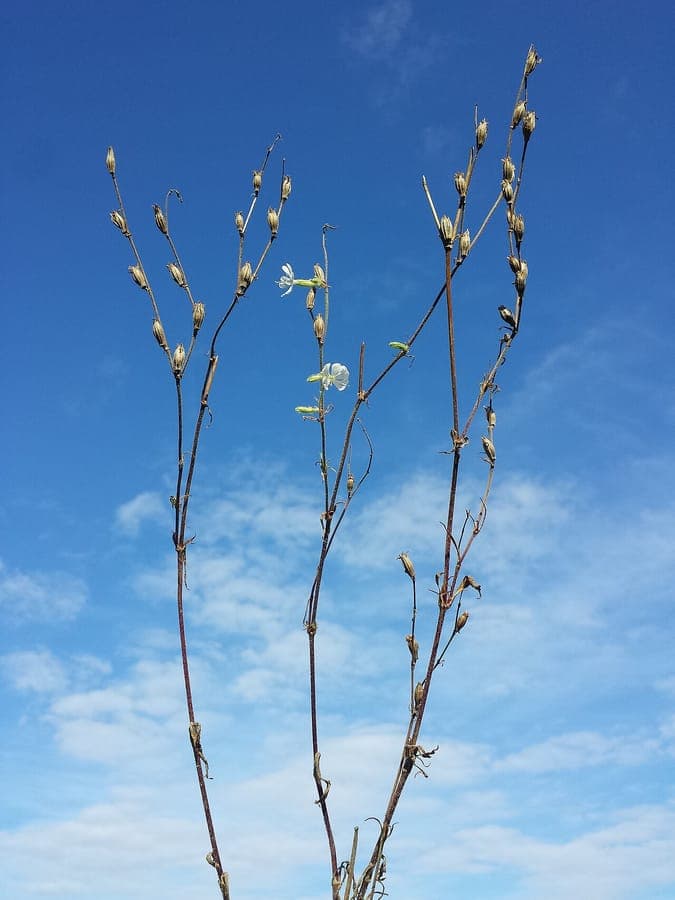
Stefan.lefnaer / CC BY-SA 4.0, via Wikimedia Commons
Silene dichotoma: complete guide
Silene dichotoma
¿Quieres ver Silene dichotoma: complete guide en tu jardín?
1 minuto, sin tarjeta de crédito
Overview
Silene dichotoma, known as forked catchfly, is an elegant annual to winter annual from the carnation family (Caryophyllaceae). The plant occurs from Italy to West Siberia and Iran. Forked catchfly is appreciated for its characteristic binary branching stems and delicate white or purple flowers. The plant typically reaches 30-60 cm in height and forms a distinctly branched, almost candelabra-like specimen.
This plant is popular in wildflower mixes and naturalistic gardens for its airy, charming growth habit. The name 'dichotoma' refers to the characteristic two-fold branching pattern that makes this plant unique among Silene species. Forked catchfly readily self-sows and is easily grown from seed.
Appearance and bloom
Forked catchfly consists mainly of thin, finely hairy stems that repeatedly split into two equal branches, hence the name 'dichotoma'. Leaves are very small, about 1-1.5 cm long, narrow lance-shaped and greyish-green. The numerous tiny flowers are approximately 1 cm in diameter, usually white or pale purple, sometimes with purple veins.
Flooring occurs from May to August, with peak bloom around June-July. The plant produces numerous flat round seed capsules. Growth is dense at the base and increasingly thin and airy towards the top, creating a delicate, transparent appearance.
Ideal location
Forked catchfly thrives in full sun to light partial shade. For full growth and maximum blooming, full sunlight is essential. The plant tolerates hot, dry conditions well due to its greyish-green, hairy foliage that minimizes water loss.
The plant performs well in warm, sunny locations. However, it is not winter hardy and dies after seed set in cooler climates. In northern regions, it can overwinter as seedlings under cool conditions.
Soil
Forked catchfly grows best in well-draining, preferably dry soil. The plant tolerates lean, sandy soils well. Heavy, waterlogged soil must be avoided as it causes root rot.
A pH between 6.5 and 7.5 is ideal. The plant can thrive on poor soils and actually produces more flowers on less fertile ground. Organic matter is not necessary and can even be detrimental to flowering.
Diseño gratis
¿Quieres ver Silene dichotoma: complete guide en tu jardín? Crea un diseño gratis ahora.
Watering
Forked catchfly is very drought-tolerant once established and requires minimal water. Young seedlings should be kept consistently moist until strong roots develop. After establishment (3 weeks), watering can be significantly reduced.
Excess water is harmful and leads to weak growth and rot. The plant thrives much better with dry feet. Water only during exceptional drought periods once established. Even in containers, the plant prefers dry conditions.
Pruning
Forked catchfly requires no pruning or deadheading. The natural branching growth is very charming and needs no modification. Dead flowers can be removed to prevent self-seeding if you prefer the plant not to spread.
Allow seed heads to mature if you wish to collect seed. Seed capsules open when ripe and disperse seed. Remove the entire plant in autumn when it has died.
Maintenance calendar
Spring: Sow directly into the ground in March-April where you want the plant to grow, or start indoors in February. Thin seedlings to 20-30 cm spacing.
Summer: Water minimally, only in extreme drought. Monitor for bloom and seed set. Plant grows quickly and self-fills easily.
Autumn: Allow seed heads to mature. Leave dead plants standing if you want them to self-sow for next year.
Winter: Plant is dead and maintenance-free in the north. In mild climates, it may overwinter as a young plant.
Winter hardiness
Forked catchfly is not winter hardy and cannot tolerate severe frost. The plant dies when temperatures fall below freezing. In mild climates, it can overwinter as a winter annual. In northern regions, it is a true annual.
Resow each year or allow the plant to self-seed by letting seed heads ripen and seed disperse naturally.
Companion plants
Forked catchfly combines beautifully with other delicate, airy annuals like lady's mantle, Geum and cosmos. The transparent growth works well as a buffer between denser plants. Also effective with Salvia, Linum and Dianthus.
In wildflower mixes, forked catchfly is perfect for its airy effects. Group in large numbers for best effect.
Conclusion
Forked catchfly is an easy, elegant annual with characteristic branching growth. The plant thrives in dry, sunny locations with minimal care. With its self-seeding and charming appearance, it is a valuable addition to naturalistic and wild gardens. Resow annually for continuous bloom. Discover more plant choices at gardenworld.app/en!
¿Quieres ver Silene dichotoma: complete guide en tu jardín? Crea un diseño gratis ahora.
Sube una foto, elige un estilo y obtén un diseño fotorrealista con lista de plantas en menos de un minuto.
Más de 10.000 jardines diseñados
Sin tarjeta de crédito


Plantas similares
Dianthus karami: complete guide
Dianthus karami
Dianthus karami is a rare Lebanese mountain pink with fringed pink blooms on limestone cliffs, ideal for rock gardens and troughs.
Sicilian pink: complete guide
Dianthus siculus
Discover Dianthus siculus, an elegant purple bloomer from Sicily. Cultivation, June-September flowering and garden combinations.
Alpine mouse-ear chickweed: complete guide
Cerastium pedunculatum
Full growing guide for Cerastium pedunculatum: ideal location, soil, watering, winter hardiness, and companion plants for rock gardens.