
Wu Qijun / Public domain, via Wikimedia Commons
Silene conoidea: complete guide
Silene conoidea
¿Quieres ver Silene conoidea: complete guide en tu jardín?
1 minuto, sin tarjeta de crédito
Overview
Silene conoidea, commonly known as large sand catchfly or weed silene, is a graceful herbaceous plant from the Caryophyllaceae family. This plant originates from the Mediterranean region, North Africa and Asia. The plant is characterized by its fine, refined growth habit and purple flowers. This is an ideal plant for dry, sunny gardens and Mediterranean garden designs.
The large sand catchfly is an annual to biennial plant that grows quickly and flowers abundantly. The plant is simple to grow from seed and requires minimal maintenance care.
Appearance and bloom
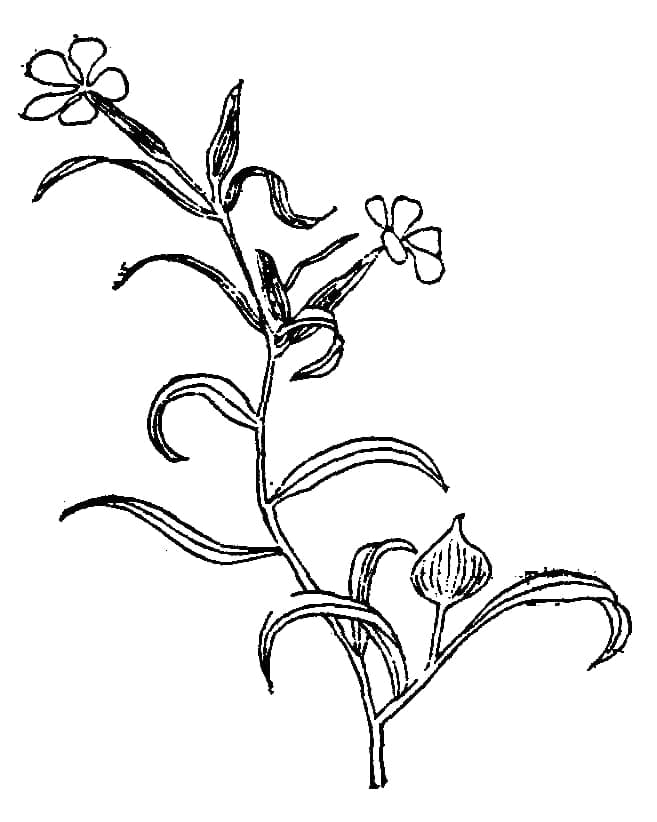
Silene conoidea grows as a slender, upright plant with heights of 30 to 60 centimeters. The stems are thin and sparsely branched. The leaves are small, linear and grayish-green in color, giving the plant a subtle appearance. The flowers are small, purple to pink-red colored and appear in loose axillary clusters.
The flowering period is long, usually from May to July. The flowers produce small seed capsules that form interesting shapes. This plant is suitable for wild gardens and natural arrangements.
Ideal location
Silene conoidea thrives best in completely sunny locations. At least 6-8 hours of direct sunlight daily is ideal. The plant tolerated no shade and blooms poorly in partial shade. A warm, dry spot is essential.
The plant is highly drought-tolerant and can endure extended dry periods without water. It is ideal for xeriscaping and dry rock gardens.
Soil quality
Silene conoidea is not fussy and grows well in poor, sandy soils. A pH of 6.5 to 7.5 is ideal. The plant prefers well-draining soil and tolerates no water-logged conditions. No rich fertilization is needed or desired.
Sandy, gravelly and calcareous soil types are perfectly suited. The plant can even thrive on very dry, poor soils where many other plants will not grow.
Watering
Once established, Silene conoidea is highly drought-tolerant. Minimal watering is needed outside the establishment period. Water only during very dry periods. In containers, water more regularly, though excessive watering should be avoided.
Young plants should receive regular watering until roots are established. After a few weeks, watering can be drastically reduced.
Diseño gratis
¿Quieres ver Silene conoidea: complete guide en tu jardín? Crea un diseño gratis ahora.
Pruning
Pruning is generally not necessary. Spent flowers can be removed to encourage further flowering. The plant can be removed after flowering and composted.
Allowing some flowers to remain on the plant promotes seed setting for next year. This also creates interesting seed formations.
Maintenance calendar
March to April: Sow seeds directly into ground or containers. Keep seed moist.
May to July: Water regularly until young plants are established. Remove faded flowers. Collect seed if desired.
August to October: Remove spent plants. Harvest seed and store for next year.
November to February: Winter dormancy. In warm regions, seed from previous season may germinate.
Winter hardiness
Silene conoidea is an annual or biennial plant without strong winter hardiness. In temperate climates, the plant will not survive cold winters. In warm regions, the plant can become self-sowing in mild winters.
In cold regions, the plant must be re-grown from seed each season. However, the plant is extremely easy to grow from seed.
Companion plants
Silene conoidea combines well with other drought-tolerant plants. Yellow-flowering plants such as Coreopsis and Achillea form beautiful contrasts. Silver-white plants such as Santolina and Artemisia provide interesting texture contrasts.
In Mediterranean gardens, it combines well with Lavender, Rosemary and other drought-tolerant plants. The fine foliage structure works particularly well against thicker-foliaged plants.
Closing
Silene conoidea is a preferred plant for gardeners with dry, sunny spots. With minimal watering requirements and simple seed sowing, this is a perfect low-maintenance element for Mediterranean and xeriscaping gardens. Visit gardenworld.app for more information about drought-tolerant garden plants. Consider this elegant purple bloom for your garden design on gardenworld.app!
¿Quieres ver Silene conoidea: complete guide en tu jardín? Crea un diseño gratis ahora.
Sube una foto, elige un estilo y obtén un diseño fotorrealista con lista de plantas en menos de un minuto.
Más de 10.000 jardines diseñados
Sin tarjeta de crédito


Plantas similares
Dianthus karami: complete guide
Dianthus karami
Dianthus karami is a rare Lebanese mountain pink with fringed pink blooms on limestone cliffs, ideal for rock gardens and troughs.
Sicilian pink: complete guide
Dianthus siculus
Discover Dianthus siculus, an elegant purple bloomer from Sicily. Cultivation, June-September flowering and garden combinations.
Alpine mouse-ear chickweed: complete guide
Cerastium pedunculatum
Full growing guide for Cerastium pedunculatum: ideal location, soil, watering, winter hardiness, and companion plants for rock gardens.