
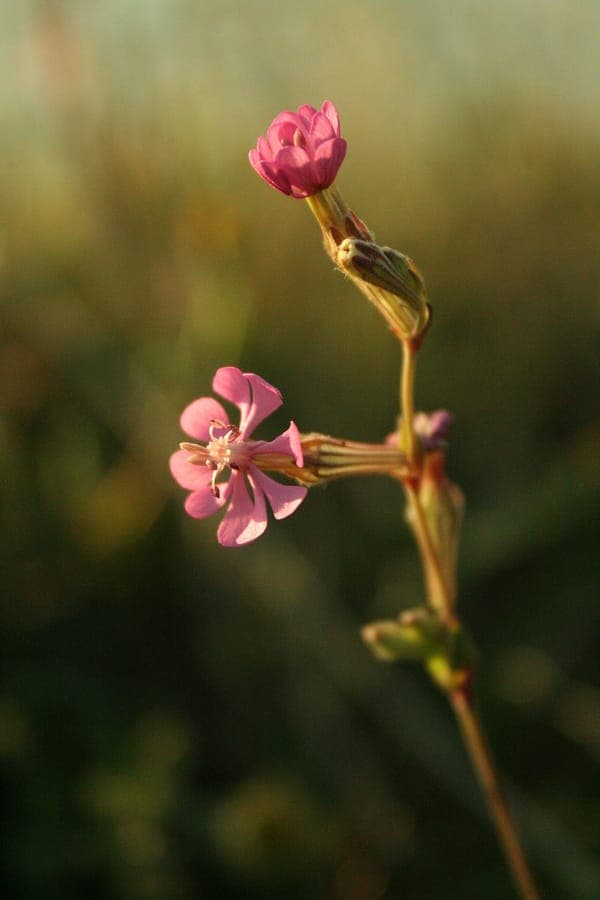
Mario Modesto Mata / CC BY-SA 3.0, via Wikimedia Commons
Silene colorata: complete guide
Silene colorata
¿Quieres ver Silene colorata: complete guide en tu jardín?
1 minuto, sin tarjeta de crédito
Overview
Silene colorata, commonly known as Roman catchfly or carmine catchfly, is a beautiful Mediterranean plant from the Caryophyllaceae family (carnation family). This plant grows naturally around the Mediterranean Sea in countries such as Italy, Spain, Greece and North Africa.
The plant is known for its compact growth, delicate pink flowers and prolific flower production. It is an ideal choice for dry gardens, borders, rock gardens and flower boxes.
Appearance and Bloom
Silene colorata is a compact, low-growing plant that reaches twenty to forty centimeters tall. Growth is moderate, feeling like a dwarf plant.
The leaves are small, linear to lance-shaped, approximately two to four centimeters long. The leaves are green and have a fine texture. The plant forms a compact, dense bushy.
Flowers appear from April to June in northern Europe (longer in warmer areas). The flowers are small, approximately eight to ten millimeters wide, with five petals. The flowers are bright pink to carmine red, sometimes with white eye in the center. They grow in loose flower clusters at the tops of branches.
The fruits are small seed capsules with dozens of small seeds.
Ideal Location
Silene colorata requires plenty of sun and warmth. Plant this plant in a sunny to partially shaded location where it gets at least four to six hours of direct sunlight per day.
Temperature is not critical. The plant tolerates frost periods well and can overwinter in temperate climates.
The plant prefers dry locations. Humid climate can cause fungus. Ensure good ventilation.
Soil
Silene colorata prefers well-draining, light soil. This is a plant for dry conditions. Prepare soil as follows:
- Fifty percent sand
- Thirty percent potting soil
- Twenty percent perlite
The plant accepts neutral to slightly alkaline pH (6.5 to 8.0).
Good drainage is essential. Wet feet cause immediate root rot.
Diseño gratis
¿Quieres ver Silene colorata: complete guide en tu jardín? Crea un diseño gratis ahora.
Watering
Silene colorata needs little water. This is a drought-tolerant plant.
Growing period: Water moderately. Let soil dry between waterings. In rainy periods extra water may not be needed.
Summer period: Plant can tolerate drought. Even in hot periods give minimal water.
Winter period: Minimal water. Plant grows little.
Beware of overwatering. This is the most common cause of death for this plant.
Pruning
Silene colorata needs minimal pruning. Pruning after flowering helps encourage compact growth.
Remove spent flowers during growing season to encourage more blooms.
Remove only dead plant parts.
Maintenance Calendar
February to March: Start light feeding. April to May: Bloom begins. Start regular watering. June to July: Bloom peak. Give moderate water. August to September: Bloom declines. Reduce water. October to November: Stop feeding. Plant rests. December to January: Minimal water. Plant rests.
Winter Hardiness
Silene colorata is winter hardy in temperate climates. The plant can tolerate temperatures down to minus fifteen degrees Celsius, especially in dry conditions.
In very wet winters the plant can die from excessive moisture. Ensure good drainage and protection from winter wet.
In very cold climates (below minus twenty degrees) protection may be needed.
Companion Plants
Silene colorata grows well together with:
- Lavandula: Lavender, drought-tolerant partner
- Rosmarinus: Rosemary, Mediterranean accent
- Cistus: Other Mediterranean flowering shrubs
- Phlox: Other pink bloomers
- Santolina: Other dry plants
- Helianthemum: Rock rose, companion
These combinations create beautiful dry gardens.
Conclusion
Silene colorata is a small but frost-resistant accent for dry gardens. The pink flowers and compact growth make it ideal for borders, flower boxes and rock gardens.
With minimal care and plenty of sun, this plant will grow and flower for years. It is a very sustainable choice for drought-tolerant gardens.
Seek young plants from flower centers or alpine specialists. The plant is easy to grow.
Visit gardenworld.app for more drought-tolerant plant guides and design tips.
Order plants from Intratuin or Gamma.
Perfect for those seeking a Mediterranean accent in dry conditions.
¿Quieres ver Silene colorata: complete guide en tu jardín? Crea un diseño gratis ahora.
Sube una foto, elige un estilo y obtén un diseño fotorrealista con lista de plantas en menos de un minuto.
Más de 10.000 jardines diseñados
Sin tarjeta de crédito


Plantas similares
Dianthus karami: complete guide
Dianthus karami
Dianthus karami is a rare Lebanese mountain pink with fringed pink blooms on limestone cliffs, ideal for rock gardens and troughs.
Sicilian pink: complete guide
Dianthus siculus
Discover Dianthus siculus, an elegant purple bloomer from Sicily. Cultivation, June-September flowering and garden combinations.
Alpine mouse-ear chickweed: complete guide
Cerastium pedunculatum
Full growing guide for Cerastium pedunculatum: ideal location, soil, watering, winter hardiness, and companion plants for rock gardens.