
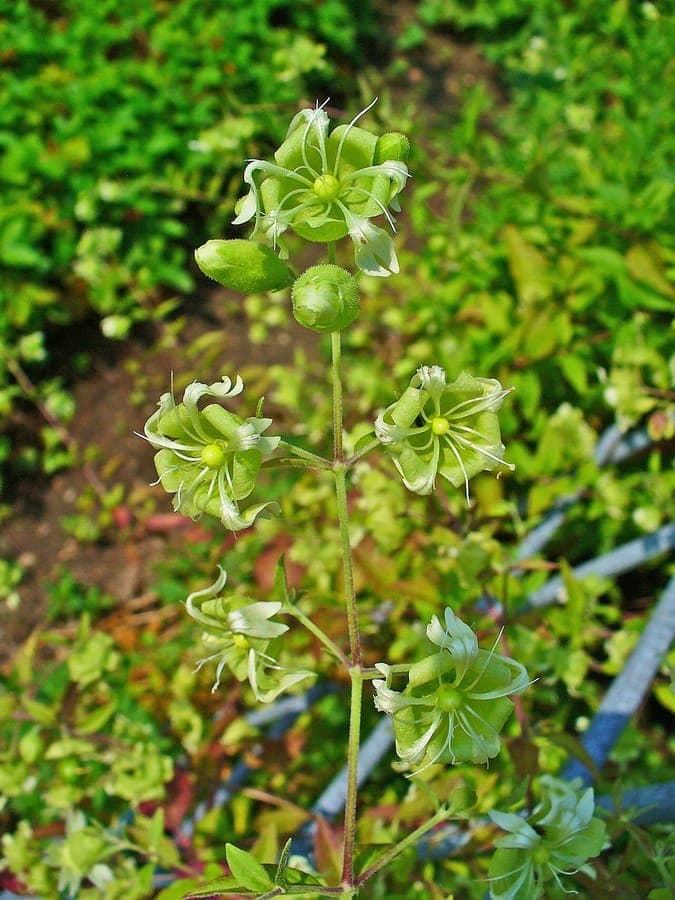
H. Zell / CC BY-SA 3.0, via Wikimedia Commons
Berry Catchfly: Complete Guide
Silene baccifera
¿Quieres ver Berry Catchfly: Complete Guide en tu jardín?
1 minuto, sin tarjeta de crédito
Berry Catchfly (Silene baccifera): Complete Guide
Overview
Berry catchfly, scientifically known as Silene baccifera, is a fascinating plant from the Caryophyllaceae family distinguished by its characteristic berry-like fruits. This perennial is native to much of Europe, Asia, and North Africa and naturally occurs in woodland and mountainous areas. Unlike most Silene species bearing seeds, this plant produces berry-like fruits.
The plant is known by various names, including berry catchfly in English, hühnerbiss in German, and cucubale à baies in French. The botanical name baccifera directly refers to this characteristic feature of berry-like fruits.
Appearance and Bloom
Berry catchfly is an elegantly growing plant with soft, somewhat hairy stems and opposite leaves. The plant grows to approximately 60-90 centimeters in height, depending on growing conditions. The plant develops moderately dense foliage with grayish-green leaves.
The flowers are small and white to pale pink, appearing in small, loose clusters during summer (July to September). The flowers themselves are not very showy, but the most interesting feature follows: the fruits. Instead of dry seed pods, swelling, berry-like fruits develop that become red or purple. These berry-like fruits are the plant's most striking ornament.
Ideal Location
Berry catchfly grows best in partial to full shade locations, ideally with filtered light or a few hours of sun. The plant is actually suited for woodland environments and thrives when protected from full midday sun.
The plant prefers well-ventilated locations and feels at home under trees and shrubs. It can also be used under eaves or against shaded south walls.
Diseño gratis
¿Quieres ver Berry Catchfly: Complete Guide en tu jardín? Crea un diseño gratis ahora.
Soil
Berry catchfly grows best in moist, well-draining soil with some humus. The plant is not particular about soil type but prefers fertile soils. Moderate fertility in moist soil is ideal.
The plant tolerates various soil pH, from acidic to neutral. In poor, dry soils, the plant grows slowly and blooms insufficiently.
Watering
Berry catchfly requires regular moisture, especially during the growing season. The soil should not dry completely. In dry periods, regular watering is necessary.
In locations under trees, natural rainfall may be sufficient. In open, full-sun locations, more frequent watering is needed.
Pruning
Pruning is optional. Spent flowers can be removed to maintain neatness. Damaged or diseased stems should be removed. After blooming, stems can be cut to ground level.
The plant usually self-seeds, so seed pods can remain for natural self-seeding.
Maintenance Calendar
Spring: New growth develops. Fertilization can be applied. Summer: Bloom and fruiting. Regular watering. No major maintenance needed. Fall: Fruits mature. Plant begins declining above ground. Winter: Above-ground parts die. Underground parts survive frost.
Winter Hardiness
Berry catchfly is completely winter hardy in temperate climates and survives temperatures to -15 degrees Celsius. The plant emerges each spring from its underground system.
Companion Plants
Berry catchfly combines well with other woodland plants such as ferns, climbing vines, and other shade-loving species. Other perennial wildflowers and native species are suitable partners.
Conclusion
Berry catchfly is a fascinating plant for enthusiasts of unusual fruits and natural garden authenticity. With its characteristic red berry-like fruits, it offers biological and visual interest. The plant is easy to cultivate in suitable locations and contributes to biodiversity. Visit gardenworld.app for more plant advice. Happy gardening!
¿Quieres ver Berry Catchfly: Complete Guide en tu jardín? Crea un diseño gratis ahora.
Sube una foto, elige un estilo y obtén un diseño fotorrealista con lista de plantas en menos de un minuto.
Más de 10.000 jardines diseñados
Sin tarjeta de crédito


Plantas similares
Dianthus karami: complete guide
Dianthus karami
Dianthus karami is a rare Lebanese mountain pink with fringed pink blooms on limestone cliffs, ideal for rock gardens and troughs.
Sicilian pink: complete guide
Dianthus siculus
Discover Dianthus siculus, an elegant purple bloomer from Sicily. Cultivation, June-September flowering and garden combinations.
Alpine mouse-ear chickweed: complete guide
Cerastium pedunculatum
Full growing guide for Cerastium pedunculatum: ideal location, soil, watering, winter hardiness, and companion plants for rock gardens.