
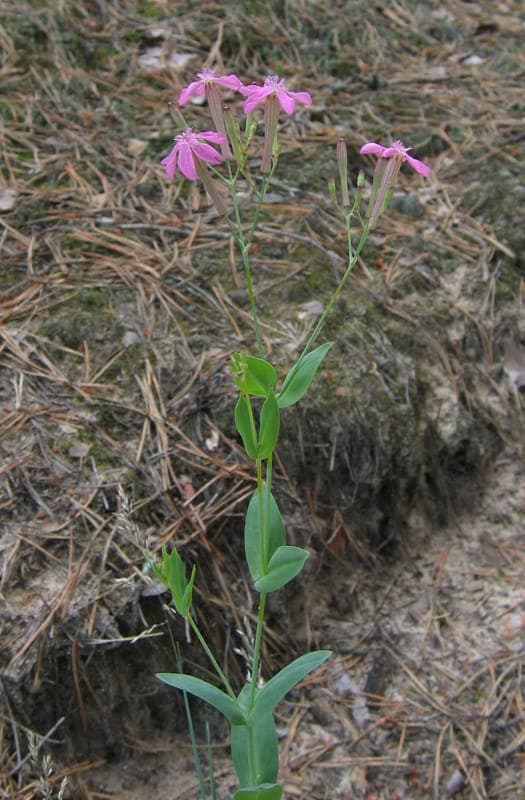
Ecoturyst / CC BY-SA 3.0, via Wikimedia Commons
Sweet-William Campion: complete guide
Silene armeria
¿Quieres ver Sweet-William Campion: complete guide en tu jardín?
1 minuto, sin tarjeta de crédito
Overview
Silene armeria, known as Sweet-William campion or Garden catchfly, is a characterful annual or biennial flower from Europe. With bright pink star-like flowers, it adds cheerful color to any garden. This plant attracts bees and butterflies while thriving with minimal effort, making it perfect for beginner gardeners.
Appearance and Bloom
Sweet-William campion reaches 30-50 cm tall with slender, upright stems. The flowers are small, just millimeters wide, but appear in dense clusters displaying brilliant pink with sometimes white centers. Flowering runs June to September providing extended color. Leaves are linear and glaucous, creating attractive contrast with the bright pink blooms.
Ideal Location
Choose a spot with at least six hours of daily sunlight. Full sun produces the most abundant flowers, though the plant tolerates partial shade. Ensure good air circulation to prevent fungal diseases. Protect from strong winds that might break stems.
Soil
Well-drained soil is preferred. Silene armeria grows in diverse soil types from sandy to lightly clayey. Neutral pH is ideal, but the plant is flexible and tolerant. Add humus for moisture retention without waterlogging. Very rich soils may cause excessive leaf growth at the expense of flowering.
Diseño gratis
¿Quieres ver Sweet-William Campion: complete guide en tu jardín? Crea un diseño gratis ahora.
Watering
Moderate watering. After sowing, keep moisture consistent until establishment. Thereafter water when soil feels dry. Once established, the plant tolerates drought stress reasonably well. Avoid standing water and overwatering. During extremely dry periods water regularly.
Pruning
Remove spent flowers regularly to encourage more blooms. This significantly extends the flowering period. Cut away brown or damaged stems. After the first bloom flush, gentle pruning to halfway down stems can stimulate another round of flowering.
Maintenance Calendar
Spring: Direct sow after last frost. Summer: Regularly remove spent flowers, water as needed. Autumn: Prevent or collect self-seeding. Winter: Biennials prepare for next season.
Winter Hardiness
Silene armeria is moderately winter hardy. Annuals die after first frost. Biennials can survive light frosts to -5 degrees, especially on well-drained, dry sites. Winter protection is useful in very wet winters.
Companion Plants
Looks beautiful with blue flowers like Veronica or Cornflower. White blooms like Gypsophila contrast nicely. Low-growing Catmint forms an elegant underplanting. Combined with ornamental grasses it achieves a romantic look.
Closing Thoughts
Silene armeria is an uncomplicated, cheerful flower that brightens any garden. Perfect for cut flowers, borders and flowering groundcovers. Find quality specimens at garden centers. More info at gardenworld.app/en and gardenworld.app/nl.
¿Quieres ver Sweet-William Campion: complete guide en tu jardín? Crea un diseño gratis ahora.
Sube una foto, elige un estilo y obtén un diseño fotorrealista con lista de plantas en menos de un minuto.
Más de 10.000 jardines diseñados
Sin tarjeta de crédito


Plantas similares
Dianthus karami: complete guide
Dianthus karami
Dianthus karami is a rare Lebanese mountain pink with fringed pink blooms on limestone cliffs, ideal for rock gardens and troughs.
Sicilian pink: complete guide
Dianthus siculus
Discover Dianthus siculus, an elegant purple bloomer from Sicily. Cultivation, June-September flowering and garden combinations.
Alpine mouse-ear chickweed: complete guide
Cerastium pedunculatum
Full growing guide for Cerastium pedunculatum: ideal location, soil, watering, winter hardiness, and companion plants for rock gardens.