
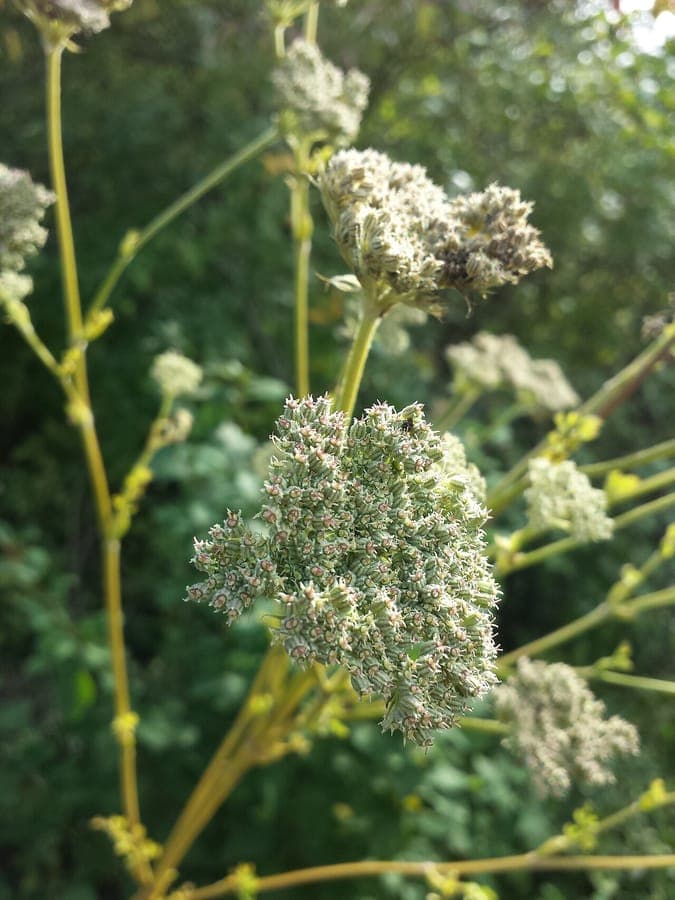
Stefan.lefnaer / CC BY-SA 3.0, via Wikimedia Commons
Mooncarrot: complete guide
Seseli libanotis
¿Quieres ver Mooncarrot: complete guide en tu jardín?
1 minuto, sin tarjeta de crédito
Overview
Mooncarrot (Seseli libanotis) is a fascinating perennial from the carrot family that originates from Europe to Siberia and northern Iran. This plant is known for her delicate white flowers and her extraordinary ability to thrive in dry, challenging garden locations. With its ornamental feathery structure and attractive flower clusters, Mooncarrot is a reliable choice for gardeners focused on wildflower gardens and pollinator-friendly designs.
Appearance and Bloom
Mooncarrot reaches heights of 40 to 80 centimeters with fine, highly divided leaves that have an almost gauze-like appearance. The plant blooms from June to August with small white flowers that appear in flat clusters. These flowers attract butterflies and bees and are important food sources for insects. The delicate flower and foliage structure gives an airy and natural appearance.
Ideal Location
Mooncarrot thrives perfectly in full sun locations with well-draining soil. The plant grows best on dry, sunny slopes and can tolerate warm weather. This makes it ideal for front gardens in Mediterranean or continental climates. Avoid shady locations where the plant struggles with moisture accumulation.
Soil
This plant prefers dry to moderately moist, well-draining soils. It grows excellently in chalky soils and can flourish even in poor soils. Good drainage is essential to prevent root rot. Gardeners add sand or gravel to clayey soils to improve drainage.
Watering
Once established, Mooncarrot is very drought-tolerant and requires minimal watering. Young plants need regular moisture input until they are well-established. In very dry summers, occasional deep watering can improve flowering. Avoid excessive watering which can cause rot.
Diseño gratis
¿Quieres ver Mooncarrot: complete guide en tu jardín? Crea un diseño gratis ahora.
Pruning
Mooncarrot requires minimal maintenance. Remove faded flowers to encourage more blooming. After the first year, the plant can self-seed, resulting in natural spread. Light pruning in early spring helps shape the plant.
Maintenance Calendar
In spring, only minimal feeding is needed. This plant thrives in poor soils and excessive feeding promotes foliage over flowers. Regularly check for aphids and spider mites in warm seasons, though the plant is generally very resistant. Remove dead foliage material in late autumn.
Winter Hardiness
Mooncarrot is very hardy and can withstand temperatures down to -20 degrees Celsius. This makes it suitable for temperate and cold climates across Europe. The plant can self-seed and new plants emerge in spring. In very damp winter gardens, extra drainage can help.
Companion Plants
Mooncarrot combines well with other drought-loving plants such as lavender, santolina, and oregano. Sun-lovers like Stipa grasses and Salvia varieties create beautiful neighbors. Other companion plants from the carrot family like Fennel and Anise work excellently together.
Conclusion
Mooncarrot is a reliable, drought-tolerant plant perfectly suited to gardens with dry, sunny spots. With its graceful appearance, attraction to pollinators, and minimal maintenance requirements, it is an excellent choice for environmentally responsible gardens. Grow this plant and enjoy its delicate flowers throughout the summer season. Available at major garden retailers throughout Europe.
¿Quieres ver Mooncarrot: complete guide en tu jardín? Crea un diseño gratis ahora.
Sube una foto, elige un estilo y obtén un diseño fotorrealista con lista de plantas en menos de un minuto.
Más de 10.000 jardines diseñados
Sin tarjeta de crédito


Plantas similares
Whorled carrot: complete guide
Daucus involucratus
Daucus involucratus is a Mediterranean umbellifer with white flower heads framed by lacy bracts. Growing this gravel garden gem.
Daucus muricatus: complete guide
Daucus muricatus
Daucus muricatus, the spiny wild carrot, grows wild on Mediterranean coasts. Discover sowing, June-July bloom, and wildflower meadow use.
Daucus pumilus: complete guide
Daucus pumilus
Daucus pumilus is a dwarf wild carrot relative with white lacy umbels, thriving on dunes and coastal rock in poor, fast-draining soil.