
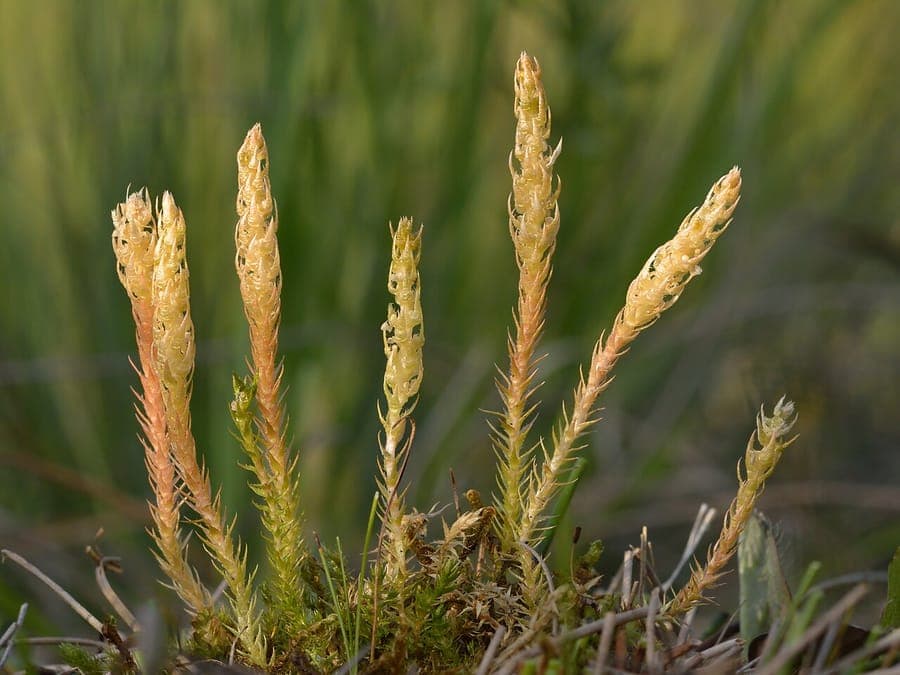
Ivar Leidus / CC BY-SA 4.0, via Wikimedia Commons
Clubmoss: complete guide
Selaginella selaginoides
¿Quieres ver Clubmoss: complete guide en tu jardín?
1 minuto, sin tarjeta de crédito
Overview
The Clubmoss (Selaginella selaginoides), also called northern spikemoss or mountain moss, is a unique moisture-loving primitive plant found throughout the northern hemisphere's mountain regions. This diminutive plant favors wet, rocky slopes and is a true gem for shaded gardens. Despite its delicate appearance, it demonstrates impressive resilience in cold environments.
Appearance and Bloom
The Clubmoss reaches only 5 to 15 centimeters in height, forming dense mats of fine, feathered foliage. The plant features an airy habit with deeply divided fronds that range from green to yellow-green. Rather than flowering, this plant reproduces via spores contained in tiny sporangia located on the undersides of fronds. These sporangia become visible from June through September, giving the plant its characteristic texture.
Ideal Location
Choose a location with full shade to partial shade for your Clubmoss. The plant cannot tolerate direct sunlight and requires consistently moist soil. An ideal site is the north side of a rock wall, beneath trees, or in a shaded garden corner. The plant excels in alpine gardens, rock gardens, and locations where other plants struggle with moisture conditions.
Soil
The Clubmoss has exacting soil requirements. The soil must be highly moisture-retentive, well-draining, and distinctly acidic. A mixture of garden mold, sand, and abundant leaf mold works excellently. pH should be maintained between 7.5 and 8 for optimal growth. Ensure adequate drainage to prevent waterlogging. Adding gravel or small stones around the plant's base aids water permeability.
Watering
Watering is critical for Clubmoss survival. The soil must remain continuously moist without forming puddles. Water regularly, especially during dry periods in spring and summer. During the growing season (May through September), check soil moisture at least twice weekly. Excessive wetness can, however, cause stem rot. Use rainwater or low-mineral water to maintain favorable pH.
Diseño gratis
¿Quieres ver Clubmoss: complete guide en tu jardín? Crea un diseño gratis ahora.
Pruning
The Clubmoss requires minimal pruning. Only remove dead or damaged fronds in spring. The plant grows slowly and maintains its natural form. Work carefully during interventions, as the plant's fragile structure does not tolerate rough handling. Regular removal of dead plant material keeps the plant healthy.
Maintenance Calendar
Spring (March-May): Begin monitoring moisture levels. Start regular watering as the ground begins to dry. Check for new shoots and remove old foliage.
Summer (June-August): Pay close attention to watering. Moisture levels must remain optimal. If necessary, switch to watering twice daily. Plants can dry out quickly despite moist soil types.
Autumn (September-November): Gradually reduce watering. Remove dead plant parts. Check that drainage functions properly before the rainy season.
Winter (December-February): Minimal watering. The plant is nearly dormant. Protect against frost damage. Check regularly for moisture - the plant must not dry out.
Winter Hardiness
The Clubmoss is extremely hardy and tolerates temperatures to -15 degrees Celsius or lower. This makes it ideal for cold mountain areas and European gardens. However, the plant does not thrive under very wet winter conditions without proper drainage. The most critical period is the winter-to-spring transition, when sudden warmth can stress the plant.
Companion Plants
The Clubmoss forms perfect combinations with other shade-loving plants:
- Christmas Fern (Polystichum setiferum) - another equally hardy fern
- Field Mint (Mentha arvensis) - thrives in similar moisture conditions
- Alpine Saxifrage (Saxifraga paniculata) - alpine plant for the same niche
- Maidenhair Fern (Adiantum) - shade-loving fern for moist sites
Closing
The Clubmoss is an original and charming addition to a shaded garden, especially if you have moist soils. On gardenworld.app, you will find photos of gardens where this plant is used in various contexts. This unique fern requires special attention but rewards the effort with its delicate beauty and meditative growth. Begin in spring cultivating this moisture-loving treasure. Discover on gardenworld.app how this little plant can shine in your own garden.
¿Quieres ver Clubmoss: complete guide en tu jardín? Crea un diseño gratis ahora.
Sube una foto, elige un estilo y obtén un diseño fotorrealista con lista de plantas en menos de un minuto.
Más de 10.000 jardines diseñados
Sin tarjeta de crédito


Plantas similares
Meadow Spikemoss: complete guide
Selaginella apoda
Everything about Selaginella apoda, meadow spikemoss: growing as ground cover, site requirements, moisture, pruning and winter hardiness.
Toothed-leaved clubmoss: complete guide to Selaginella denticulata
Selaginella denticulata
A full guide to growing Selaginella denticulata: location, soil, watering, care and use in shade gardens and terrariums.
Alpine Selaginella: complete guide
Selaginella helvetica
Discover how to cultivate this delicate shade-loving moss-like plant. Perfect for moist terrariums and woodland garden corners beneath dense canopy.