
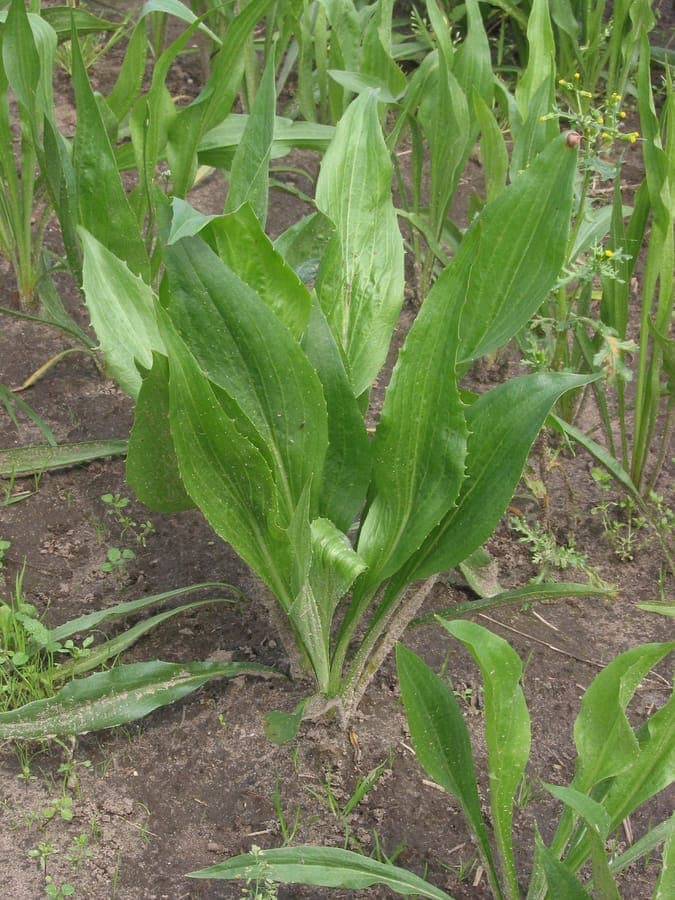
Rasbak / CC BY-SA 3.0, via Wikimedia Commons
Scorzonera hispanica: complete guide
Scorzonera hispanica
¿Quieres ver Scorzonera hispanica: complete guide en tu jardín?
1 minuto, sin tarjeta de crédito
Overview
Scorzonera hispanica, commonly known as scorzonera or black salsify, is a fascinating and nutritious root vegetable from the Mediterranean region. This plant belongs to the Asteraceae family (daisy family) and is traditionally grown for its long, slender roots with characteristic black or dark brown skin. With its unique flavor and nutritional value, it is a precious addition to vegetable gardens. The plant is hardy and can be grown in cool climates.
Appearance and bloom
Scorzonera hispanica forms rosette growth in the first year with long, narrow green leaves with a matte surface. The leaves can reach 30-40 cm in length. In the second year, the plant forms a flowering stem with yellow flowers (May-July). The root grows 20-30 cm long and is slender with characteristic black or dark brown skin. Beneath the skin, the flesh is white and creamy.
Ideal location
Scorzonera hispanica grows best in sunny to partially shaded locations. The plant tolerates full sun well, provided the soil remains adequately moist. In warm summers, partial afternoon shade is beneficial. Plant it in a location with good water and air quality. The plant is winter-hardy and can survive even in harsh winters.
Soil
Scorzonera prefers well-draining, nutrient-rich soil with sufficient depth for root development. Loamy or sandy soil is ideal. A pH of 6.0-7.5 is optimal. Incorporate adequate organic material for better structure and water-holding capacity. Avoid compacted soil that deforms roots. Adding compost helps.
Diseño gratis
¿Quieres ver Scorzonera hispanica: complete guide en tu jardín? Crea un diseño gratis ahora.
Watering
Regular watering is important, especially during the growing season. The plant must be kept consistently moist but not waterlogged. Water regularly during dry periods. Mulching around the plant helps improve water retention and keep the soil cool. Less frequent watering is needed during rainy periods.
Pruning
Foliage can be slightly cut back in summer if it takes up too much space, but this is not necessary. Most pruning occurs after harvest. Remove affected leaves. Allow the plant to grow until it naturally matures in the following year.
Maintenance calendar
Spring (Year 1): Sow seeds, water regularly. Summer: Weed control, watering. Autumn-Winter: Roots can be harvested. Spring (Year 2): Remaining roots continue growing and flowering.
Winter hardiness
Scorzonera hispanica is very winter-hardy (zones 5-9) and roots can overwinter in the ground. Mulch with leaves or straw for extra protection. Roots even become sweeter after frost periods. In very cold regions, roots can be dug up and stored in sand.
Companion plants
Scorzonera grows well alongside other vegetable plants in the kitchen garden. Not particularly competitive with others. Can be grown in rotation with other vegetables. Serves as a companion crop for certain insects. Suitable for organic gardens.
Closing
Scorzonera hispanica is a valuable addition to any vegetable garden. Its unique flavor and nutritional value make it a culinary delicacy. Once grown, it will return year after year. Seeds available from seed companies. Learn more at gardenworld.app/en.
¿Quieres ver Scorzonera hispanica: complete guide en tu jardín? Crea un diseño gratis ahora.
Sube una foto, elige un estilo y obtén un diseño fotorrealista con lista de plantas en menos de un minuto.
Más de 10.000 jardines diseñados
Sin tarjeta de crédito


Plantas similares
Calendula stellata: complete guide
Calendula stellata
Complete guide to Calendula stellata, the star-flowered marigold from Sicily: location, soil, watering and companion planting tips.
Korean chrysanthemum: complete guide
Chrysanthemum x rubellum
Chrysanthemum x rubellum is a hardy autumn perennial with single pink to copper flowers from August to November. Care and combinations.
Helianthus divaricatus: complete guide
Helianthus divaricatus
Helianthus divaricatus is a North American woodland sunflower with yellow summer blooms, ideal for naturalistic borders and shady edges.