
Rotational / Public domain, via Wikimedia Commons
Sclerocarya birrea: complete guide
Sclerocarya birrea
¿Quieres ver Sclerocarya birrea: complete guide en tu jardín?
1 minuto, sin tarjeta de crédito
Overview
Sclerocarya birrea, commonly known as marula, is a valuable fruit tree from West and East Africa. This tree is famous for its delicious, creamy fruits rich in vitamin C and fat. With its strong, asymmetrical crown and useful fruits, it is an essential element in African landscapes. The marula is highly valued for its versatile applications in nutrition and traditional medicine.
Appearance and bloom
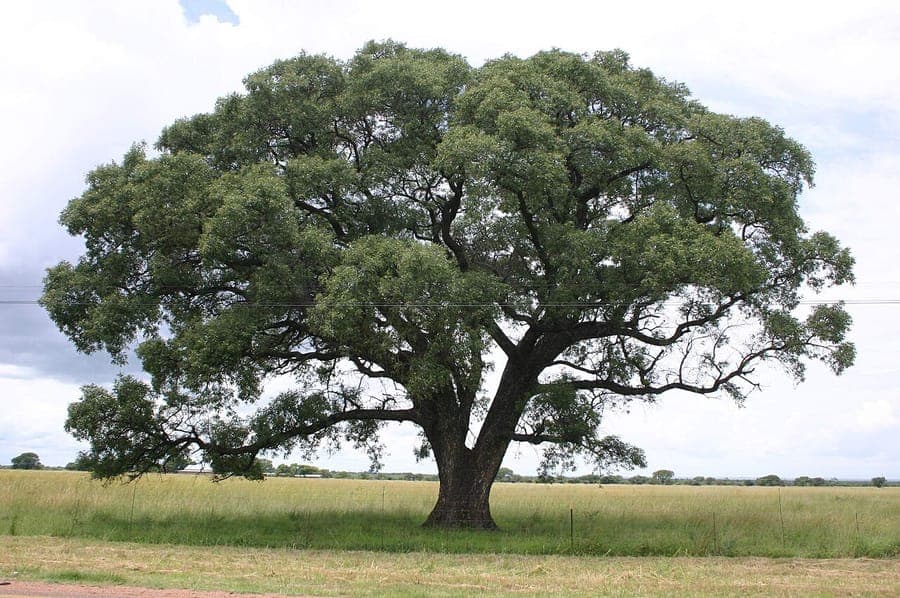
The marula grows into a medium to large tree reaching 8-18 meters in height with a broad, dense, asymmetrical crown. The trunk is gray and flaky. The leaves are compound with small, elliptical leaflets creating a fine texture. In spring, yellow flowers appear in clusters, followed by yellow-orange spherical fruits the size of plums. The fruits have yellow flesh with a large pit inside. The fruit aroma is characteristically fruity and pleasant.
Ideal location
This tree thrives best in full sun with plenty of space to grow. It is fairly tolerant of various locations and can grow in both warm and temperate climates. Protect young trees from strong winds. In Europe, it can grow in warm, sheltered gardens or in pots on sunny terraces. The tree requires plenty of light to bloom and fruit well.
Soil
Sclerocarya birrea is very flexible with soil requirements and grows in sandy, loamy, and clay soils. The tree prefers well-draining soils with moderate organic matter. A pH between 5.5 and 8.0 is acceptable. The tree can tolerate dry, poor soils and is not very demanding. Ensure drainage during rainy periods. Add compost at planting time.
Diseño gratis
¿Quieres ver Sclerocarya birrea: complete guide en tu jardín? Crea un diseño gratis ahora.
Watering
Once established, the marula is fairly drought-tolerant and requires minimal supplemental water. Young trees must be watered regularly until they establish a strong root system. In very dry seasons, watering helps with fruiting. In tropical and subtropical regions, natural rainfall usually suffices. Avoid waterlogging.
Pruning
Minimal pruning is needed. The tree grows naturally into a beautiful shape. Remove only dead, diseased, or damaged branches. For young trees, some shaping may be applied. Allow the tree to retain its natural form. Excessive pruning can reduce fruit yield.
Maintenance calendar
Spring: Inspect for diseases, apply fertilizer. Summer: Water regularly during dry spells. Autumn: Harvest fruits. Winter: Minimal activity in cold regions.
Winter hardiness
Sclerocarya birrea is frost-sensitive and thrives in warm to temperate climates (zones 10-12). In cooler regions, it can be grown as a greenhouse plant. Protect against temperatures below 5°C. Mulch the root zone for winter protection.
Companion plants
Plant this tree with other African species. Undergrowth can consist of shade-loving shrubs and groundcovers. Avoid strong root competition from other large trees. The tree suits polyculture and can grow alongside various crops.
Closing
Sclerocarya birrea is a fascinating and valuable tree that adds nutrition and beauty to the garden. With its exotic fruits and minimal maintenance needs, it is an excellent choice for warm regions. Fruit harvesting provides pleasant nutrition. Learn more at gardenworld.app/en.
¿Quieres ver Sclerocarya birrea: complete guide en tu jardín? Crea un diseño gratis ahora.
Sube una foto, elige un estilo y obtén un diseño fotorrealista con lista de plantas en menos de un minuto.
Más de 10.000 jardines diseñados
Sin tarjeta de crédito


Plantas similares
Skunkbush sumac: complete guide
Rhus trilobata
Everything about Rhus trilobata: siting, soil, autumn colour, pruning, and how this tough ornamental shrub earns a place in any garden.
Winged sumac: complete guide
Rhus copallinum
Everything about Rhus copallinum, the winged sumac with spectacular autumn colour. Location, pruning and garden value in full detail.
Aromatic sumac: complete guide
Rhus aromatica
Full guide to aromatic sumac (Rhus aromatica): planting, soil, care, pruning and companion plants for dry, sunny gardens and slope stabilisation.