
Christian Fischer / CC BY-SA 3.0, via Wikimedia Commons
Great bulrush: complete guide
Schoenoplectus tabernaemontani
¿Quieres ver Great bulrush: complete guide en tu jardín?
1 minuto, sin tarjeta de crédito
Great Bulrush: Complete Guide
Overview
The Great Bulrush (Schoenoplectus tabernaemontani) is a versatile aquatic plant from the Cyperaceae family. This plant is known for its broad geographic distribution and ability to adapt to diverse water environments. The Great Bulrush grows in shallow waters, marshes, and along shorelines in both freshwater and brackish waters.
This graminoid specimen is particularly suitable for water garden settings and plays an important ecological role in aquatic habitats. The plant is highly robust and can excel at competing with other water vegetation.
Appearance & Bloom
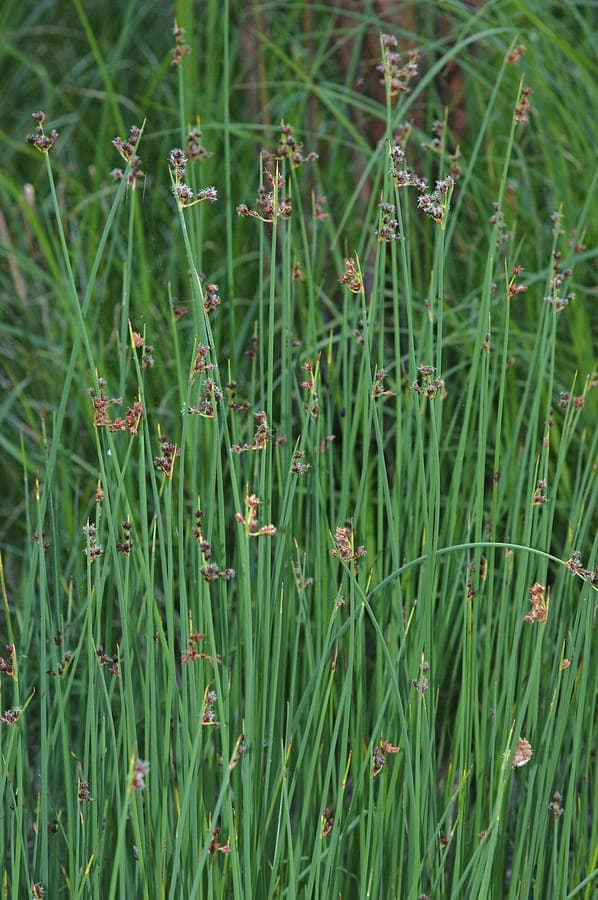
The Great Bulrush displays a graminoid growth pattern very similar to other Schoenoplectus species. The plant grows in dense, upright clumps with glaucous (gray-green) stems. This characteristic color distinguishes it from related species.
The stems can grow up to 1-2 meters tall and create architecturally interesting shapes. The flowers appear as brown spikelets at the top of the stems, usually in summer. These flowers are inconspicuous but offer subtle natural beauty.
The plant forms thick, complex root systems that quickly establish in sediments, contributing to water stabilization and shoreline reinforcement.
Ideal Location
The Great Bulrush thrives in shallow waters and marshes with normal pH levels. The plant feels at home in both static and flowing water systems. Shallow waters with depths of 10-50 cm are ideal, though the plant can also grow in shallower environments.
Sunny to partially shaded locations are suitable. Ensure at least 4-6 hours of daylight. The plant tolerates both freshwater and slightly brackish water, making it particularly versatile for different aquatic environments.
The plant is tolerant of water with variable quality and can even grow in polluted water, though cleaner water is preferred.
Soil Requirements
The Great Bulrush thrives in wet, organically rich soils and accepts marshy grounds. The plant prefers soils with good organic material for optimal growth. The pH range of 6.5-7.5 is ideal, though the plant can also survive in more extreme pH levels.
When planting in artificial water environments, potting soil with organic matter can be used. The plant will quickly establish in water sediments.
The plant also accepts soils with lower nutrient levels, though more nutrient-rich soils promote better growth.
Diseño gratis
¿Quieres ver Great bulrush: complete guide en tu jardín? Crea un diseño gratis ahora.
Watering
Due to the aquatic nature of the plant, traditional watering does not apply. The plant grows permanently in water. Ensure regular water quality checks and renewal.
The plant can benefit from water fertilizer supplements in closed water systems. The plant absorbs nutrients from the water and aids water purification.
Pruning
Pruning is usually not necessary, though dead vegetation can be removed. In case of excessive growth, it may be necessary to thin out the plant.
The plant can be pruned in autumn to remove old stems. This promotes healthier growth in the next season.
Maintenance Calendar
The maintenance calendar for Great Bulrush:
- Spring: Check water quality, remove dead material
- Summer: Monitor plant growth, add fertilizer
- Fall: Prune, monitor water quality
- Winter: Minimal maintenance, prevent ice formation
Winter Hardiness
The Great Bulrush is very winter-hardy and can tolerate extreme frosts. The plant retreats into the roots when water freezes. In spring, the plant regrows from underground rhizomes.
The plant is robust enough for very cold climates, including areas with long ice winters.
Companion Plants
The Great Bulrush grows well with:
- Water lilies for visual variety
- Other aquatic grasses for uniformity
- Water birds as natural companions
- Submerged plants for complete aquatic ecosystem
Closing
The Great Bulrush is an excellent choice for water gardeners seeking a robust, low-maintenance aquatic plant. Its versatility, winter hardiness, and ecological value make it an ideal choice.
This plant significantly improves water habitats and contributes to sustainable aquatic environments. With minimal maintenance requirements, this crop can provide value for years to come. Visit gardenworld.app for more inspiration about water garden design. Also discover gardenworld.app/en for local water gardening questions.
¿Quieres ver Great bulrush: complete guide en tu jardín? Crea un diseño gratis ahora.
Sube una foto, elige un estilo y obtén un diseño fotorrealista con lista de plantas en menos de un minuto.
Más de 10.000 jardines diseñados
Sin tarjeta de crédito


Plantas similares
Flat-stemmed club-rush: complete guide
Bolboschoenus planiculmis
Everything about Bolboschoenus planiculmis: growing conditions, watering, care, and use as a pond margin or wetland plant in garden design.
Great Plains flatsedge: complete guide
Cyperus lupulinus
Everything about Great Plains flatsedge (Cyperus lupulinus): growing conditions, care, garden uses, and ecological value. Tips for pond margins and dry sandy soils.
Golden beak sedge: complete guide
Rhynchospora corymbosa
Everything about golden beak sedge (Rhynchospora corymbosa): a dramatic tropical marginal for pond edges, bog gardens, and wet habitats.