
Wikimedia Commons / CC BY-SA 3.0, via Wikimedia Commons
Triangular-valved dock: complete guide
Rumex triangulivalvis
¿Quieres ver Triangular-valved dock: complete guide en tu jardín?
1 minuto, sin tarjeta de crédito
Rumex triangulivalvis, known as Mexican Dock, White Dock, Triangular-valved Dock, Willow-leaved Dock, or simply Willow Dock, is a North American plant with widespread distribution from Canada to Mexico. This plant has been introduced to Europe where it occasionally naturalizes. Learn everything about growing this easy plant.
Overview and Heritage
Rumex triangulivalvis is named for its characteristic triangular seed vessels ('valves'). The plant is native to North America and now naturally occurs in many parts of Europe where it has been introduced. This is an opportunistic plant that disperses seed readily.
Appearance
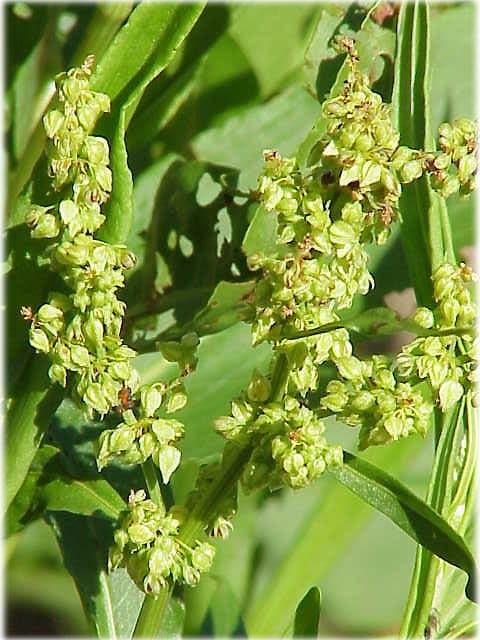
This is a low to medium plant, usually 30-60cm tall, with willow-like narrow foliage. Leaves are slender, linear to lanceolate, often blue-tinged. Flowers are small and inconspicuous, greenish to reddish-brown colored. The very characteristic seed heads are triangular, with three prominent 'wings' or 'valves', offering great decorative value.
Ideal Location
Rumex triangulivalvis grows in full sun to half-shade. Minimum four hours daily sun is ideal. The plant tolerates various light conditions well. Give the plant space as it self-seeds readily. Plant in dry to moderately moist locations.
Soil and Nutrition
This plant is very tolerant and grows on nearly all soil types, from acidic to neutral to alkaline (anything works). The plant thrives even in poor soil. Well-drained soil is better than wet soil. Feeding usually unnecessary. The plant is very adaptable and grows in wild and cultivated settings.
Watering
Once established this plant is drought-tolerant. Water regularly the first growing season. Thereafter water only in extreme drought. The plant can endure dry periods. Excessive water is not needed and can cause problems.
Pruning and Maintenance
Minimal maintenance. Seed heads can remain in autumn for decoration or be removed to prevent seed drop. Remove yellowed or damaged leaves. The plant needs virtually no pruning.
Maintenance Calendar
Spring (April-May): Check plant health, remove last year's dead leaf. Summer (June-September): Little maintenance, water during dry periods. Fall (October-November): Leave seed heads decorative or harvest. Winter (December-March): Quiet period, no maintenance.
Winter Hardiness
Rumex triangulivalvis is hardy in temperate climates. The plant overwinters as a perennial. In very harsh winters the plant may suffer but will usually return. In mild winters it can remain evergreen.
Propagation
The plant readily propagates via seeds. Collect seed in autumn, dry and store. Sow on standard seed compost in spring or fall. Seeds germinate quickly and easily. Cuttings may not work.
Design Applications
As cut seed heads: The triangular seed heads are beautiful in arrangements. In wild gardens: Fits perfectly in natural styles. As specimen plant: Where you want seed distribution. For bird food: Seeds attract birds.
Companion Plants
Pair with other easy-growing plants like spurge, salvia, and geranium. In dry gardens: Works well with other drought-tolerant plants. Create fine texture contrasts with coarser plants like artemisia.
Spreading and Self-Seeding
This plant self-seeds readily. This can become invasive in some areas. To prevent seed drop, harvest seed heads just before ripening. Leave some plants to disperse seed if you want them to regenerate.
Conclusion
Rumex triangulivalvis is easy-growing plant with attractive seed heads. Perfect for gardeners wanting low maintenance. Available from seed suppliers. Design your garden with gardenworld.app and include this interesting plant. More plant guides at gardenworld.app.
¿Quieres ver Triangular-valved dock: complete guide en tu jardín? Crea un diseño gratis ahora.
Sube una foto, elige un estilo y obtén un diseño fotorrealista con lista de plantas en menos de un minuto.
Más de 10.000 jardines diseñados
Sin tarjeta de crédito


Plantas similares
Crosby's wild buckwheat: complete guide
Eriogonum crosbyae
Full guide to growing Eriogonum crosbyae: ideal site, soil, watering, winter hardiness and companion plants for this rare western wild buckwheat.
Spreading buckwheat: complete guide
Eriogonum effusum
Full guide to growing Eriogonum effusum: ideal site, soil, watering, winter hardiness and companion plants for this prairie subshrub from the American West.
Tall woolly buckwheat: complete guide
Eriogonum elatum
Full guide to Eriogonum elatum: siting, soil, watering, pruning and companion plants for this elegant white-flowered buckwheat from the western United States.