
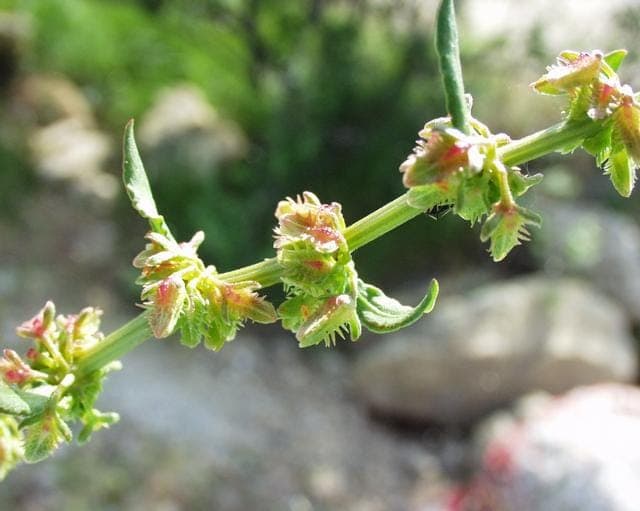
Henry Brisse (upload by user:Abalg) / CC BY-SA 3.0, via Wikimedia Commons
Fiddle dock: complete guide
Rumex pulcher
¿Quieres ver Fiddle dock: complete guide en tu jardín?
1 minuto, sin tarjeta de crédito
Overview
Fiddle dock (Rumex pulcher), also called beautiful sorrel or violin sorrel, is an attractive ornamental plant from the Polygonaceae family. This Mediterranean species grows naturally in dry, hilly terrain from Europe to Iran. Its characteristic leaf shapes and elegant growth pattern make it a fascinating addition to Mediterranean-inspired gardens.
Appearance and Bloom
Fiddle dock is distinguished by its unique leaf morphology with undersized, violin-shaped forms. The leaves have distinctive basal segments that have inspired its common names. These structural features give the plant a highly recognizable and decorative appeal. The plant produces green flowers in slender clusters that rise above the foliage during spring and summer.
Ideal Location
Fiddle dock thrives in fully sunny locations, receiving at least 6-8 hours of direct sunlight. The plant is remarkably tolerant of dry conditions and adapts well to marginal terrain. It grows well on dry slopes, in rocky gardens, and in arid, full-sun areas. This makes it ideal for xeriscaping and water-conserving garden designs.
Soil
Fiddle dock prefers well-draining soil, even poor, rocky ground. The plant tolerates pH from 7.0 to 7.5 and grows well in alkaline soil. This is essential for success - waterlogging or rich, soggy soil will weaken the plant. Improve the soil with gravel or sand if growing in heavy clay.
Diseño gratis
¿Quieres ver Fiddle dock: complete guide en tu jardín? Crea un diseño gratis ahora.
Watering
Once established, fiddle dock requires minimal water. Be cautious about overwatering, especially during rainy periods. Ensure the soil dries between waterings. In very dry climates, some weekly water may be needed, but overall this plant is highly drought-tolerant.
Pruning
Fiddle dock requires minimal pruning. Remove dead leaves and spent flowers after the growing season. The plant accepts light shaping in early spring to maintain its form. Heavy pruning is unnecessary and can cause damage.
Maintenance Calendar
Spring: Check for overwintering damage and remove dead stems. Summer: Monitor for disease in exceptionally wet years. Autumn: No special maintenance needed. Winter: Protect in very cold climates; the plant is partially hardy.
Winter Hardiness
Fiddle dock is hardy to approximately USDA zone 5-6, especially in well-draining soil. The plant tolerates light frost well but may be damaged by severe freezing. In very cold climates, protection with dry mulch or cloches may be helpful.
Companion Plants
Fiddle dock works excellently in Mediterranean plant combinations. Suitable companions include: lavender, oregano, thyme, roses, and other drought-tolerant species. These combinations create authentic Mediterranean garden displays.
Final Thoughts
Fiddle dock offers a unique combination of beauty and climate resilience. Available from specialized nurseries throughout Europe, this plant makes a standard choice for modern dry-zone gardens. Learn more at gardenworld.app/nl and gardenworld.app/en.
¿Quieres ver Fiddle dock: complete guide en tu jardín? Crea un diseño gratis ahora.
Sube una foto, elige un estilo y obtén un diseño fotorrealista con lista de plantas en menos de un minuto.
Más de 10.000 jardines diseñados
Sin tarjeta de crédito


Plantas similares
Crosby's wild buckwheat: complete guide
Eriogonum crosbyae
Full guide to growing Eriogonum crosbyae: ideal site, soil, watering, winter hardiness and companion plants for this rare western wild buckwheat.
Spreading buckwheat: complete guide
Eriogonum effusum
Full guide to growing Eriogonum effusum: ideal site, soil, watering, winter hardiness and companion plants for this prairie subshrub from the American West.
Tall woolly buckwheat: complete guide
Eriogonum elatum
Full guide to Eriogonum elatum: siting, soil, watering, pruning and companion plants for this elegant white-flowered buckwheat from the western United States.