
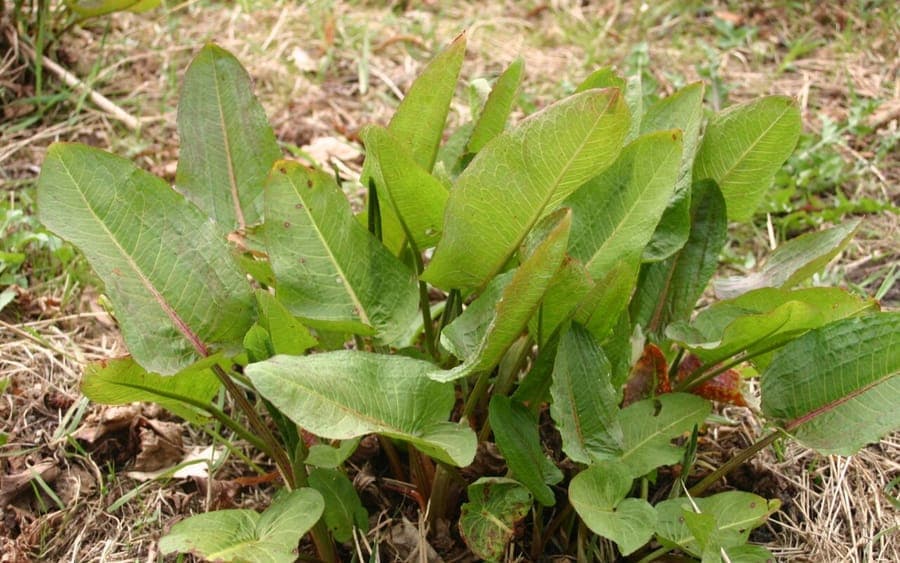
Sten Porse / CC BY-SA 3.0, via Wikimedia Commons
Bitter dock: complete guide
Rumex obtusifolius
¿Quieres ver Bitter dock: complete guide en tu jardín?
1 minuto, sin tarjeta de crédito
Rumex obtusifolius, commonly known as bitter dock, is a widespread plant from the Polygonaceae family. This robust perennial is found across Europe to Central Siberia and North Africa. As an experienced gardener, you will likely encounter this plant, especially in moist locations. Understanding bitter dock's characteristics is important, as it can spread rapidly and outcompete other plants.
Bitter dock is a true survivor that adapts to almost any environment. The plant thrives in places with sufficient moisture and less competition from other vigorous growers. In this article, we examine the plant's morphology, ideal growing conditions, and the best ways to cultivate or manage it in your garden.
Overview
Bitter dock is a biological fixture in many gardens, though many gardeners consider it a weed. The plant naturally spreads via seeds and can establish itself rapidly under favorable conditions. It typically reaches heights of 30 to 60 centimeters, though some specimens grow considerably larger. Rumex obtusifolius is a biennial plant that grows vegetatively in its first year and flowers and produces seeds in the second year.
Appearance and bloom
The leaves of bitter dock are characteristic and easily recognizable. They are long, lance-shaped, and may display reddish-brown veins. The leaf margins are often wavy or undulate. A mature leaf can measure 10 to 25 centimeters long and has a distinct central vein. The leaf stems are long and greenish to reddish.
Flowers appear from June to August in impressive, upright inflorescences. The flowers are small, greenish to reddish structures arranged in panicles. Each flower produces three winged structures from which the fruits develop. These wings have characteristic features that aid seed dispersal by wind and water.
Ideal location
Bitter dock grows best in moist locations with moderately fertile soil. The plant tolerates acidic soils well and also grows on calcareous soils. It prefers meadows, marshy areas, and ditches. In the garden, bitter dock thrives in moist locations, such as near pond margins or in the shade of larger trees.
If you plan to deliberately cultivate bitter dock in your garden (for example, as a medicinal plant), choose a moist location with at least half-shade to full sun. The plant performs better with regular water availability.
Soil
Bitter dock is undemanding regarding soil type. It grows on both acidic and neutral to slightly acidic soils. The plant tolerates wet soils well and dislikes very dry ground. Rich, organic soils with abundant humus are ideal. If you wish to cultivate bitter dock, work compost or aged manure into the soil before sowing.
Watering
Bitter dock requires regular water, especially during dry periods. In natural settings, the plant grows in moist habitats. In the garden, we recommend regular watering, particularly during the growth phase. Stagnant water should be avoided, although the plant loves moisture.
Pruning
Pruning is not necessary for bitter dock if you let it grow as a wild plant. However, if you want to prevent uncontrolled spread, remove the flowers before seeds ripen. Cut the inflorescences in August before the fruits form. This prevents seed dispersal throughout your garden.
Maintenance calendar
March: Bitter dock begins its spring growth. If you want to sow seeds, do so now. May-June: Flowering appears. Monitor the plant for unwanted self-seeding. July-August: Bloom and fruit development peak. Remove inflorescences as needed. Autumn: The plant dies back after seed set. You can harvest seeds if desired. Winter: The plant rests, though seeds in the soil can overwinter.
Winter hardiness
Bitter dock is a cold-hardy plant that survives winters in open ground. In northern climates, it will grow from seed annually or remain as a perennial. The plant requires no special winter protection.
Companion plants
Bitter dock naturally grows alongside other moisture-loving plants such as brambles, hazels, and various grasses. In the garden, you can combine bitter dock with other herbs and flowering wild plants. Since it grows fairly aggressively, choose other vigorous growers as neighbors.
Closing
Bitter dock is a fascinating plant with both decorative and practical uses. Whether you want to grow it as a medicinal herb or as part of your wild garden section, this plant will certainly thrive. With the right location and basic care, bitter dock grows without problems. Many gardeners have had good experiences controlling and cultivating bitter dock. Visit gardenworld.app/en for more plant advice and design inspiration. Enjoy growing this interesting species in your garden and discover more on gardenworld.app/en!
¿Quieres ver Bitter dock: complete guide en tu jardín? Crea un diseño gratis ahora.
Sube una foto, elige un estilo y obtén un diseño fotorrealista con lista de plantas en menos de un minuto.
Más de 10.000 jardines diseñados
Sin tarjeta de crédito


Plantas similares
Crosby's wild buckwheat: complete guide
Eriogonum crosbyae
Full guide to growing Eriogonum crosbyae: ideal site, soil, watering, winter hardiness and companion plants for this rare western wild buckwheat.
Spreading buckwheat: complete guide
Eriogonum effusum
Full guide to growing Eriogonum effusum: ideal site, soil, watering, winter hardiness and companion plants for this prairie subshrub from the American West.
Tall woolly buckwheat: complete guide
Eriogonum elatum
Full guide to Eriogonum elatum: siting, soil, watering, pruning and companion plants for this elegant white-flowered buckwheat from the western United States.