
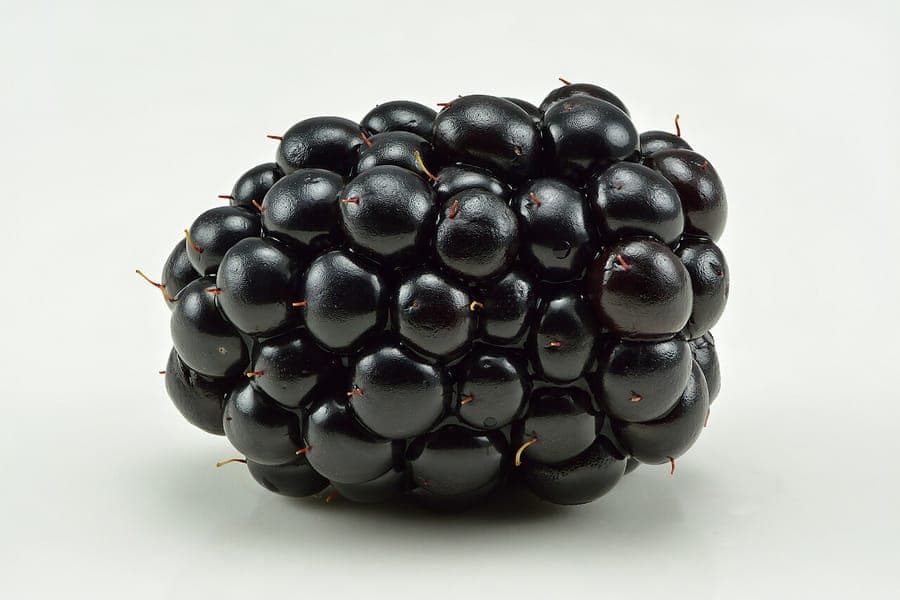
Ivar Leidus / CC BY-SA 4.0, via Wikimedia Commons
Common bramble: complete guide
Rubus fruticosus
¿Quieres ver Common bramble: complete guide en tu jardín?
1 minuto, sin tarjeta de crédito
Overview
The common bramble (Rubus fruticosus) is a vigorous, productive shrub cultivated throughout Europe for centuries. This versatile crop produces rich black berries packed with vitamins and antioxidants. Bramble grows wild in hedgerows and is successfully cultivated in gardens for both nutrition and landscape value.
Appearance and bloom
The common bramble is a shrub reaching 2 meters with strong, somewhat prickly branches. Leaves are dark green, 3-5 leaflets, with a rough surface. Spring brings white to pink flowers in clusters, emitting a pleasant fragrance. Blooming occurs May-June, followed by green stonefruits turning black at maturity in July-September.
Ideal location
Bramble thrives in full sun (minimum 6 hours daily), though partial shade is tolerated. Provide wind protection against strong winds damaging branches. Choose sites with good air circulation to prevent fungal diseases. The plant is extremely hardy, growing in nearly every region of the Netherlands, Belgium and beyond.
Soil
Common bramble is undemanding and grows in diverse soil types. Ideal is well-draining soil with pH 6.0-7.0, but accepts slightly acid soils (down to pH 5.5). Add 2-3 cm compost or rotted manure at planting. Improve heavy clay soils with sawdust or coco-fiber additions. Excellent drainage prevents root rot.
Watering
Water young plants regularly (2-3 times weekly) the first two growing seasons. Once established, brambles tolerate dry periods thanks to deep roots. Water deeply once weekly during bloom and fruiting. Avoid wet feet in winter. Mulching with 5 cm organic material aids moisture retention and suppresses weeds.
Diseño gratis
¿Quieres ver Common bramble: complete guide en tu jardín? Crea un diseño gratis ahora.
Pruning
Brambles require regular pruning for healthy growth and optimal harvest. Remove dead, damaged and diseased canes each spring. Thin overlapping growth for better air circulation. Cut back one-year-old canes after fruiting to 30 cm encouraging new shoots. Use gloves and pruners due to sharp thorns. Prune after harvest (September) or February-March.
Maintenance calendar
FEBRUARY: Winter pruning, fertilizer application. APRIL: Support new growth with stakes. MAY-JUNE: Bloom, regular watering. JULY-SEPTEMBER: Harvest, remove dead canes. OCTOBER: Refresh mulch. NOVEMBER-JANUARY: Winter dormancy, minimal care needed.
Winter hardiness
Common bramble is extremely hardy, tolerating temperatures to -25 degrees Celsius. Throughout northern Europe it thrives unprotected outdoors. Protection unnecessary, though young stock may benefit from burlap wrapping in extreme winters. Snow on branches rarely causes permanent damage.
Companion plants
Bramble grows optimally beside other berry bushes like raspberries, black currants and elderberries. Plant wildflowers beneath such as rosebay willowherb, betony and self-heal for added biodiversity. Avoid planting directly beside apple or pear trees due to nutrient competition.
Closing
Common bramble deserves a place in every fruit garden. With minimal care, this vigorous crop yields abundant harvests of delicious berries for years. Begin cultivating today via quality nurseries offering excellent plant material. For expert personalized guidance: visit gardenworld.app/en for designs and gardenworld.app/en for support.
¿Quieres ver Common bramble: complete guide en tu jardín? Crea un diseño gratis ahora.
Sube una foto, elige un estilo y obtén un diseño fotorrealista con lista de plantas en menos de un minuto.
Más de 10.000 jardines diseñados
Sin tarjeta de crédito


Plantas similares
Siberian crab apple: complete guide
Malus x robusta
Complete guide to the Siberian crab apple (Malus x robusta): location, soil, pruning, winter hardiness and the best companion plants for your garden.
Chinese flowering crabapple (Malus x spectabilis): complete guide
Malus x spectabilis
Meet the Chinese flowering crabapple (Malus x spectabilis): a classic spring bloomer with carmine buds and pink blossom.
Potentilla crassinervia: complete guide
Potentilla crassinervia
Potentilla crassinervia, the Corsican cinquefoil, grows wild on Corsica and Sardinia's peaks. Discover how to grow this hardy alpine rock garden gem.