
Sakurai Midori / CC BY-SA 3.0, via Wikimedia Commons
Rosa chinensis: complete guide
Rosa chinensis
¿Quieres ver Rosa chinensis: complete guide en tu jardín?
1 minuto, sin tarjeta de crédito
Overview
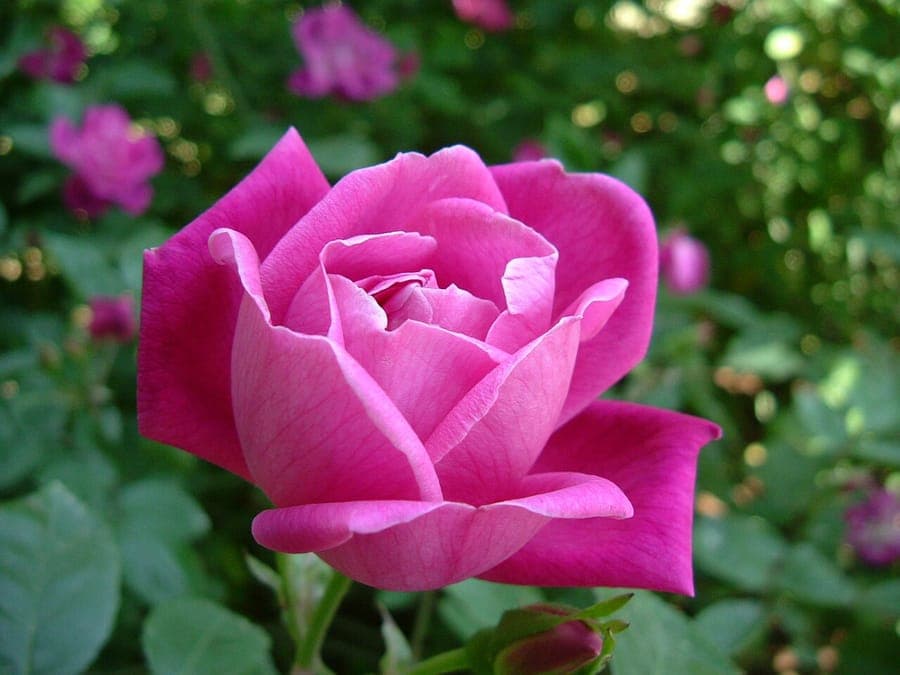
Rosa chinensis, commonly known as China rose or Bengal rose, is an elegant rose species with a rich horticultural history. This ornamental shrub originates from central China and has been a beloved garden plant in Europe since the 18th century. The plant distinguishes itself through attractive blooms and compact growth habit, making it ideal for borders and containers.
Appearance and bloom
China rose grows as a compact shrub reaching 60 to 150 centimeters in height. The plant produces numerous small to medium flowers in a range of colors - from deep red and pink to yellow and white. Flowers appear repeatedly throughout the growing season, making the plant particularly valuable for extended blooming periods. The leaves are small, glossy, and dark green, providing beautiful contrast with the flowers.
Ideal location
This rose thrives best in sunny locations with at least six hours of direct sunlight daily. Place the plant where there is good air circulation to prevent fungal diseases. The plant tolerates partial shade reasonably well, although flowering is better in full sun. Shield it from strong winds that can damage softer canes.
Soil
China rose prefers rich, well-draining soil with a pH between 6.0 and 6.5. Work organic matter and well-rotted compost into the ground before planting. A mixture of garden soil, peat moss, and perlite ensures optimal drainage. The plant tolerates nutrient-rich soils well but requires good drainage to prevent root rot.
Watering
Water the plant regularly with at least 2.5 centimeters of water weekly during the growing season. More water may be needed in dry periods. Water early morning at the plant base to minimize leaf diseases. Avoid wetting foliage. In winter, reduce watering. Well-draining potting soil is essential for container-grown plants.
Diseño gratis
¿Quieres ver Rosa chinensis: complete guide en tu jardín? Crea un diseño gratis ahora.
Pruning
Pruning promotes bushier growth and more flowers. In spring, after last frost, prune back to approximately 30 centimeters height. Remove dead, damaged, or crossing wood throughout the season. After blooming, spent flowers can be removed to encourage new blooms. Annual heavy pruning in early spring effectively rejuvenates old plants.
Maintenance calendar
March to May: Prune, fertilize, intensify watering. June to September: Regular deadheading, pest and disease management. October to November: Gradually reduce watering, prepare for autumn pruning. December to February: Winter dormancy, minimal care, very little water.
Winter hardiness
China rose is sensitive to severe frost. In regions with harsh winters (below minus 10 degrees Celsius), protection is necessary. Mulch around the base with 10 to 15 centimeters of organic material. Container plants need frost protection. In milder climates (USDA zones 8-11), the plant can overwinter outdoors.
Companion plants
Combine China rose with complementary plants for harmonious garden design. Lavender and sage form attractive underplanting. Clematis can grow against a rose shrub for additional flowers. Ground covers like Alchemilla mollis prevent weeds and add texture.
Conclusion
Rosa chinensis is a valuable addition to any garden focused on flowering shrubs. With proper care, this elegant rose provides years of beautiful blooms. For more garden tips and plant recommendations, visit gardenworld.app. Find inspiration for your garden design with our interactive tools at gardenworld.app.
¿Quieres ver Rosa chinensis: complete guide en tu jardín? Crea un diseño gratis ahora.
Sube una foto, elige un estilo y obtén un diseño fotorrealista con lista de plantas en menos de un minuto.
Más de 10.000 jardines diseñados
Sin tarjeta de crédito


Plantas similares
Siberian crab apple: complete guide
Malus x robusta
Complete guide to the Siberian crab apple (Malus x robusta): location, soil, pruning, winter hardiness and the best companion plants for your garden.
Chinese flowering crabapple (Malus x spectabilis): complete guide
Malus x spectabilis
Meet the Chinese flowering crabapple (Malus x spectabilis): a classic spring bloomer with carmine buds and pink blossom.
Potentilla crassinervia: complete guide
Potentilla crassinervia
Potentilla crassinervia, the Corsican cinquefoil, grows wild on Corsica and Sardinia's peaks. Discover how to grow this hardy alpine rock garden gem.