
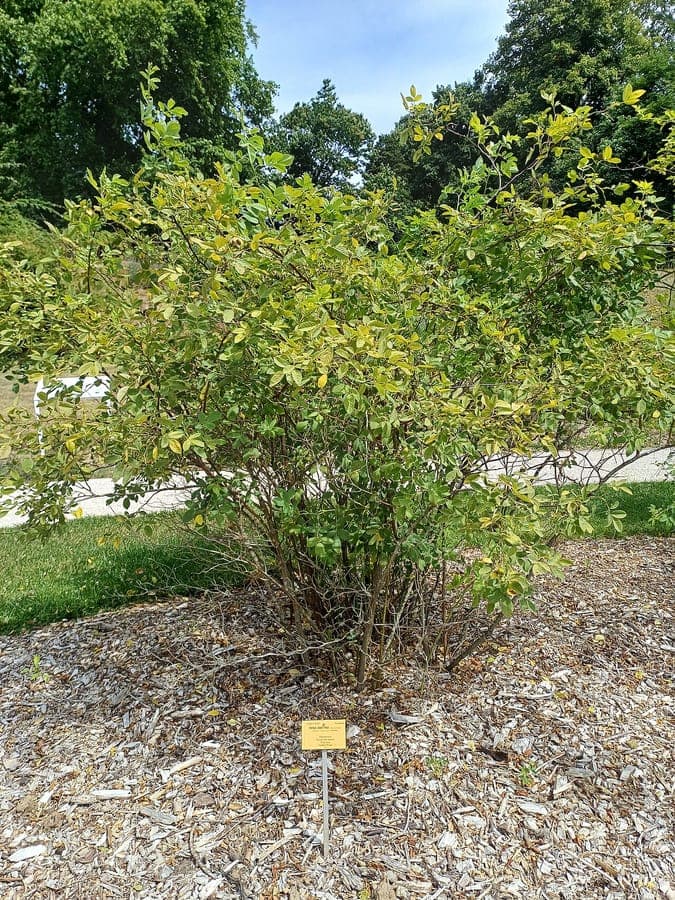
Olivier vandevelde / CC BY-SA 4.0, via Wikimedia Commons
Rosa abietina: complete guide to the Alpine needle rose
Rosa abietina
¿Quieres ver Rosa abietina: complete guide to the Alpine needle rose en tu jardín?
1 minuto, sin tarjeta de crédito
Overview
Rosa abietina, commonly called the Alpine needle rose or pine rose, is an elegant wild rose species native to European mountain regions. This hardy shrub naturally inhabits the Alps of Switzerland, Austria, Italy, and France. With its fine, needle-like foliage and delicate pink flowers, this rose brings rustic charm to any garden setting.
The plant's name derives from its distinctive needle-like leaves that resemble fir tree foliage. This unique character gives the rose an airy, open appearance perfect for Alpine gardens and contemporary landscape designs.
Appearance and bloom
Rosa abietina develops into a compact shrub reaching approximately 1 to 1.5 meters in height. The plant produces abundant small flowers ranging from pale pink to purple tones, primarily flowering during June, July, and August. The blooms are semi-double with a subtle fragrance that can be surprisingly fruity.
Following bloom, small reddish-brown seed pods develop, providing bird food that remains attractive through winter. The fine, light green foliage gives the plant an ethereal quality that distinguishes it from other garden roses.
Ideal location
Rosa abietina thrives in full sun locations receiving at least eight hours of direct sunlight daily. This promotes abundant flowering and ensures robust growth. The plant is extremely cold-hardy and survives harsh Alpine climates without protection.
Provide shelter from intense afternoon sun in very hot climates, though this rarely poses problems. An open location with good air circulation prevents fungal diseases common to roses.
Soil
Unlike many roses, Rosa abietina adapts well to moderately fertile soil. The plant accommodates chalky conditions with pH readings between 7 and 7.5. Add compost during planting but prevent waterlogging at all costs.
Even on poor Alpine soils this rose thrives, demonstrating its wild origin and hardiness. Ensure excellent drainage; this rose cannot tolerate wet feet or prolonged moisture.
Diseño gratis
¿Quieres ver Rosa abietina: complete guide to the Alpine needle rose en tu jardín? Crea un diseño gratis ahora.
Watering
Once established, Rosa abietina is quite drought-tolerant. Water thoroughly during the first growing season until roots anchor properly. Afterwards, rainfall usually suffices in most regions.
Water during extended dry periods, particularly for young plants. Mature specimens access water from deep soil layers and develop remarkable self-sufficiency. Avoid overhead watering to prevent leaf diseases.
Pruning
Rosa abietina requires minimal pruning attention. Remove dead or damaged growth in early spring (March/April). Light shape pruning after July flowering maintains compact form.
Allow this natural shrub to retain its wild character. Avoid heavy pruning as it reduces flowering. A gentle hand produces best results.
Maintenance calendar
March: Preparation, removal of dead wood June-August: Flowering period, monitor for pests September-October: Fall cleanup November-February: Winter dormancy, no maintenance needed March: Optional light feeding
Winter hardiness
Rosa abietina is exceptionally cold-hardy, tolerating temperatures to -15 degrees Celsius without damage. This makes it suitable for all Dutch gardens and exposed mountain locations.
No winter protection needed, even when young. This is truly a reliable plant for those seeking dependability.
Companion plants
Rosa abietina combines beautifully with other Alpine plants:
- Sedum species (stonecrop)
- Lavender (Lavandula)
- Silvery foliage plants (Senecio)
- Dwarf ornamental grasses such as Festuca
- Geranium varieties
Closing
Rosa abietina brings authentic mountain magic to gardens. With fine structure, prolific flowers, and extreme hardiness, this rose delivers year-round interest without complaint. Perfect for sunny mountain locations or contemporary garden compositions.
Available at major garden retailers throughout the UK and Europe.
Discover more garden inspiration on gardenworld.app/en
Discover more garden inspiration on gardenworld.app/en
¿Quieres ver Rosa abietina: complete guide to the Alpine needle rose en tu jardín? Crea un diseño gratis ahora.
Sube una foto, elige un estilo y obtén un diseño fotorrealista con lista de plantas en menos de un minuto.
Más de 10.000 jardines diseñados
Sin tarjeta de crédito


Plantas similares
Siberian crab apple: complete guide
Malus x robusta
Complete guide to the Siberian crab apple (Malus x robusta): location, soil, pruning, winter hardiness and the best companion plants for your garden.
Chinese flowering crabapple (Malus x spectabilis): complete guide
Malus x spectabilis
Meet the Chinese flowering crabapple (Malus x spectabilis): a classic spring bloomer with carmine buds and pink blossom.
Potentilla crassinervia: complete guide
Potentilla crassinervia
Potentilla crassinervia, the Corsican cinquefoil, grows wild on Corsica and Sardinia's peaks. Discover how to grow this hardy alpine rock garden gem.