
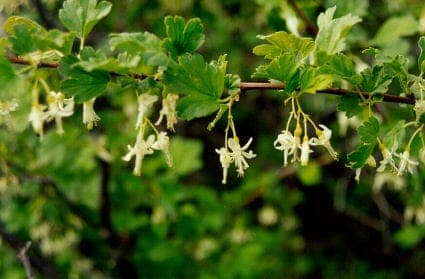
Unknown authorUnknown author / Public domain, via Wikimedia Commons
Snow Currant: complete guide
Ribes niveum
¿Quieres ver Snow Currant: complete guide en tu jardín?
1 minuto, sin tarjeta de crédito
Overview
The Snow Currant, botanically known as Ribes niveum, is a native shrub from the mountain regions of northwestern North America, particularly the Rocky Mountains region. This plant belongs to the Grossulariaceae family, the same family as gooseberries and currants. The Snow Currant is valued for its snowy white flowers, decorative dark fruits, and its ability to thrive in harsh mountain climates. Although not widely cultivated in temperate regions, this shrub offers interesting possibilities for mountain gardens and alpine collections.
For those who appreciate native North American plants or mountain gardens, the Snow Currant is a fascinating choice. At gardenworld.app, you can create specialized garden designs for difficult mountain locations where this robust shrub will thrive. This is a plant for the experienced gardener who ventures beyond standard choices.
Appearance & Bloom Cycle
The Snow Currant is a compact, deciduous shrub that typically grows 0.6 to 1.5 meters tall and about as wide. The plant grows densely and compactly, with strong, woody branches. The foliage is small, about 1 to 3 centimeters long, deeply lobed with teeth or indentations, characteristic of the Ribes genus. The foliage is green in summer and can develop reddish to purple tints in autumn before dropping.
The flowers are the most striking feature - they are snowy white, small but abundant, appearing in drooping racemes in late spring or early summer. After flowering, attractively colored fruits develop: small berries that start green, later turning blue to red with a frosted appearance (reflecting the "snow" in its name). These fruits are bird food and attract many bird species. The berries are also edible, though not spectacularly tasty.
Ideal Location: Sun, Shade, or Partial Shade
The Snow Currant grows optimally in full sun to partial shade. A minimum of 4 to 6 hours of direct sunlight daily is recommended. In mountain regions and cooler climates, more sun can be provided without problem. The plant thrives reasonably well in light shade, though flowering will be less abundant. The plant is very tolerant of windy locations, making it well-suited for mountainsides and windy terrain.
Ensure the plant is positioned in good air circulation - stagnant air can promote fungal diseases. In warm, dry climates, some afternoon shade is beneficial.
Soil & Underground Requirements
The Snow Currant is very tolerant of various soil types and grows better on poor, well-draining soils than on rich garden soil. The plant prefers pH 6.0 to 7.5 (neutral to slightly alkaline), which is opposite to many other shrubs. Heavy clay soil is acceptable if well-draining. The plant also tolerates dry soils once established.
For planting, the soil needs minimal improvement. Sand, gravel, or stone chips may be needed for drainage in wet soils. Do not add rich manures - poor soil is better.
Diseño gratis
¿Quieres ver Snow Currant: complete guide en tu jardín? Crea un diseño gratis ahora.
Watering: When and How Much
The Snow Currant is a drought-tolerant shrub once established. In the first growing season, water regularly, especially during dry periods. Afterwards, the plant tolerates lengthy drought periods without issues. This is one of its greatest advantages: minimal supplemental watering needed. In very dry years, watering can help achieve better fruit set.
In container cultivation, water more regularly, as containers dry out faster than soil. Ensure drainage is excellent - waterlogging causes more problems than too little water.
Pruning: When and How
Pruning the Snow Currant requires minimal attention. The shrub grows naturally compact and is at its best without much intervention. Only remove old, damaged branches in early spring. Young plants can be pruned slightly after flowering to stimulate better branching. Old, overgrown shrubs can be drastically cut back to 30-40 centimeters height - they will regrow vigorously.
Avoid pruning after July as this can damage next spring's bloom. Generally: less pruning is better. The natural form of this shrub is attractive.
Maintenance Calendar
- January - February: Check for frost damage to buds (rare). Perform careful pruning of old/damaged branches. No fertilizing needed.
- March - April: Plant prepares for bloom. Watering can begin cautiously if very dry. Ensure good air circulation.
- May - June: Blooming period. Beautiful spectacle of snowy white flowers. No special care needed.
- July - August: Fruit set in full progress. Birds may begin eating fruits. Minimal watering needed.
- September - October: Fruits ripen. Color changes attractively. Birds enjoy the food. Foliage colors before dropping.
- November - December: Plant is leafless. No maintenance needed. Winter protection is not needed in harsh mountain climates where the plant originates.
Winter Hardiness & Protection
The Snow Currant is very winter-hardy and adapted to harsh mountain climates. The plant tolerates temperatures down to -30 degrees Celsius (USDA zones 3-4) without problem. In northern regions, winter protection is not needed. The plant does not die back and grows better year after year.
Young plants can suffer some frost damage to buds in exceptionally cold winters, but this normally recovers. The plant is built for rough weather.
Companion Plants & Combinations
The Snow Currant combines well with other mountain plants and wild shrubs:
- Juniperus (Juniper): Conifers for contrast and structure.
- Amelanchier (Serviceberry): Another native tree with bird value.
- Sambucus nigra (Elderberry): Large shrub with white flowers for textural contrast.
- Cowania (Cliffrose): Low-growing shrub with yellow flowers.
- Heuchera (Coral Bells): Interesting foliage for the base.
Seek specialized mountain garden centers. gardenworld.app can design mountain gardens that integrate this interesting shrub with similar alpine plants.
Conclusion
The Snow Currant (Ribes niveum) is a fascinating, native mountain plant that remains bird-rich and seasonally beautiful. With minimal watering needs, clean mountain beauty, and native bird value, this is a perfect choice for those who appreciate native gardens or mountain locations. This shrub asks little but gives much back to those who appreciate its character.
¿Quieres ver Snow Currant: complete guide en tu jardín? Crea un diseño gratis ahora.
Sube una foto, elige un estilo y obtén un diseño fotorrealista con lista de plantas en menos de un minuto.
Más de 10.000 jardines diseñados
Sin tarjeta de crédito


Plantas similares
Canadian gooseberry: complete guide
Ribes oxyacanthoides
Discover the Canadian gooseberry, an extremely hardy North American fruit shrub with bristly stems and tart berries for jams and orchards.
Ribes bracteosum: complete guide to this Pacific Northwest shrub
Ribes bracteosum
Grow stink currant, a hardy Pacific Northwest shrub with deep-lobed foliage, fragrant blooms, and dark berries attractive to birds.
Ribes acerifolium: complete guide
Ribes acerifolium
Discover Mapleleaf currant - a stunning native shrub with maple-like leaves and interesting berries. Ideal for natural gardens.