
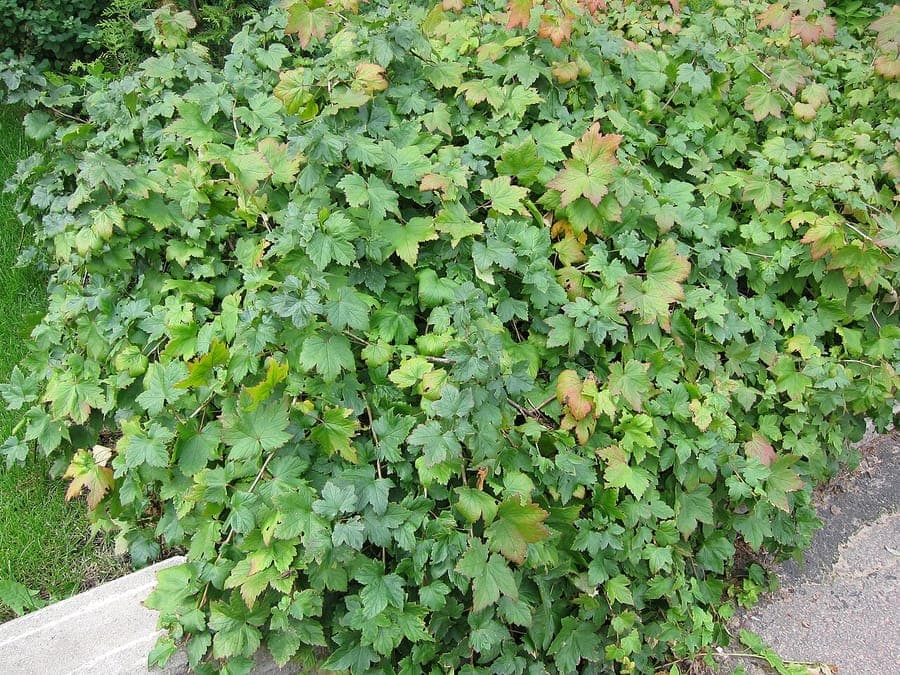
Kymi / CC BY-SA 3.0, via Wikimedia Commons
Wild currant: complete guide
Ribes glandulosum
¿Quieres ver Wild currant: complete guide en tu jardín?
1 minuto, sin tarjeta de crédito
Overview
The wild currant, also called skunk currant (Ribes glandulosum), is a compact, low-growing shrub from North America. This native North American plant distinguishes itself through fragrant foliage that emits a strong, characteristic aroma when touched. At only 60-90 cm in height and broad growing habit, this is a perfect groundcover for larger gardens.
The plant is native to subarctic regions of North America, from Alaska to North Carolina. In this habitat, it grows in forests and wet areas. The plant plays an important role in the local ecosystem as food for birds and small animals. In cultivation, it offers a unique combination of interesting foliage and practical ground coverage.
Appearance and bloom
The wild currant grows as a compact, widely spreading shrub with small, fine leaves. The leaves are approximately 1-3 cm long and have a very characteristic aroma when touched or rubbed. This strong, distinctive scent is one of the plant's main features and gives it its colloquial name.
Blooming occurs from April to May, with small, inconspicuous flowers appearing in drooping clusters. The flowers are greenish to reddish in color. After blooming, small berry fruits form that are initially red and later turn black. These berries are not edible and have an unpleasant taste.
Ideal location
The wild currant thrives best in a sunny to partially shaded location. At least 4-6 hours of light daily is ideal. In full shade, the plant becomes thin and grows poorly. The plant is very suitable for forest and woodland garden situations where it gets moisture and some shade. In open gardens it does best in somewhat sheltered locations.
This plant is excellent as groundcover under larger trees or along walkways where its low growth can be well utilized. Wind is not problematic; the plant withstands windy conditions well.
Soil requirements
The wild currant is very indifferent to soils and grows well in virtually all soil types. Both acidic and alkaline soils are suitable. The plant prefers moist soils and thrives in wet conditions, although it can also tolerate moderately dry soils once established.
Well-draining soils prevent stagnation. Poor soils are actually suitable and lead to less rampant growth. Organic material such as leaf mold can be worked in when planting, but this is not essential.
Watering
The wild currant is very tolerant of moisture and actually grows best in moist conditions. In the first growing season, regular watering helps establish the root system. Once established, the plant can survive long periods without supplemental water, although it prefers moist conditions.
In dry summers, occasional watering can help, especially in open situations. However, excessive watering should be avoided. The plant actually grows well in wet soils and can tolerate short periods of waterlogging better than many other shrubs.
Diseño gratis
¿Quieres ver Wild currant: complete guide en tu jardín? Crea un diseño gratis ahora.
Pruning
The wild currant requires minimal maintenance regarding pruning. This shrub naturally grows into an attractive, compact form and does not need regular pruning. Dead branches are best removed in late winter before growth begins.
Young plants can be lightly pruned to encourage fuller, more compact form. Too much pruning can damage the plant; it is better to let this shrub grow relatively naturally. Remove dead or damaged leaves as they appear.
Maintenance calendar
January-February: Check for winter weather damage. Remove dead branches carefully. March-April: Plant blooms; no special maintenance required. May-June: Early summer growth. Monitor for development. July-August: Summer growth. Water when needed during dry periods. September-October: Fruit formation complete. Winter preparation. November-December: Plant prepares for winter. No special maintenance needed.
Winter hardiness
The wild currant is winter hardy in zones 2-6 (USDA hardiness zones), meaning it is extremely cold-hardy. In the Netherlands and Belgium, it grows excellently in all regions, even during the coldest winter nights. This plant is originally from extremely cold climates and can withstand extremely low temperatures.
Once established, this plant is exceptionally robust and can grow for many decades without special protection. It is actually better suited to northern and cold areas than to warmer southern gardens.
Companion plants
The wild currant grows well with other North American native plants and woodland species. Other low shrubs, forest flora, and shade-loving groundcovers fit well with this plant. In woodland garden situations, it grows well with ferns, hostas, and other moisture-loving shade plants.
The low growth habit makes it excellent for underplanting beneath larger trees. Its fragrant foliage adds interest without visual dominance. A combination with other North American native species creates a natural forest effect.
Closing
The wild currant is an excellent choice for those seeking a low-maintenance groundcover with interesting, fragrant foliage. With its low growth and rough tolerance, this is a practical plant for larger gardens and woodland situations. Once established, it requires virtually no maintenance.
With its North American origin and hardiness, this is a perfect plant for cold regions. Its strong fragrance adds a multisensory dimension to the garden. Available through specialized woodland plant nurseries and native plant suppliers. Visit gardenworld.app for more inspiration for your garden design with North American native plants.
¿Quieres ver Wild currant: complete guide en tu jardín? Crea un diseño gratis ahora.
Sube una foto, elige un estilo y obtén un diseño fotorrealista con lista de plantas en menos de un minuto.
Más de 10.000 jardines diseñados
Sin tarjeta de crédito


Plantas similares
Canadian gooseberry: complete guide
Ribes oxyacanthoides
Discover the Canadian gooseberry, an extremely hardy North American fruit shrub with bristly stems and tart berries for jams and orchards.
Ribes bracteosum: complete guide to this Pacific Northwest shrub
Ribes bracteosum
Grow stink currant, a hardy Pacific Northwest shrub with deep-lobed foliage, fragrant blooms, and dark berries attractive to birds.
Ribes acerifolium: complete guide
Ribes acerifolium
Discover Mapleleaf currant - a stunning native shrub with maple-like leaves and interesting berries. Ideal for natural gardens.