
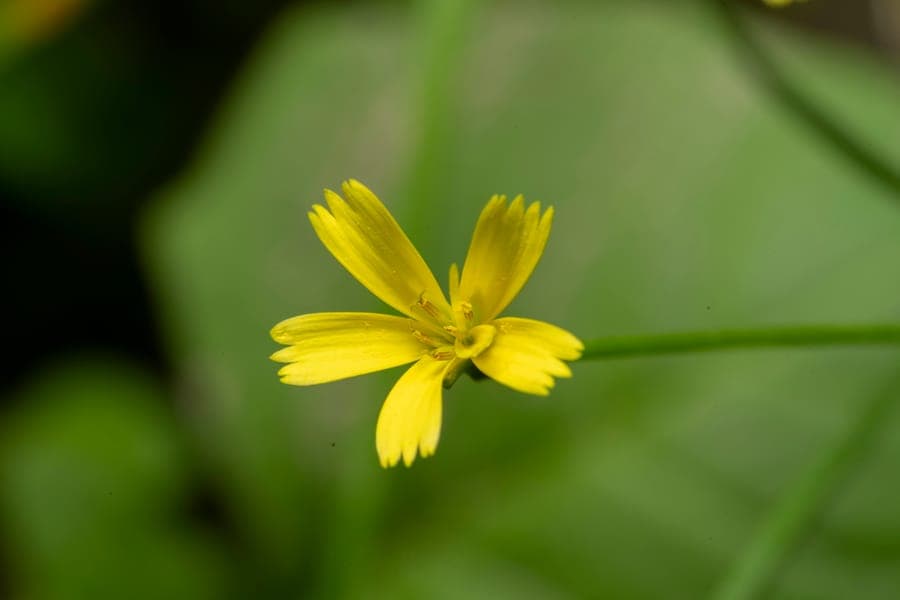
Eleftherios Katsillis https://www.inaturalist.org/people/eleftherioskats / CC BY 4.0, via Wikimedia Commons
Rhagadiolus edulis: complete guide
Rhagadiolus edulis
¿Quieres ver Rhagadiolus edulis: complete guide en tu jardín?
1 minuto, sin tarjeta de crédito
Overview
Rhagadiolus edulis, commonly known as edible star-hawkbit, is a humble Mediterranean plant from the Asteraceae family (daisy family). This annual herb has been cultivated for centuries around the Mediterranean for its nutritious edible leaves and seed capsules.
The plant grows naturally in dry, stony habitats from North Africa to Iran. In temperate gardens, it can be grown as a warm-season annual. With bright yellow flowers and fascinating star-shaped seed pods, it offers both culinary and ornamental value.
While food use remains minimal, enthusiasts of unusual vegetables appreciate the tender young leaves and edible seed capsules.
Appearance and Bloom
Rhagadiolus edulis is a compact plant reaching 20-40 centimeters in height. Stems are slender, sometimes branched, bearing narrow, linear leaves with light hairiness. The entire plant presents a delicate, silhouette-like appearance.
Flowers are bright yellow, small (approximately 1 centimeter across), appearing from May to July. They open in sunlight and close at night. After bloom, the plant produces characteristic star-shaped seed capsules that give it its name. Each fruit is a hardened seed pod with projections resembling star points.
The seed capsules themselves are edible and consumed raw in salads.
Ideal Location
Rhagadiolus edulis thrives in full sun positions with minimum 6-8 hours direct sunlight daily. The plant is thermophilic (heat-loving) and prefers warm locations.
It's extremely drought-resistant and flourishes on lean, stony soil where other vegetables struggle. Sandy, gravelly, or rocky locations are ideal.
Soil
Rhagadiolus edulis requires no rich soil. Indeed, overly fertile soil promotes leaf growth at the expense of flowering and seed. Poor, well-draining soil is preferred.
The plant tolerates saline soils reasonably well and grows fine in Mediterranean conditions. Sand, gravel, and stony soil all suit it. Ensure good drainage.
Diseño gratis
¿Quieres ver Rhagadiolus edulis: complete guide en tu jardín? Crea un diseño gratis ahora.
Watering
Sow in spring after last frost. Rhagadiolus edulis favors dry weather and becomes drought-resistant once established. Minimal watering needed: water only during prolonged drought.
Overwatering promotes disease and spoils leaf quality. Be careful in rainy seasons or humid environments.
Pruning
Minimal pruning needed. Remove only dead or damaged parts. Let the plant grow naturally.
Maintenance Calendar
April-May: Blooming begins, minimal management June-July: Peak flowering, commence seed development August-September: Harvest when star fruits are dry October-March: Die-off and seed dispersal period
Winter Hardiness
Rhagadiolus edulis is not winter-hardy in many temperate climates. It grows as an annual and dies back in frost. In Southern European regions, it can be used as a fall-grown crop.
In very warm regions (USDA zone 9+), it may self-seed and reappear yearly.
Companion Plants
Excellent companions in Mediterranean gardens:
- Other wild herbs: borage, dill, cilantro
- Drought-lovers: lavender, rosemary
- Other nutritious weeds: portulaca, sorrel
Sowing together with oregano or thyme creates an authentic Mediterranean vegetable garden.
Closing
Rhagadiolus edulis is a fascinating vegetable exotic for gardeners in warm climates. With minimal management and zero fertilizer or excess water, it delivers fresh leaves and edible star fruits.
Available as seed from suppliers specializing in Mediterranean vegetables. Sow directly in full sun, water minimally, and harvest young leaves and dry star fruits in summer.
Visit gardenworld.app for more Mediterranean gardening tips and unusual edible plants. Enjoy your exotic green!
¿Quieres ver Rhagadiolus edulis: complete guide en tu jardín? Crea un diseño gratis ahora.
Sube una foto, elige un estilo y obtén un diseño fotorrealista con lista de plantas en menos de un minuto.
Más de 10.000 jardines diseñados
Sin tarjeta de crédito


Plantas similares
Calendula stellata: complete guide
Calendula stellata
Complete guide to Calendula stellata, the star-flowered marigold from Sicily: location, soil, watering and companion planting tips.
Korean chrysanthemum: complete guide
Chrysanthemum x rubellum
Chrysanthemum x rubellum is a hardy autumn perennial with single pink to copper flowers from August to November. Care and combinations.
Helianthus divaricatus: complete guide
Helianthus divaricatus
Helianthus divaricatus is a North American woodland sunflower with yellow summer blooms, ideal for naturalistic borders and shady edges.