
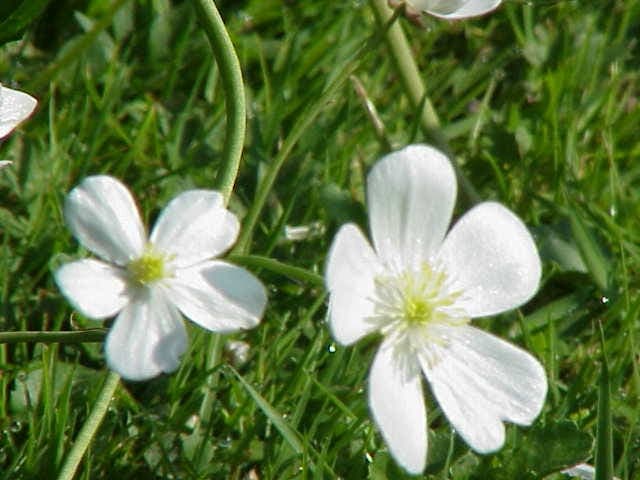
Kurt Stüber [1] / CC BY-SA 3.0, via Wikimedia Commons
Ranunculus aconitifolius: complete guide
Ranunculus aconitifolius
¿Quieres ver Ranunculus aconitifolius: complete guide en tu jardín?
1 minuto, sin tarjeta de crédito
Overview
The Aconite-leaf buttercup (Ranunculus aconitifolius) is an elegant alpine plant from the buttercup family (Ranunculaceae) naturally occurring in the mountains of Central Europe. This delicate plant is renowned for its pristine white flowers and finely woven leaf architecture. The plant reaches 30-60 centimeters in height and grows in loose, attractive clusters. With its deeply lobed foliage and white flowers, it is a beautiful addition to alpine gardens and moist borders.
Ranunculus aconitifolius is a plant for lovers of alpine flora and natural garden styles. This plant offers refined beauty and grows well with minimal maintenance in proper conditions.
Appearance and bloom
The Aconite-leaf buttercup distinguishes itself through its characteristic white flowers. The flowers are small to medium-sized, approximately 15-20 mm in diameter, white in color, with five glossy petals. Flowers appear in loose, graceful panicles from May to June. The foliage is deeply lobed, almost aconite-like (hence the name), dark green and wavy.
The plant naturally occurs in moist alpine meadows and along mountain springs. The seed heads are interesting and provide autumn structure.
Ideal location
Ranunculus aconitifolius thrives best in dappled shade. The plant tolerates full sun poorly, especially in warm areas. Choose a sheltered spot with indirect sunlight. The plant grows well in moist, lightly shaded environments. Strongly windy sheltered locations are preferred.
The plant performs optimally in cool alpine climates.
Soil preference
Ranunculus aconitifolius grows best in moist, humus-rich soil. A pH of 6.5-7.5 is ideal, though slightly acidic soils are also good. The soil may be moist, but must have good drainage. Adding organic matter improves water retention and nutrient availability.
Good drainage is essential to prevent root rot.
Diseño gratis
¿Quieres ver Ranunculus aconitifolius: complete guide en tu jardín? Crea un diseño gratis ahora.
Watering
Ranunculus aconitifolius prefers moist soil during the growing season. Regular watering is essential, especially during dry periods. Give consistent water without waterlogging the plant. Mulch helps retain soil moisture and keeps roots cool.
After blooming, moisture requirements may decrease slightly, but avoid complete drying.
Pruning
Ranunculus aconitifolius requires minimal pruning. After flowering, faded flowers can be removed to promote tidiness, though this is not necessary. In spring, dead stems from the previous season can be carefully removed.
Formal pruning is unnecessary. Allow the plant to assume its natural form.
Maintenance calendar
Spring: Plant grows actively. Ensure moist soil. Flowers begin opening in May. Summer: Blooms during this season. Regular watering during dry periods. Faded flowers can be removed. Fall: Plant begins to decline. No active maintenance needed. Winter: Plant is dormant. Protect from severe frosts and heavy rain.
Winter hardiness
Ranunculus aconitifolius is very frost-hardy and grows well in temperate climates extending to Scandinavia. The plant easily withstands cold winters. After hard frosts, aboveground parts may die, but the root system usually survives and breaks into new growth in spring.
Companion plants
Ranunculus aconitifolius combines beautifully with other alpine plants such as Helleborus, Anemone, and light hosta's. Plant together with other moisture-lovers for a natural effect.
Conclusion
Ranunculus aconitifolius is a beautiful plant for alpine gardens and moist borders. With its pristine white flowers and elegant leaf architecture, this plant grows elegantly with reasonable maintenance. At gardenworld.app, we help you fit this lovely alpine plant perfectly into your garden design. With gardenworld.app, you create a moist alpine garden full of mountain flora beauty.
¿Quieres ver Ranunculus aconitifolius: complete guide en tu jardín? Crea un diseño gratis ahora.
Sube una foto, elige un estilo y obtén un diseño fotorrealista con lista de plantas en menos de un minuto.
Más de 10.000 jardines diseñados
Sin tarjeta de crédito


Plantas similares
Drummond's anemone: complete guide
Anemone drummondii
Discover Drummond's anemone (Anemone drummondii): a silvery-grey mountain plant for cool rock gardens and alpine troughs.
Korean clematis: complete guide
Clematis serratifolia
Clematis serratifolia is a hardy climber with fragrant yellow bell flowers in August-September. Pruning group 3, location and care tips.
Aquilegia brevistyla: complete guide
Aquilegia brevistyla
Discover Aquilegia brevistyla, the elegant North American columbine. Growing tips, shade tolerance, and design ideas for woodland and shadowed gardens.