
Offer.s.z / CC BY-SA 4.0, via Wikimedia Commons
Valonia Oak: complete guide
Quercus ithaburensis
¿Quieres ver Valonia Oak: complete guide en tu jardín?
1 minuto, sin tarjeta de crédito
Overview
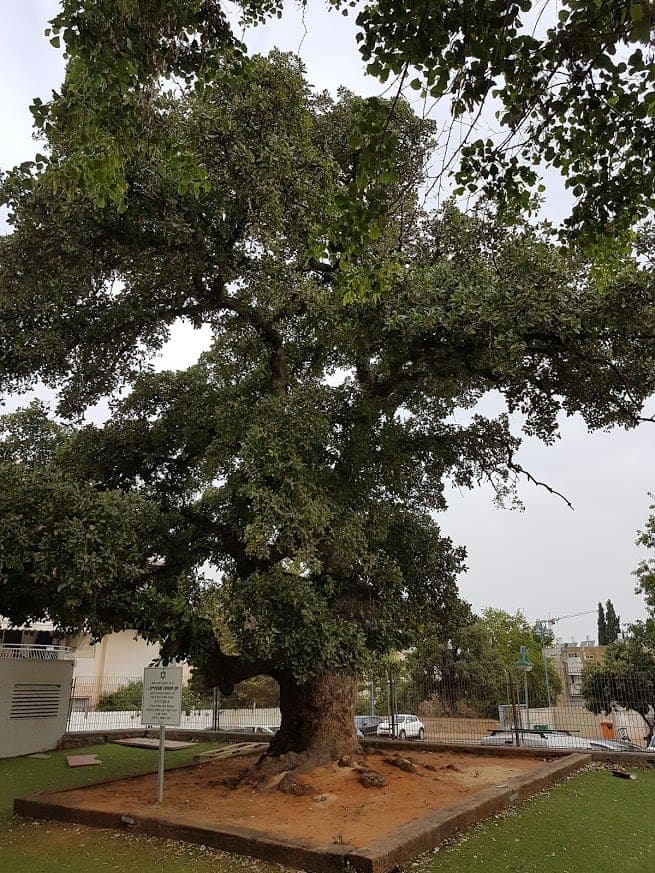
The Valonia oak (Quercus ithaburensis), also known as the Tabor oak, is an impressive deciduous tree from the Mediterranean region. This tree distinguishes itself through robust growth and characteristic large acorns with prominent scales. The tree can reach 20 meters in height and provides excellent shade for larger gardens. In the Netherlands and Belgium, this oak grows well in warmer regions, particularly in areas with temperate to warm climates.
The Valonia oak is native to southern Europe, from Italy to Turkey. The tree has a long history and was valued even in ancient times. The acorns are considerably larger than those of many other oak species and have a unique form with large, reflexed scales.
Appearance and bloom
The Valonia oak grows as a medium to large tree with a broad crown. The leaves are deciduous, approximately 5-10 cm long, and often somewhat larger than many other oak species. They have a glossy, dark green appearance and can take on golden or brown tints in autumn before falling.
Blooming occurs in April to May, with inconspicuous yellow flower catkins. The female flowers are much smaller and less showy. The true attraction comes from the acorns, which ripen in September to October. These acorns are truly impressive: up to 3 cm long with very large, reflexed scales covering the cup.
Ideal location
The Valonia oak thrives best in a sunny, warm location. At least 6 hours of direct sunlight daily is ideal. The tree is very suitable for south or southwest-facing locations where it can warm well. In landscape design applications, it serves as a solitary specimen tree with strong presence due to its size and characteristic form.
Protection from cold winter winds is important in more northern regions. A spot where the tree is sheltered from fierce spring winds helps prevent frost damage to young growth.
Soil requirements
The Valonia oak is undemanding regarding soil types. It grows well in dry to moderately moist soils. The tree is very drought-tolerant and suitable for soils with lower water-holding capacity. Well-draining soil is essential - waterlogging must be absolutely avoided.
Neutral to alkaline pH soils are ideal. The tree can also grow in somewhat acidic soils but prefers calcareous soils, typical of its natural habitat. Heavy clay soils can be improved by adding sand or humus when planting.
Watering
Once established, the Valonia oak is very drought-tolerant and requires little additional water. During dry summers, occasional watering can help, especially for young trees not yet fully developed. In the first growing season, regular watering helps establish the root system.
Avoid waterlogging and ensure good drainage. The tree can tolerate extended drought better than stagnant moisture. In regions with normal rainfall, supplemental watering is barely needed after the first year.
Diseño gratis
¿Quieres ver Valonia Oak: complete guide en tu jardín? Crea un diseño gratis ahora.
Pruning
The Valonia oak requires minimal maintenance regarding pruning. This tree naturally develops into an attractive form and does not need regular pruning. Dead or damaged branches are best removed in late winter before growth begins.
Young trees can be lightly pruned to develop a strong central leader. Heavy pruning wounds can cause damage; it is better to let this tree grow relatively naturally. Avoid pruning during the growing season to avoid attracting disease spores.
Maintenance calendar
January-February: Check for winter weather damage. Remove dead branches. March-April: Tree blooms; no special maintenance required. May-August: Summer growing season. Monitor for drought, water if needed. September-October: Acorns ripen and fall. These can be collected if desired. November-December: Leaf drop complete. Winter preparation.
Winter hardiness
The Valonia oak is winter hardy in zones 7-9 (USDA hardiness zones). In the Netherlands and Flanders, it grows best in southern regions and warm microclimates. In more northern areas, frost damage to young trees may occur, especially during late frost periods in April.
Protection with burlap or other winter protection can be useful for young trees in risk areas. Once established, the tree is robust and can withstand considerable cold, as long as it is not extreme prolonged cold.
Companion plants
The Valonia oak grows well with other Mediterranean shrubs and groundcovers. Lavender, rosemary, and other drought-lovers fit well under its canopy. In southern gardens, it can be combined with other heat-loving trees such as ornamental apple or carob.
Shade-tolerant groundcovers such as sunflower and bergenia thrive in the light shade beneath mature specimens. Spring underplanting with bulbs adds color without extensive maintenance requirements.
Closing
The Valonia oak is an excellent choice for those seeking a large, characterful tree for a south-facing garden. With its impressive acorns and robust character, this tree brings character and scale to landscape design. Once established, it requires little maintenance and provides decades of shade and visual interest.
With the right location and good drainage conditions, you will enjoy this Mediterranean beauty. Available at garden centres throughout the region. Visit gardenworld.app for more inspiration for your garden design with large trees.
¿Quieres ver Valonia Oak: complete guide en tu jardín? Crea un diseño gratis ahora.
Sube una foto, elige un estilo y obtén un diseño fotorrealista con lista de plantas en menos de un minuto.
Más de 10.000 jardines diseñados
Sin tarjeta de crédito


Plantas similares
Lucombe oak: complete guide
Quercus crenata
Lucombe oak (Quercus crenata): a majestic semi-evergreen giant with corky bark, perfect for large gardens, parks, and country estates.
Blue oak: complete guide
Quercus douglasii
Discover the blue oak, a drought-tolerant Californian shade tree with striking blue-green foliage, ideal for large, climate-resilient gardens.
Quercus montana: complete guide
Quercus montana
Quercus montana, the chestnut oak, is a rugged American shade tree with deeply furrowed bark and large acorns, well suited to dry, rocky, spacious gardens.