
TodorBozhinov / CC BY-SA 4.0, via Wikimedia Commons
Hungarian oak: complete guide
Quercus frainetto
¿Quieres ver Hungarian oak: complete guide en tu jardín?
1 minuto, sin tarjeta de crédito
Overview
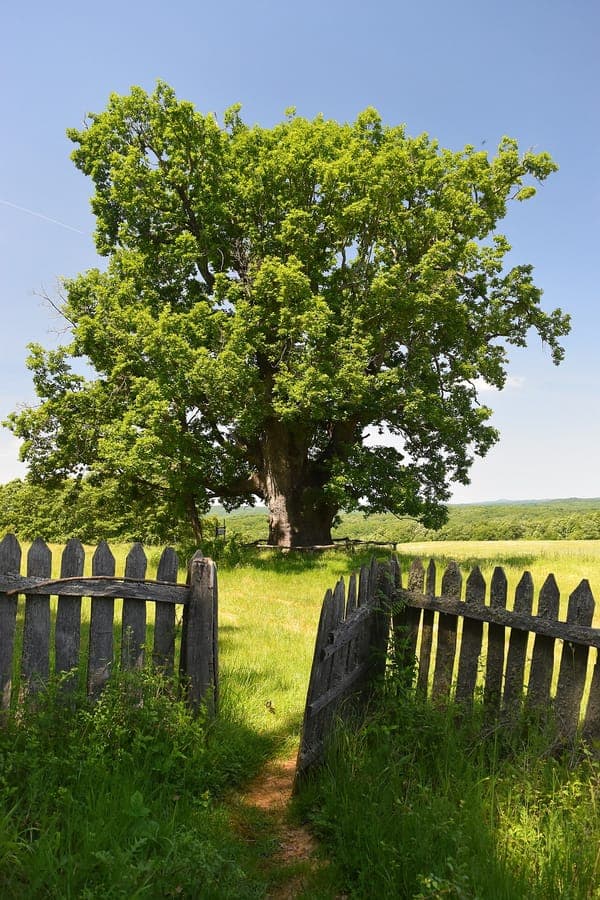
The Hungarian oak (Quercus frainetto) is a stately, deciduous tree native to the Balkan Peninsula, particularly Hungary. Distinguished by its large, deeply lobed leaves (12-15 cm) and upright, open crown, it's a vigorous, long-lived tree highly suited to European gardens. With its dignified form, rapid growth, and minimal maintenance demands, this is one of Europe's finest oaks for parks and spacious estates.
Appearance and Bloom Cycle
Hungarian oak reaches 20-25 meters tall with a spread of 12-15 meters. Leaves are substantial (10-15 cm), deeply lobed, bright green in summer, turning yellow-brown to red in autumn. Bark is dark grey to black, dense and regularly fissured.
Flowers are insignificant, but acorns are ornamental: 2-3 cm long, reddish-brown, in shallow cups. The tree grows rapidly, especially in its first twenty years, then moderates.
Ideal Location
Hungarian oak thrives in full sun with minimum five to six hours of direct light daily. This is a tree for generous spaces (minimum 8 meters clear of buildings). Excellent for parks, landscapes, and grand estates.
Very wind-resistant and suitable for urban and coastal settings. Shade-intolerant; poor growth in shade.
Soil Requirements
Hungarian oak grows in virtually all soil types, including heavy clay, but prefers well-drained, moderately moist soil. pH can range from acidic (5.5) to neutral (7.5).
An exceptionally tough tree; even poor soils are acceptable. After establishment, minimal nutrition is required. Compost or leaf mould aids establishment in year one.
Diseño gratis
¿Quieres ver Hungarian oak: complete guide en tu jardín? Crea un diseño gratis ahora.
Watering
Regular deep watering (12 litres weekly) during the first growing season is essential. After establishment (2-3 years), the tree is very drought-tolerant and self-sufficient. This is not a tree for waterlogged sites - good drainage is critical.
Once established, it tolerates very dry periods, even in urban environments.
Pruning
Hungarian oak grows naturally in a beautiful, open form requiring minimal intervention. Remove only dead or damaged branches in autumn (October-November). Formative pruning of young trees involves gentle heading-back in year one.
The tree recovers well from pruning wounds. Prune only when necessary; excessive pruning encourages brittle regrowth.
Maintenance Calendar
FEBRUARY-MARCH: Inspect for wind damage APRIL: Water during dry spells MAY-OCTOBER: Growth phase; regular inspection OCTOBER-NOVEMBER: Remove deadwood DECEMBER: Winter inspection
Winter Hardiness
Hungarian oak is hardy to USDA Zone 5 (-28°C). Across Europe - from Scandinavia to the Mediterranean - this tree grows without protection. An exceptionally hardy oak suitable for all temperate zones.
Companion Plants
Hungarian oak is a majestic specimen tree. Its large canopy and deep roots make underplanting challenging. Suitable plants include:
- Geranium sanguineum (ground planting)
- Hardy ferns (beneath canopy)
- Helleborus (shade-loving)
- Hedera ivy (trunk accompaniment)
Avoid grassland groundcovers that compete with roots.
Closing
Quercus frainetto is ideal for those seeking a dignified, long-lived tree with minimal upkeep. With its large lobed leaves, rapid growth, and exceptional hardiness, it's an excellent choice for mid-to-large gardens. Not for small spaces, but where room allows, it's a top selection. Explore oak recommendations on gardenworld.app to design your ideal landscape. Find perfect tree selections on gardenworld.app.
¿Quieres ver Hungarian oak: complete guide en tu jardín? Crea un diseño gratis ahora.
Sube una foto, elige un estilo y obtén un diseño fotorrealista con lista de plantas en menos de un minuto.
Más de 10.000 jardines diseñados
Sin tarjeta de crédito


Plantas similares
Lucombe oak: complete guide
Quercus crenata
Lucombe oak (Quercus crenata): a majestic semi-evergreen giant with corky bark, perfect for large gardens, parks, and country estates.
Blue oak: complete guide
Quercus douglasii
Discover the blue oak, a drought-tolerant Californian shade tree with striking blue-green foliage, ideal for large, climate-resilient gardens.
Quercus montana: complete guide
Quercus montana
Quercus montana, the chestnut oak, is a rugged American shade tree with deeply furrowed bark and large acorns, well suited to dry, rocky, spacious gardens.