
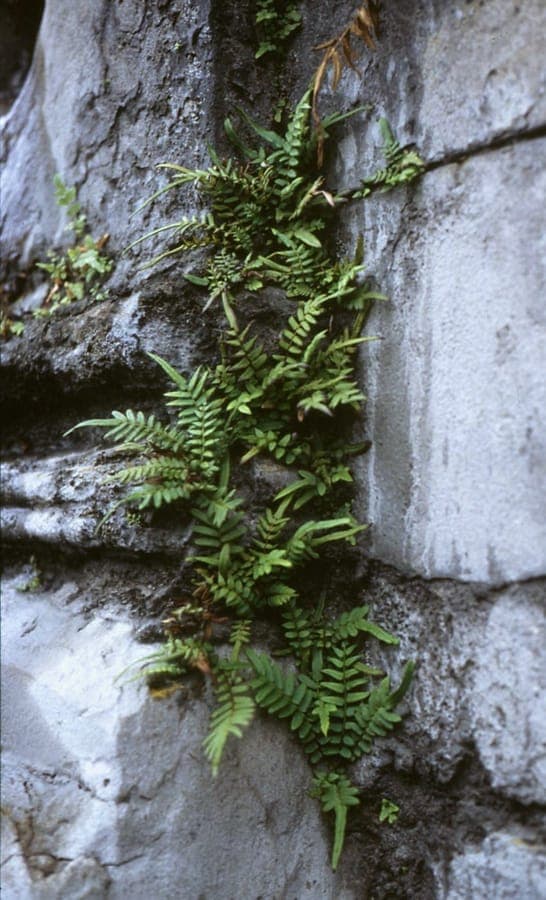
Franz Xaver / CC BY-SA 3.0, via Wikimedia Commons
Pteris vittata: complete guide
Pteris vittata
¿Quieres ver Pteris vittata: complete guide en tu jardín?
1 minuto, sin tarjeta de crédito
Overview
Pteris vittata, commonly known as Chinese brake or Chinese brake fern, is an elegant and decorative fern from the Pteridaceae family. This fern originates naturally from tropical and subtropical regions of the Old World, including Asia, Africa, and parts of Europe. In modern interiors, the plant is widely used as an ornamental foliage plant and is renowned for its graceful, feathery fronds.
The fern grows to approximately 30 to 60 centimeters height and features numerous long, finely-divided fronds creating a flawless green screen. The plant makes minimal demands on maintenance and performs excellently as a houseplant or in shady garden corners. This is a plant that beginning gardeners can appreciate and professionals recognize as robust and reliable.
Appearance and fronds
Pteris vittata is a stylish fern with graceful growth structure. The plant grows in compact, much-branched form with numerous fronds growing from rootstock. The fronds are pinnate (feather-like) and consist of many small leaflets along central veins.
The fronds are narrow-lanceolate to linear, approximately 2 to 4 millimeters wide, creating very fine, elegant texture. Frond color is bright green, and mature fronds can reach 20 to 30 centimeters long. The fronds have thin, sturdy green stems and are somewhat wavy, creating pleasant dynamic effect.
The sporangia occur at frond margins and are typically dark brown. This is normal fern physiology and not a disease sign. The plant grows almost year-round under favorable conditions.
Ideal location
Pteris vittata thrives in shady to semi-light places. The plant cannot tolerate full direct sunlight and will suffer leaf damage if receiving too much sun. Indoors, a location near a window but without direct sunlight is ideal.
The plant integrates well in bathrooms, small rooms, or on shaded balconies. The high humidity in bathrooms is very favorable for fern growth. The plant can also be placed on shelves or in office spaces where shaded conditions prevail.
Soil
Pteris vittata grows best in nutrient-rich, humus-laden potting soil with good drainage. A mixture of peat moss substitute, humus-based potting soil, and perlite creates ideal growing conditions. The plant prefers slightly acidic soil, around pH 5.5 to 6.5.
Well-draining potting soil is essential because roots are sensitive to waterlogging in wet conditions. Regular compost addition helps replenish nutrients and improve soil structure. When repotting, always use fresh potting soil.
Diseño gratis
¿Quieres ver Pteris vittata: complete guide en tu jardín? Crea un diseño gratis ahora.
Watering
Pteris vittata needs regular moisture for good growth. Keep potting soil moist but not waterlogged. Bottom watering is ideal; water soil evenly. Depending on season and environment, watering may be needed two to three times weekly.
In winter, watering can be reduced. Use room-temperature water and avoid spraying water directly on fronds when possible. The plant appreciates misting the fronds, especially in dry interiors. Spraying with distilled water increases humidity and plant care.
Pruning
Pteris vittata requires minimal active pruning. The plant grows elegantly naturally and maintains its shape well. Remove damaged, yellow, or dying fronds regularly. This stimulates new green frond growth.
Old fronds can be carefully removed at the base. This helps stimulate renewal. Avoid aggressive cutting back, as ferns recover slowly. Regular removal of dead material keeps the plant clean and healthy.
Maintenance calendar
- January-March: Low growth in winter, minimal watering
- April-June: Growing period begins, regular watering
- July-August: Peak growing season, frequent watering
- September-October: Growth slows, adjust watering
- November-December: Winter rest, minimal watering
Winter hardiness
Pteris vittata is not winter-hardy and cannot tolerate frost. The plant dies when temperatures drop below 0 degrees Celsius. In cold climates, the plant must always be kept indoors.
The plant thrives best in temperatures between 15 to 25 degrees Celsius. Avoid sudden temperature fluctuations and drafts from heating equipment. The plant can be overwintered in cool growing rooms or greenhouses in warm locations with adequate light.
Companion plants
Pteris vittata combines well with other shade-loving indoor plants such as:
- Adiantum (maidenhair fern)
- Davallia (rabbit's foot fern)
- Asplenium (spleenwort)
- Platycerium (staghorn fern)
- Chlorophytum (spider plant)
- Hedera (ivy)
- Ficus pumila (creeping fig)
These combinations create luxuriant, evergreen interiors.
Closing
Pteris vittata is an excellent choice for plant lovers wanting elegant fern growth in the interior. The plant is low-maintenance and offers numerous benefits: indoor air purification, beauty, and subtle Asian elegance. With GardenWorld, integrate this fern into your houseplant collection and enjoy years of green pleasure. The Chinese brake fern brings calm and naturalness to every room and is an investment in sustainable, green living.
¿Quieres ver Pteris vittata: complete guide en tu jardín? Crea un diseño gratis ahora.
Sube una foto, elige un estilo y obtén un diseño fotorrealista con lista de plantas en menos de un minuto.
Más de 10.000 jardines diseñados
Sin tarjeta de crédito


Plantas similares
American rockbrake: complete guide
Cryptogramma acrostichoides
Full guide to American rockbrake fern: ideal location, soil, watering, winter hardiness and garden companions for shady rock gardens.
Longleaf brake fern: complete guide
Pteris longifolia
Everything about Pteris longifolia: ideal location, soil, watering, winter care and companion plants for this tropical fern.
Rough Maidenhair Fern: complete guide
Adiantum hispidulum
Discover the Rough Maidenhair Fern, an elegant, low-growing fern from tropical regions with delicate fine-textured foliage. Perfect for humid, shaded locations and humid indoor environments.