
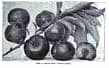
Liberty Hyde Baily / Public domain, via Wikimedia Commons
Prunus simonii: complete guide
Prunus simonii
¿Quieres ver Prunus simonii: complete guide en tu jardín?
1 minuto, sin tarjeta de crédito
Overview
Prunus simonii, commonly known as Simon plum, apricot plum, or Xing li in Chinese, is a lovely fruit tree from north-central China. This decorative tree, reaching 4 to 8 meters in height, offers both beautiful spring blossoms and edible fruits. With its elegant flowering in white and pink tones plus sweet, orange fruits, this tree makes a valuable addition to a fruit garden or ornamental landscape. This guide reveals everything needed to successfully grow this Chinese fruit tree at home in temperate climates.
Appearance and bloom
Prunus simonii is an elegant, deciduous tree with a regular, oval outline. The leaves are elongated, glossy green, and have fine serrations along the edges. They color beautifully yellow to orange in autumn. The flowers appear in early spring, March through April, before the leaves fully emerge. The flower clusters are white to pale pink, extremely numerous, and form a beautiful veil across the branches. The flowers attract many bees. After flowering, oval, orange-red fruits develop, 3 to 5 cm long. These fruits are sweet and edible, similar to apricots in flavor.
Ideal location
Prunus simonii grows best in warm, sunny locations with plenty of direct sunlight. At least 6 to 8 hours of full sunlight per day is essential for good flowering and fruiting. The tree tolerates wind reasonably well, but protection from cold winter winds is beneficial. Protection from late frosts (April) helps prevent loss of blossoms and fruit development. Ensure open locations where air circulation is good; this prevents fungal diseases.
Soil
Prunus simonii thrives in well-draining, fertile soils. The tree tolerates both acidic and alkaline soils, but preference for slightly acidic to neutral (pH 6.0 to 7.5) is beneficial. Heavy clayey soils should be improved with sand and organic matter. When planting, generously add humus and compost. A deep root system requires at least 80 cm of deep soil. Ensure good drainage; waterlogging is very harmful.
Watering
Prunus simonii tolerates drought reasonably well after establishment, but regular water during the growing season (April through October) promotes blooming and fruiting. Water thoroughly during dry periods, especially during fruit set (May through June). In very dry summers, you may water weekly. Prefer dry winters; watering must be very limited from October through March. Water deeply rather than shallowly to encourage deep rooting.
Diseño gratis
¿Quieres ver Prunus simonii: complete guide en tu jardín? Crea un diseño gratis ahora.
Pruning
Prunus simonii requires minimal pruning. In late winter (February through March), remove dead or damaged branches. Gently shape the tree with light pruning in the early years to form an open, well-branched silhouette. Avoid aggressive pruning, as this can damage flower formation. After fruiting (July), you may remove excess shoots to improve energy efficiency. Ensure pruning wounds close rapidly.
Maintenance calendar
March: spring maintenance, remove dead branches, apply feeding (potassium-rich fruit tree fertilizer). April through May: blooming period, observe pollination and fruit set. June through October: regular watering, observe diseases (fungal infections, aphids). October: autumn leaf fall, clean around tree. November through March: winter dormancy, minimal watering, protection from severe frost.
Winter hardiness
Prunus simonii is semi-hardy and tolerates frost temperatures of -10 to -15 degrees Celsius. In very harsh climates (-20 degrees), young growth can sustain damage. The flowers are susceptible to late frosts in April; protection with reed covering or cloth helps prevent frost damage. In very cold areas, grow your tree in a pot so you can move it to shelter.
Companion plants
Prunus simonii combines well with other spring-flowering trees: Malus (apple), Pyrus (pear), and other Prunus species (cherry, plum). This creates a flower garden effect in early spring. Add understory with low bloomers: Forsythia, Chaenomeles (Japanese quince), and bulbous species (daffodil, tulip) add lower layering. Avoid direct ground competition from other trees; plant at least 5 meters apart.
Closing
Prunus simonii is an elegant fruit tree that delivers both decorative blossoming and edible fruits. With regular feeding, proper pruning, and moisture maintenance, this tree yields years of enjoyment. You'll find young trees occasionally at specialized fruit tree nurseries across Europe. The dual function of ornamental blooms and fruit production makes this tree highly valuable for those wanting to establish ecological fruit gardens. Visit gardenworld.app for more inspiration on fruit gardens and food-producing landscapes.
¿Quieres ver Prunus simonii: complete guide en tu jardín? Crea un diseño gratis ahora.
Sube una foto, elige un estilo y obtén un diseño fotorrealista con lista de plantas en menos de un minuto.
Más de 10.000 jardines diseñados
Sin tarjeta de crédito


Plantas similares
Siberian crab apple: complete guide
Malus x robusta
Complete guide to the Siberian crab apple (Malus x robusta): location, soil, pruning, winter hardiness and the best companion plants for your garden.
Chinese flowering crabapple (Malus x spectabilis): complete guide
Malus x spectabilis
Meet the Chinese flowering crabapple (Malus x spectabilis): a classic spring bloomer with carmine buds and pink blossom.
Potentilla crassinervia: complete guide
Potentilla crassinervia
Potentilla crassinervia, the Corsican cinquefoil, grows wild on Corsica and Sardinia's peaks. Discover how to grow this hardy alpine rock garden gem.