
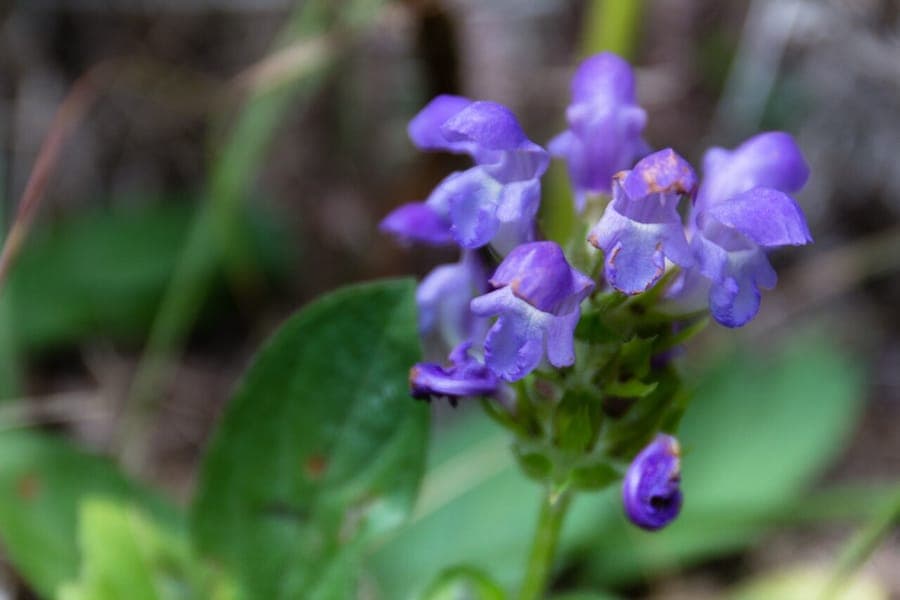
Ragnhild&Neil Crawford from Sweden / CC BY-SA 2.0, via Wikimedia Commons
Large selfheal (Prunella grandiflora): complete guide
Prunella grandiflora
¿Quieres ver Large selfheal (Prunella grandiflora): complete guide en tu jardín?
1 minuto, sin tarjeta de crédito
Overview
Prunella grandiflora, also known as large selfheal or large-flowered selfheal, is a robust perennial from Europe. This plant is known for its striking purple-blue flowers that bloom longer than common selfheal. The plant forms dense, low-growing cushions and is ideal for borders, rock gardens, and underplanting.
Large selfheal is a favorite plant of butterflies, bees, and bumblebees. It grows quickly and requires minimal maintenance, making it perfect for busy gardeners. This plant thrives in practically every climate zone in the UK and Northern Europe.
Appearance and Bloom
Prunella grandiflora grows to about 30-40 cm in height and forms broad, cohesive cushions. The leaves are lance-shaped and dark green with a slightly rough texture. The flowers appear in dense, upright flower spikes and vary in color from bright purple to violet-blue.
Individual flowers are approximately 1-1.5 cm long and have a two-lipped design with the upper lip folded. These flowers are highly attractive to pollinators. Blooming begins in July and continues through September, sometimes even into October when weather remains mild.
Ideal Location
Prunella grandiflora grows best in sunny to partially shaded locations. It loves full sun but tolerates partial shade without any problems. In very hot climates, some afternoon shade may be welcome.
Ensure a spot with good air circulation to prevent fungal diseases. Don't plant large selfheal directly adjacent to much moister-growing plants, as it prefers somewhat drier conditions.
Soil
Prunella grandiflora is highly adaptable regarding soil. It grows in practically any well-draining soil. The plant thrives in soil with a pH between 6.0 and 7.5. It likes moderately fertile soil and quickly suffers from over-enriched soil, which can lead to weak growth.
Ensure good drainage, especially in areas with heavy winter rain. Add minerals such as peat moss or compost before planting. It is not necessary to add fertilizer unless the soil is extremely poor.
Watering
Once established, Prunella grandiflora requires minimal maintenance regarding water. It tolerates drought well. During dry spells, you can water it, but it is not essential. In well-draining soils, you rarely need to provide extra water.
In very wet winters, the plant can suffer from excessive moisture. Plant it on raised beds or add sand to the soil to improve drainage.
Diseño gratis
¿Quieres ver Large selfheal (Prunella grandiflora): complete guide en tu jardín? Crea un diseño gratis ahora.
Pruning
Prune the plant after blooming (October) back to about 5-10 cm height. This encourages denser, more compact new growth in the following season. You can also remove spent flower spikes throughout the blooming period to encourage longer flowering.
In early spring, you can remove dead growth from the previous winter.
Maintenance Calendar
March: Maintenance pruning, remove dead growth. April-May: Growth begins, no feeding needed. June: Blooming begins, water if dry. July-October: Full bloom, remove spent flowers. November: Prune back after blooming. December-February: Rest period.
Winter Hardiness
Prunella grandiflora is extremely winter-hardy and tolerates temperatures of down to -20 degrees Celsius without any problems. It remains largely evergreen in winter, though growth stops. In snow and ice, it keeps its leaves, which may then appear somewhat grayish.
It requires no extra protection over winter. The only thing you need to do is remove dead growth after winter.
Companion Plants
Prunella grandiflora combines excellently with other low-growing perennials. Try it alongside Sedum and other bee- and butterfly-friendly plants like Lavandula and Salvia. Also beautiful in combination with yellow flowers such as Achillea and Helianthemum.
In borders, you can use large selfheal as a transition plant between taller plants and the front of your flower bed.
Final Thoughts
Prunella grandiflora is a reliable, beautiful perennial that requires minimal maintenance for years. With its attractive purple-blue flowers, long blooming period, and support for pollinators, it is an essential part of every ecological garden. It grows well in almost every climate in the UK and Northern Europe.
You will find the best Prunella grandiflora plants at local plant nurseries and garden centers. Most garden centers offer this plant in spring. Visit gardenworld.app for more inspiration about perennials and garden design. Also consult our guide at gardenworld.app for more tips on pollinator-friendly plants.
¿Quieres ver Large selfheal (Prunella grandiflora): complete guide en tu jardín? Crea un diseño gratis ahora.
Sube una foto, elige un estilo y obtén un diseño fotorrealista con lista de plantas en menos de un minuto.
Más de 10.000 jardines diseñados
Sin tarjeta de crédito


Plantas similares
Apple mint (Mentha x villosa): complete guide
Mentha x villosa
Meet apple mint (Mentha x villosa): a fruity-scented kitchen herb with woolly leaves, perfect for tea and mojitos.
Salvia peyronii: complete guide
Salvia peyronii
Discover Salvia peyronii, a rare Lebanese mountain sage. Growing tips, hardiness, and companion planting for a Mediterranean gravel garden.
Bigleaf mint (Mentha x rotundifolia): complete guide
Mentha x rotundifolia
Discover bigleaf mint: cultivation, care tips, and garden uses. Learn how to grow this aromatic herb with soft, hairy leaves.