
Hectonichus / CC BY-SA 3.0, via Wikimedia Commons
Potentilla delphinensis: complete guide
Potentilla delphinensis
¿Quieres ver Potentilla delphinensis: complete guide en tu jardín?
1 minuto, sin tarjeta de crédito
Overview
Potentilla delphinensis, commonly called Dauphiné Buttercup, is a delicate alpine plant native to the Alps of southeastern France. This low-growing herbaceous plant is prized for its abundant golden-yellow flowers that bloom from June through August. With its compact growth habit and refined appearance, it ranks among the favorites of alpine gardeners and rock garden enthusiasts worldwide.
This species belongs to the Rosaceae family and thrives in specialized garden conditions. Although native to Europe, it grows effortlessly in well-maintained gardens across the continent, provided you recreate its natural alpine habitat with proper care.
Appearance and Bloom
Potentilla delphinensis reaches heights of 15 to 20 centimeters, forming elegant rosettes of deeply divided leaves. The foliage is characteristically lobed into multiple slender segments, creating the distinctive finger-like appearance that gives the genus its name. The leafy crown remains attractive throughout the season.
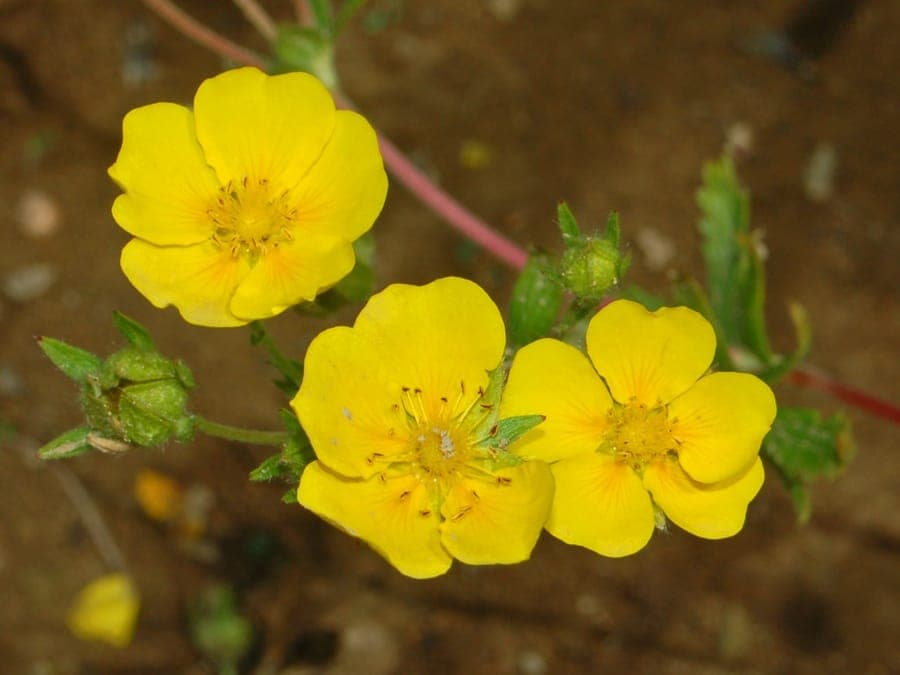
Flowers emerge in June and peak during July and August, displaying bright golden-yellow petals arranged in the classic five-petaled Potentilla form. They grow in small clusters above the foliage canopy, creating a luminous yellow blanket when in full bloom. The flowers attract pollinators and carry a subtle, pleasant fragrance that enhances their garden value.
Ideal Location
Potentilla delphinensis thrives in full sun to light partial shade. For optimal flowering, position it where it receives at least 6 to 8 hours of direct sunlight daily. In warmer climates, afternoon shade provides beneficial protection from intense summer heat.
Being an alpine species, wind exposure poses no challenge. Position this plant in a sunny, well-ventilated location in your garden. In rock gardens and alpine meadows, it finds its natural expression. Avoid deep shade and perpetually wet, shaded sites that compromise vigor.
Soil
Soil composition is crucial for success with this species. Potentilla delphinensis performs best in well-draining, slightly acidic soil with a pH between 5.0 and 5.5. Alpine soils are naturally lean and acidic, so replicate these conditions in cultivation.
Amend planting soil with extra sand and grit (approximately 30-40%) to enhance drainage. For container cultivation, use a mix of alpine soil, sharp sand, and gravel. A layer of stone chips around the plant base aids moisture drainage and protects against basal rot.
Watering
While more moisture-tolerant than many alpine species, Potentilla delphinensis requires regular but moderate watering. Water when the soil surface feels dry to the touch, but never allow complete desiccation. During the growing season (spring and summer), water more frequently; in autumn and winter, reduce substantially.
Always ensure perfect drainage. Standing water proves fatal to this plant. Avoid overhead watering that wets the foliage, as this invites rot. Water at soil level, preferably in the morning.
Diseño gratis
¿Quieres ver Potentilla delphinensis: complete guide en tu jardín? Crea un diseño gratis ahora.
Pruning
Potentilla delphinensis demands minimal pruning intervention. Deadhead spent flowers regularly to encourage continuous blooming throughout the season. This simple practice stimulates the plant to produce additional flower clusters.
After the growing season, gently remove damaged or dead foliage. Avoid aggressive cutting that damages plant structure. This is not a plant for heavy-handed pruning; maintaining integrity yields better results.
Maintenance Calendar
Spring (March-May): Water moderately as growth begins. Check drainage systems. Remove dead material from the previous season.
Summer (June-August): Flowering season arrives. Water regularly during dry spells. Remove faded flowers. Enjoy the golden display.
Autumn (September-November): Reduce watering gradually. Protect against excessive moisture.
Winter (December-February): Minimal maintenance required. Plant enters dormancy. Maintain optimal drainage throughout.
Winter Hardiness
Potentilla delphinensis is extremely cold-hardy, tolerating temperatures from minus 10 to minus 15 degrees Celsius without issue. As an alpine species, this plant evolved to endure harsh mountain winters. Additional protection is unnecessary across Europe.
In exceptionally wet winters, root rot becomes a concern. Therefore, maintain superior drainage year-round. Excessive moisture in winter poses greater risk than freezing temperatures.
Companion Plants
Potentilla delphinensis pairs beautifully with other alpine species. Creeping Phlox, dwarf Dianthus, and similar low-growing mountain natives form natural garden combinations. Plant alongside fine-textured green foliage plants for visual contrast and depth.
In rock gardens, create stunning groupings with Sedum varieties and alpine grasses. For color harmony, incorporate blue-flowering plants such as Veronica to create dynamic combinations. Yellow and blue form a classic, pleasing contrast.
Closing
Potentilla delphinensis is a special plant for those who cherish alpine natural beauty. With its golden flowers and compact form, this Dauphiné treasure brings a slice of mountain heritage into your garden. With proper drainage and a sunny location, it thrives for years with minimal care.
Visit gardenworld.app for more information about alpine gardening. Explore our complete plant guides and learn how to transform your outdoor space. For inspiration and expert guidance, consult our design specialists via gardenworld.app.
Plant this magnificent buttercup in your alpine rock garden and enjoy years of golden blooms.
¿Quieres ver Potentilla delphinensis: complete guide en tu jardín? Crea un diseño gratis ahora.
Sube una foto, elige un estilo y obtén un diseño fotorrealista con lista de plantas en menos de un minuto.
Más de 10.000 jardines diseñados
Sin tarjeta de crédito


Plantas similares
Siberian crab apple: complete guide
Malus x robusta
Complete guide to the Siberian crab apple (Malus x robusta): location, soil, pruning, winter hardiness and the best companion plants for your garden.
Chinese flowering crabapple (Malus x spectabilis): complete guide
Malus x spectabilis
Meet the Chinese flowering crabapple (Malus x spectabilis): a classic spring bloomer with carmine buds and pink blossom.
Potentilla crassinervia: complete guide
Potentilla crassinervia
Potentilla crassinervia, the Corsican cinquefoil, grows wild on Corsica and Sardinia's peaks. Discover how to grow this hardy alpine rock garden gem.