
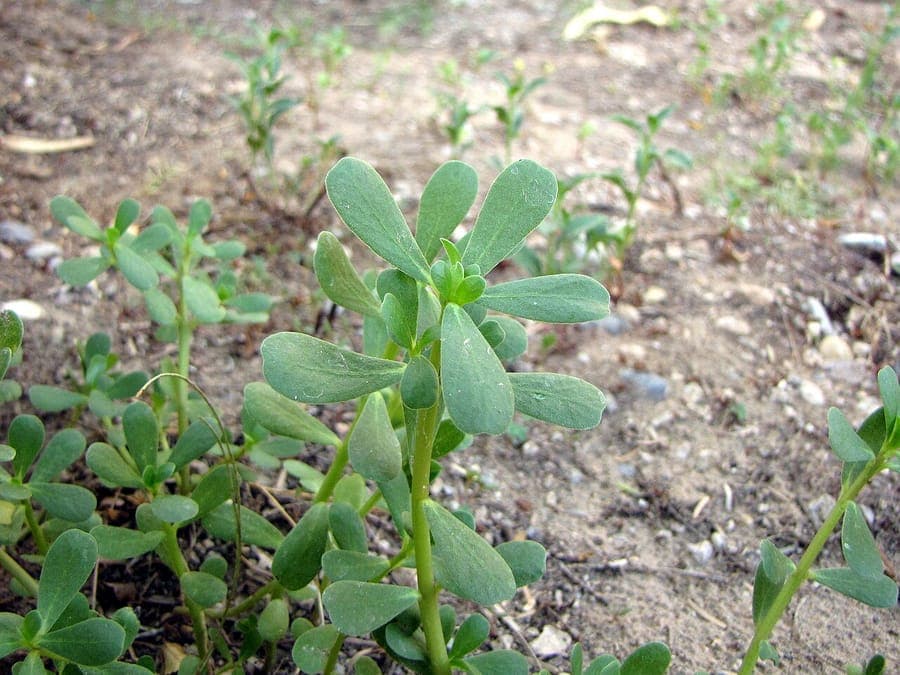
ZooFari / CC BY-SA 3.0, via Wikimedia Commons
Purslane: complete guide
Portulaca oleracea
¿Quieres ver Purslane: complete guide en tu jardín?
1 minuto, sin tarjeta de crédito
Overview
Purslane, scientifically known as Portulaca oleracea, is a versatile plant of dual value in garden and kitchen. Often dismissed as a weed, purslane deserves recognition as a low-maintenance vegetable and culinary herb. With its succulent, spoon-shaped leaves and delicate yellow flowers, purslane adds visual interest to summer gardens while providing exceptional nutrition.
The entire plant is edible and remarkably nutritious. Long cultivated in Mediterranean and Asian cuisines, purslane contains abundant omega-3 fatty acids, antioxidants, and minerals. Whether you are a novice gardener or experienced cultivator, purslane thrives with minimal intervention.
Appearance and bloom
Purslane grows as a low, spreading groundcover typically reaching 15-30 centimetres in height. The stems are reddish or greenish, thick, and fleshy with a waxy coating that reduces water loss. Leaves are small, spoon-shaped, glossy, and distinctly succulent - perfectly adapted to hot, dry conditions.
Flowers appear from June through September. Typically yellow, blooms may occasionally be pink or red depending on the cultivar. Flowers open in morning sunshine and close by midday. Following pollination, the plant develops small seed capsules containing numerous tiny seeds.
Ideal location
Purslane thrives in full sun. Provide at least six to eight hours of direct sunlight daily. The plant tolerates afternoon shade but grows more slowly and less robustly. A warm, south-facing location is optimal. Purslane surprisingly adapts well to windy locations, even in exposed settings.
The plant performs excellently in containers, window boxes, and raised beds. Both garden borders and dedicated vegetable patches work equally well. Discover inspiring location ideas on gardenworld.app.
Soil requirements
Purslane is remarkably soil-tolerant, growing in sandy, loamy, and even heavy clay soils. For optimal results, amend the soil with sand or gravel to improve drainage. The plant cannot tolerate waterlogged conditions and readily develops root rot in permanently wet soil.
Optimal pH ranges from neutral to slightly alkaline (7.0-7.5). Incorporate compost to enhance nutrient availability. In containers, standard potting mix works well when amended with additional sand.
Diseño gratis
¿Quieres ver Purslane: complete guide en tu jardín? Crea un diseño gratis ahora.
Watering
While drought-tolerant once established, purslane grows best with consistent moderate moisture. Water when the top centimetre of soil feels dry. Ensure drainage is excellent - stagnant water causes root rot and plant failure.
During dry summers, water once or twice weekly depending on soil type and sun exposure. Container plants require more frequent watering than in-ground specimens. A 2-3 centimetre mulch layer conserves soil moisture.
Pruning
Purslane requires no pruning for health, but regular harvesting encourages bushier growth. Pinch off young leaves and stem tips for kitchen use. This keeps plants compact and prevents them from becoming leggy and sparse.
Remove flowers if you prioritize leaf harvesting, as the plant diverts energy to seed production. Without pruning, purslane develops a sprawling, informal appearance that some gardeners find attractive.
Maintenance calendar
May-June: Sow seeds or transplant seedlings after the final frost. Prepare soil with compost incorporation.
July-August: Water regularly during dry periods. First leaf harvests possible. Flowering likely begins.
September: Continue harvesting leaves. Plant growth slows due to shortened days.
October-November: Plant dies back with first frost. Allow seed capsules to mature and dry on the plant for natural reseeding next spring.
Winter hardiness
Purslane is extremely frost-sensitive. Plants die when temperatures drop below freezing. In temperate climates, purslane functions as an annual vegetable. However, you can prevent winter loss by growing in containers and moving plants indoors for protection.
In warm, sheltered locations, plants occasionally survive winter, though this is unreliable. Many gardeners encourage natural reseeding: allow several plants to self-sow, and seedlings reappear spontaneously the following spring.
Companion plants
Purslane pairs excellently with other heat and drought lovers. Combine with lavender, thyme, oregano, and sage for a Mediterranean herb garden. In vegetable beds, plant alongside tomatoes, eggplants, and peppers.
Combinations with moss stonecrops and sedums create lovely textural contrast. Low-growing companions like creeping thyme and marjoram form an attractive understory.
Closing
Purslane deserves a place in every garden. Easy to grow, highly nutritious, and versatile: this remarkable plant rewards minimal effort with maximum returns. Begin with a few specimens and discover purslane's potential. Find everything you need at local garden centres. Visit gardenworld.app for personalized garden designs and plant inspiration.
¿Quieres ver Purslane: complete guide en tu jardín? Crea un diseño gratis ahora.
Sube una foto, elige un estilo y obtén un diseño fotorrealista con lista de plantas en menos de un minuto.
Más de 10.000 jardines diseñados
Sin tarjeta de crédito


Plantas similares
Acer pycnanthum: complete guide
Acer pycnanthum
Acer pycnanthum, the Japanese swamp maple, is a fast-growing tree with early red flowers and brilliant autumn color, ideal for damp garden settings.
Freeman maple: complete guide
Acer × freemanii
Everything about the Freeman maple (Acer x freemanii): a fast-growing shade tree with spectacular autumn colour for large gardens.
Silver vine: complete guide
Actinidia polygama
Discover silver vine (Actinidia polygama): a hardy climbing plant with silvery foliage, loved by gardeners and cats alike.