
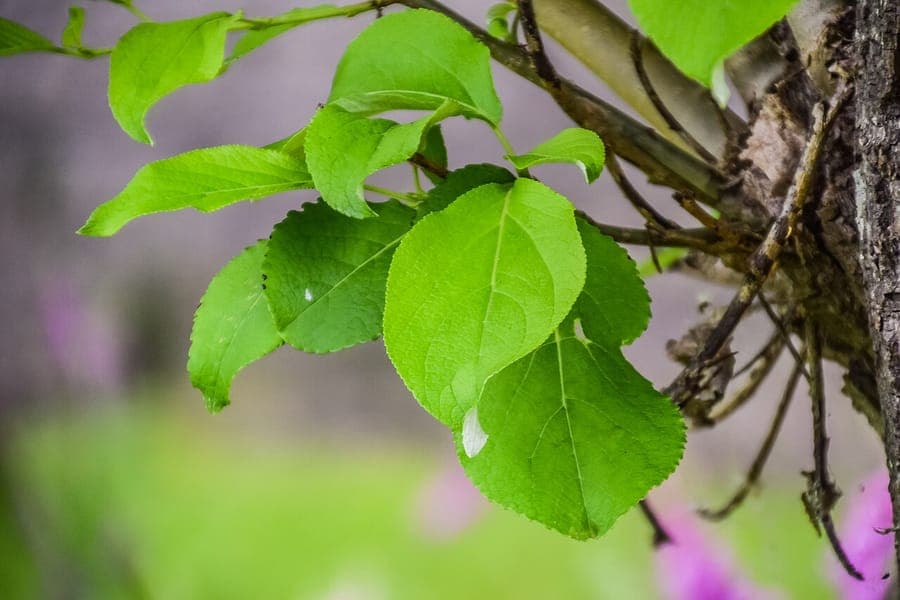
Krzysztof Golik / CC BY-SA 4.0, via Wikimedia Commons
Fragrant Poplar (Populus suaveolens): complete guide
Populus suaveolens
¿Quieres ver Fragrant Poplar (Populus suaveolens): complete guide en tu jardín?
1 minuto, sin tarjeta de crédito
Overview
Populus suaveolens, known as Fragrant Poplar or Siberian Balsam Poplar, is a fast-growing deciduous tree from the Salicaceae family (willow family). This tree originates from Siberian regions and naturally occurs from Siberia to Japan. With its large, aromatic leaves and slender form, Populus suaveolens represents an impressive choice for large gardens and landscape projects.
The tree is particularly valued for the pleasant fragrance its leaves and buds emit in spring. This makes it a sensorially pleasing plant that smells of vanilla and spices on warm spring mornings.
Appearance and bloom
Populus suaveolens grows rapidly to heights of 20-25 meters with an open, pyramidal crown in youth, becoming more rounded later. The leaves are oblong to elliptical, dark green on top and lighter beneath. In autumn they color yellow to golden-brown.
The tree is dioecious, meaning male and female trees are separate specimens. Male trees produce characteristic red catkins in early spring, before leaves emerge. Female trees produce longer, greenish catkins that open later in the season.
The fruits are seed plumes that arrive in considerable quantity and disperse copious seed. For many gardeners this is problematic, so preference for male specimens is common.
Ideal location
Populus suaveolens thrives best in full sun on open sites with considerable room for growth. The tree can reach 20-25 meters tall and 8-12 meters wide, so spatial planning is essential.
The tree is excellent for large open gardens, parks, and landscaped areas. It can also serve as a windbreak. Avoid planting positions directly adjacent to buildings, as root growth can be aggressive and may damage foundations.
The tree can tolerate modest water table fluctuations and grows well in areas with seasonal wet conditions.
Soil
Populus suaveolens grows on virtually all soil types, from acidic to alkaline. The tree is not fussy and grows well on poor, heavy clay to sandy soils. Well-draining soils promote faster growth.
The tree can tolerate waterlogged conditions for short periods, though this is not optimal. For best results, ensure well-drained to moderately moist soils.
Once established, fertilization is usually unnecessary, though young trees benefit from annual nitrogen feeding during their growing period.
Diseño gratis
¿Quieres ver Fragrant Poplar (Populus suaveolens): complete guide en tu jardín? Crea un diseño gratis ahora.
Watering
Populus suaveolens requires regular watering, especially in its first years. Ensure the tree receives consistent water, down to deep root penetration.
Once established (after 3-4 years), the tree can tolerate drought reasonably well, though growth becomes slow without adequate moisture. In very dry summers, supplemental watering may be necessary.
In container cultivation, watering requires more careful management than in-ground.
Pruning
Populus suaveolens requires minimal pruning. Allow the natural form to develop, though young branches can be removed to refine crown formation.
Remove only dead or severely damaged branches in winter. Excessive pruning can encourage storm damage and disease susceptibility.
In strong wind conditions, selective pruning of heavy branches may prevent wind damage.
Maintenance calendar
January-February: Prune damaged branches; inspect for diseases.
March-April: Feed young trees; check watering schedule.
May-September: Regular watering during dry spells.
October-November: Winter preparation; collect foliage.
December: No active maintenance.
Winter hardiness
Populus suaveolens is highly winter hardy, tolerating temperatures to -25 degrees Celsius or below. This makes it suitable for virtually all European regions.
Young shoots may experience frost burn in exceptional winters, but permanent damage is rare.
Companion planting
Populus suaveolens works well in large landscapes alongside other fast-growing deciduous trees such as Salix alba or Betula pendula. For woodland plantings, combine with Cornus, Sambucus, and other medium-growth shrubs.
Underplant with large drifts of Geum, Heuchera, or woodland evergreen perennials.
Closing
Populus suaveolens is a valuable tree for large gardens and landscape designs. For those with sufficient space seeking fast-growing shade trees, this represents an excellent choice.
Tree specimens are available through specialized tree nurseries. For garden design with fast-growing trees, visit gardenworld.app for recommendations.
With proper care, Populus suaveolens will provide decades of growth and shade in your landscape.
¿Quieres ver Fragrant Poplar (Populus suaveolens): complete guide en tu jardín? Crea un diseño gratis ahora.
Sube una foto, elige un estilo y obtén un diseño fotorrealista con lista de plantas en menos de un minuto.
Más de 10.000 jardines diseñados
Sin tarjeta de crédito


Plantas similares
Grey poplar: complete guide
Populus x canescens
Everything about Populus x canescens - a fast-growing hybrid poplar with silver-grey foliage, ideal as a windbreak or specimen tree in large gardens.
Populus adenopoda: complete guide
Populus adenopoda
Chinese aspen: a fast-growing tree for large gardens. Cultivation tips, pruning, and use as windbreak or shade tree.
Populus fremontii: complete guide
Populus fremontii
Fremont's cottonwood is a majestic American tree with rapid growth and drought tolerance. Read our guide for cultivation tips and garden integration.