
Hans Hillewaert / CC BY-SA 3.0, via Wikimedia Commons
Heath Milkwort: complete guide
Polygala serpyllifolia
¿Quieres ver Heath Milkwort: complete guide en tu jardín?
1 minuto, sin tarjeta de crédito
Overview
Heath Milkwort (Polygala serpyllifolia), a treasured wildflower of Atlantic Europe and the Azores, belongs to the Polygalaceae family. This graceful plant is especially valuable for its extended bloom season and preference for acidic soils. Unlike many other Polygalas, this species thrives on acid-loving conditions, making it essential for gardens with naturally acidic soil.
The plant excels in heathland, moorland, and alpine garden plantings. It performs beautifully in humus-rich sandy and peaty soils that provide moisture without waterlogging. This is a must-have for gardeners blessed with acid soils.
Appearance and Bloom
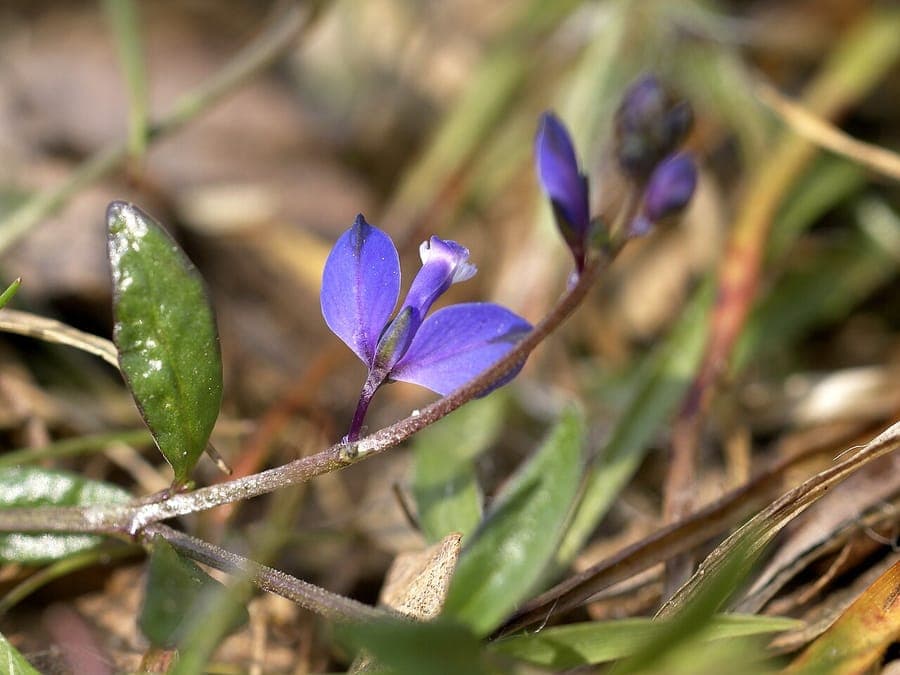
Heath Milkwort displays slender stems bearing delicate flowers in white, blue, and purple shades. Blooms are small but prolific, arranged in loose clusters. The leaves are long and narrow, almost thyme-like (from "serpyllum" = wild thyme), inspiring the botanical name. The flowering period extends from May through October, providing remarkably extended color.
Height typically reaches 10-20 centimeters, perfect for front placements and alpine troughs. Growth habit is low and spreading.
Ideal Location
Full sun to light partial shade works well. Unlike many Polygalas, this species tolerates more shade, though flowering may reduce. Ensure adequate ventilation, particularly in humid climates. Position in rock gardens, alpine troughs, or as ground cover on acidic soils.
The plant combines beautifully with heathers and other acid-loving ground covers. Avoid very hot, dry locations unless provided with deep mulch.
Soil
This is the critical factor: this plant REQUIRES acidic soil with pH between 4.0-4.5, lower than most garden plants. Test your soil before planting. Sandy and peaty soils are ideal. In neutral or alkaline soils, this plant will struggle and decline.
Add sphagnum peat or acidic sand to create the correct environment. Annual additions of acidic organic matter help maintain proper pH balance.
Diseño gratis
¿Quieres ver Heath Milkwort: complete guide en tu jardín? Crea un diseño gratis ahora.
Watering
Adequate moisture is essential, especially during growth and bloom. Plant in locations with higher atmospheric humidity if possible. Water regularly throughout the growing season. Never allow the soil to dry completely, but also prevent waterlogging.
Drip irrigation or subsurface watering works best. Summer rainfall usually suffices, but supplement during dry periods.
Pruning
Deadhead faded flowers regularly to encourage continued blooming. Light spring tidying removes any dead growth. After the main bloom flush (September), trim back to about half height.
This plant is sensitive to heavy pruning; avoid severe cutting.
Maintenance Calendar
February-March: Light tidying, add acidic compost mulch. April-May: Regular watering. June-September: Deadhead spent flowers, monitor for issues. October-January: Reduced maintenance.
Winter Hardiness
Winter hardiness varies by location. Throughout most of Europe to zone 7 (-17°C), this plant is usually hardy with good drainage. In extremely cold winters, especially with wetness, protection may be needed. Mulch the base in extreme cold.
Companion Plants
Group with other acid-loving plants: Erica, Calluna, Gaultheria, and other heaths. Rhododendrons provide excellent upright partners. Sedums and alpine pinks complement alpine combinations.
Grouping on acid-preferring species for optimal effect. Plant 3-5 per square meter for full ground coverage.
Closing
Heath Milkwort is a treasure for gardeners with acidic soils. Its extended bloom season, delicate flowers, and low-growing form make it indispensable. Discover why this plant deserves space in your acid-soil garden. Visit gardenworld.app for more plant knowledge!
gardenworld.app: your guide to acid-loving plants! gardenworld.app: where gardening becomes art!
¿Quieres ver Heath Milkwort: complete guide en tu jardín? Crea un diseño gratis ahora.
Sube una foto, elige un estilo y obtén un diseño fotorrealista con lista de plantas en menos de un minuto.
Más de 10.000 jardines diseñados
Sin tarjeta de crédito


Plantas similares
Rock milkwort: complete guide
Polygala rupestris
Everything about Polygala rupestris, the Mediterranean rock milkwort, for dry rock gardens and warm sunny spots with well-drained alkaline soil.
Polygala senega: complete guide
Polygala senega
Seneca snakeroot: a North American native herb with elegant flower spikes. Cultivation, care tips, and garden design ideas for mixed borders.
Alpen-Kreuzblume: complete guide
Polygala alpestris
Discover the elegant Alpen-Kreuzblume (Polygala alpestris), an alpine mountain plant with blue flowers perfect for rock gardens and alpine borders.