
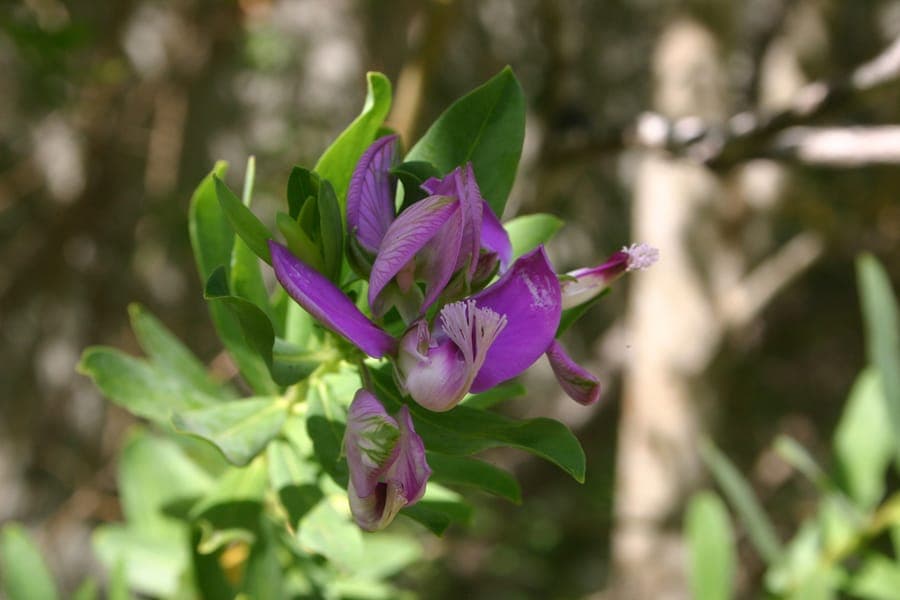
Paul venter / CC BY-SA 3.0, via Wikimedia Commons
Butterfly-bush: complete guide
Polygala myrtifolia
¿Quieres ver Butterfly-bush: complete guide en tu jardín?
1 minuto, sin tarjeta de crédito
Overview
The Butterfly-bush or Myrtle-leaf Milkwort (Polygala myrtifolia) is an elegant flowering shrub from South Africa that fits perfectly into gardens with Mediterranean or warm-temperate climates. This charming plant is highly valued for its spectacular flowers in shades of pink, purple, and white that appear in beautiful clusters. With its compact growth and glossy foliage, the Butterfly-bush forms an excellent choice for borders, patios, and even container cultivation.
The Butterfly-bush is a valuable shrub for modern gardens because of its long flowering period (May through October) and relatively low maintenance requirements. In warming European climate zones, it is increasingly becoming a popular choice for both beginners and experienced gardeners.
Appearance and Bloom
The Butterfly-bush is an elegant, upright to semi-trailing shrub that usually grows 0.5 to 1.5 meters tall, though under ideal conditions can reach 2 meters. The plant has small, glossy green foliage with a fine texture. The leaves are elongated and have a soft gray tint when young.
The flowers are the true highlight of this plant. They appear in loose, hanging clusters and have a characteristic shape with four large petals, two of which are significantly larger than the others - hence the name "butterfly-bush". Colors vary from pink, magenta, purple to white, depending on the cultivar. Many flowers have a dark base and fade to lighter towards the top.
The flowering period extends from May through October, with sometimes recurrent blooms in warming autumn months. This is a plant for blooming nearly the entire growing season.
Ideal Location
The Butterfly-bush thrives best in full sun to light shade locations. Ideally at least 6 hours of direct sunlight daily. In partial shade, it blooms less abundantly. This is a plant for the brighter corners of your garden.
The plant tolerates wind much better than many other Mediterranean shrubs. It is therefore suitable for more open, ventilated garden spots. In very warm zones, some afternoon shade during extreme heat can be beneficial.
For location preference: plant in a spot where it receives good light, but not directly under heat-reflecting warm walls.
Soil
The Butterfly-bush prefers well-draining soils with neutral to slightly acidic pH (7.0 to 7.5). This is a relatively nutrient-loving plant, unlike many other Mediterranean shrubs. The soil must not be waterlogging-prone.
Heavy clay soils should be improved by adding compost or sandy amendments. The plant tolerates poor, sandy soils poorly. A rich, well-working soil offers the best results.
For nutrition: this is a moderately nutrient-demanding species. Give during the growing season (April-September) a low-concentration blooming plant fertilizer once monthly. Overfertilizing can actually result in fewer flowers.
Diseño gratis
¿Quieres ver Butterfly-bush: complete guide en tu jardín? Crea un diseño gratis ahora.
Watering
The Butterfly-bush requires regular moisture, especially during the growing season. Water when the top 3-5 centimeters of soil feel dry, but ensure it never becomes waterlogged. This is an important distinction: regular but not waterlogged!
Once established, the plant can withstand several dry periods, but bloom and growth suffer. In very hot summers, daily watering may be necessary. In autumn, watering can gradually be reduced.
In pots: watering needs increase rapidly. Check potting soil regularly and water as soon as the top centimeter feels dry. Ensure good drainage in the pot.
Pruning
The Butterfly-bush responds well to pruning and is even better formed by regular pruning. A gentle pruning after blooming (October-November) helps keep the plant more compact and full. This also prevents the plant from becoming too tall and leggy.
Remove dead flowers regularly - deadheading - to stimulate blooming and keep the plant tidy. This can be done throughout the season.
In spring, before growth begins (March), more structural pruning can be done whereby up to a third of the previous year's growth is cut back. This stimulates bushy growth.
Maintenance Calendar
MAY-SEPTEMBER: Peak blooming period. Regular watering and deadheading. Monthly feeding. OCTOBER-NOVEMBER: Blooming decreases. Gentle pruning after blooming. Reduce watering. DECEMBER-FEBRUARY: Winter dormancy. Minimal water. No feeding. MARCH-APRIL: Growth resumes. Resume feeding. Structural pruning in March.
Winter Hardiness
The Butterfly-bush is hardy only to approximately -5 to -8 degrees Celsius. This makes it unsuitable for most of the Netherlands and Belgium outside the mildest coastal areas. The plant is susceptible to severe frosts.
In southern Europe (USDA zones 8b to 9), it can overwinter outdoors with protection from severe frosts. In more northern regions, it is typically a seasonal plant - outdoors in summer, indoors in winter, or replanted annually.
The best approach in non-Mediterranean areas: container cultivation where pots can be moved indoors in autumn. This provides much greater assurance of continuity and recurrent blooming.
Companion Plants
The Butterfly-bush pairs well with:
- Lavender - similar water and light requirements
- Rosemary - both drought-tolerant and sun-loving
- Cistus - rock rose, similar growing conditions
- Agapanthus - for height and structure in borders
- Salvia - varying hues, compatible growing schedule
Avoid heavy, moisture-retaining plants that require wetter soils.
Closing
The Butterfly-bush (Polygala myrtifolia) is a beautiful, valuable shrub for those with warmer gardens or who practice container cultivation. The long flowering period, elegant-looking flowers, and relatively simple care make it a favorite among flowering ornamental plants. In South Netherlands, coastal areas, and warming zones it is increasingly becoming a standard choice.
For plant material, we recommend local garden centers. For more flowering shrub inspiration, visit gardenworld.app and discover more guides. Enjoy creating a garden full of color with gardenworld.app!
¿Quieres ver Butterfly-bush: complete guide en tu jardín? Crea un diseño gratis ahora.
Sube una foto, elige un estilo y obtén un diseño fotorrealista con lista de plantas en menos de un minuto.
Más de 10.000 jardines diseñados
Sin tarjeta de crédito


Plantas similares
Rock milkwort: complete guide
Polygala rupestris
Everything about Polygala rupestris, the Mediterranean rock milkwort, for dry rock gardens and warm sunny spots with well-drained alkaline soil.
Polygala senega: complete guide
Polygala senega
Seneca snakeroot: a North American native herb with elegant flower spikes. Cultivation, care tips, and garden design ideas for mixed borders.
Alpen-Kreuzblume: complete guide
Polygala alpestris
Discover the elegant Alpen-Kreuzblume (Polygala alpestris), an alpine mountain plant with blue flowers perfect for rock gardens and alpine borders.