
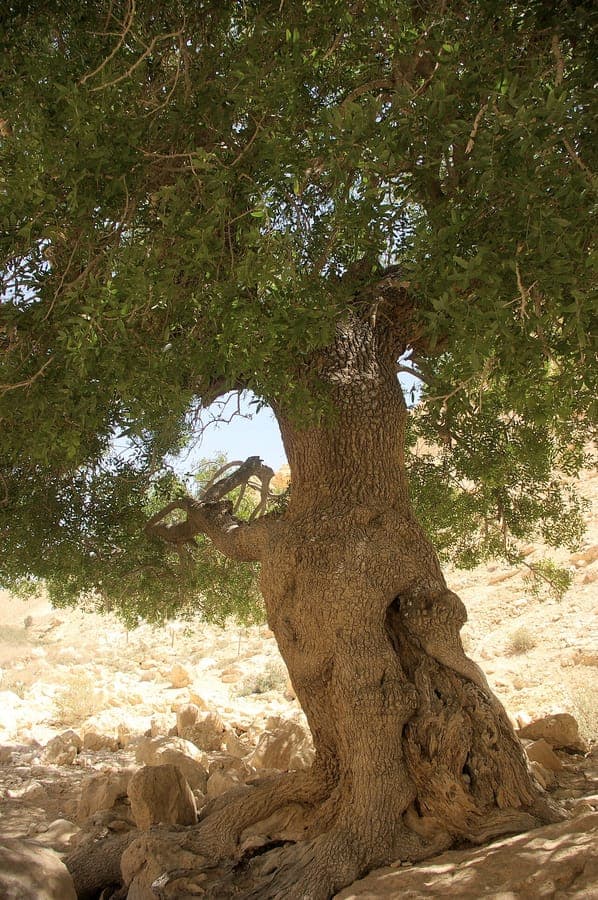
איתן פרמן / CC BY-SA 3.0, via Wikimedia Commons
Pistacia atlantica: complete guide
Pistacia atlantica
¿Quieres ver Pistacia atlantica: complete guide en tu jardín?
1 minuto, sin tarjeta de crédito
Overview
Pistacia atlantica, commonly known as the Atlantic pistachio or Moroccan pistachio, is a magnificent tree native to the Mediterranean and Middle East. This resilient species grows from North Africa through to Southwest Asia and is prized for its elegant structure and extreme hardiness. The tree typically reaches 10-15 meters in height, developing a broad, open crown that provides excellent shade.
Belonging to the Anacardiaceae family - the same family as the popular mastic tree - Pistacia atlantica is valuable not for commercial fruit production but for its aesthetic qualities and remarkable drought tolerance. At gardenworld.app, we help homeowners select Mediterranean specimens like this to transform their gardens.
Appearance and bloom
The Atlantic pistachio displays beautiful compound leaves with an airy, delicate appearance. The foliage is pinnately arranged, giving the entire canopy a light, refined quality. In early spring, subtle flowers emerge in soft yellow-green tones.
The fruits are distinctive droplet-shaped drupes that ripen from red to brown. While inedible, they provide visual interest throughout late summer and fall. The bark is grey and textured, adding significant winter character and structure to the landscape.
Flowering occurs typically from April to May, with fruit ripening in late summer. Together, these features create authentic Mediterranean garden atmosphere.
Ideal location
Pistacia atlantica thrives in warm, sunny positions. This tree absolutely requires six to eight hours of direct sunlight daily to flourish. Afternoon sun exposure is particularly beneficial.
The tree is remarkably drought-tolerant once established, making full sun exposure entirely appropriate. In fact, it prefers warm, dry locations to shaded ones. Provide protection from strong northerly winds, especially during the first growing year.
In the Netherlands and Belgium, position this tree in your garden's warmest microclimates - against a south-facing wall or on a raised terrace that absorbs heat.
Soil
The Atlantic pistachio is not fussy about soil type but performs optimally in well-draining substrates. Waterlogged conditions are the primary threat to this tree. Light to medium soil structure is ideal.
Amend planting holes generously with well-rotted compost or potting soil. This improves drainage and provides nutrients. On clay soils, add 5-10 cm of drainage material such as gravel or broken pottery beneath the planting hole.
The tree tolerates sandy, gravelly, and even rocky soils excellently, making it perfect for urban gardens with challenging soil conditions. Soil pH from 5.5 to 8.5 is acceptable.
Diseño gratis
¿Quieres ver Pistacia atlantica: complete guide en tu jardín? Crea un diseño gratis ahora.
Watering
Once established, regular watering is unnecessary. During the first growing year, however, careful hydration is important. Water thoroughly at planting and ensure roots don't completely dry out during the first three months.
During dry summer periods without rainfall, supplemental watering may be necessary, particularly for young specimens. Allow soil to dry between waterings. Once established (after two years), Pistacia atlantica requires almost no supplemental irrigation except during extreme droughts.
Minimal water is needed in winter. This tree prefers dry conditions during dormancy.
Pruning
Minimal pruning is required. Allow the tree to develop its natural form. Remove only dead or damaged branches in early spring. If necessary, you can subtly guide the shape by carefully removing ingrowing branches during the first two years.
Always prune in dry weather. The tree does not respond well to aggressive pruning. Strategic pruning can develop a single, straight stem - ideal for smaller gardens.
Older trees naturally shed lower or weaker branches, which is normal and part of the natural aging process.
Maintenance calendar
January to March: Check for winter damage. Light pruning if required.
April to May: Tree flowers. Monitor for pests. Avoid pruning during flowering.
June to August: Ensure adequate moisture during dry spells. Fruit ripens.
September to October: Apply slow-release fertilizer.
November to December: Prepare for winter. No watering.
Winter hardiness
Pistacia atlantica is hardy to approximately -12 degrees Celsius, though young trees require more protection. In northern Netherlands and Belgium, winters may exceed the tree's limits without shelter. In southern Netherlands and Belgium, it typically overwinters well.
During the first winters, protect young trees with burlap or bubble wrap around the trunk. This is especially important during the first two years. Once established, the tree tolerates fairly severe winters, particularly in protected locations.
Tip: Plant in spring so the tree has the entire growing season to establish before its first winter.
Companion plants
Pistacia atlantica combines beautifully with other Mediterranean species.
Underplanting: Lavender (Lavandula), rosemary, and sage create low-growing structure while sharing the same warm, dry preferences.
Climbers: Consider clematis or ivy to train against a south-facing wall near your tree.
Neighbors: Other Mediterranean trees such as ilex or carob work excellently nearby. Agapanthus and ornamental grasses complement the tree well.
Conclusion
Pistacia atlantica is an excellent choice for warmer regions in the Netherlands and Belgium. With minimal care once established, this Mediterranean gem can provide decades of beauty and structure to your garden. Whether developing a xeriscape plan or simply seeking a unique specimen tree - Pistacia atlantica is an investment you won't regret.
Visit gardenworld.app to discover how this tree fits perfectly into your garden design. Ask our experts for advice on placement and companion planting.
¿Quieres ver Pistacia atlantica: complete guide en tu jardín? Crea un diseño gratis ahora.
Sube una foto, elige un estilo y obtén un diseño fotorrealista con lista de plantas en menos de un minuto.
Más de 10.000 jardines diseñados
Sin tarjeta de crédito


Plantas similares
Skunkbush sumac: complete guide
Rhus trilobata
Everything about Rhus trilobata: siting, soil, autumn colour, pruning, and how this tough ornamental shrub earns a place in any garden.
Winged sumac: complete guide
Rhus copallinum
Everything about Rhus copallinum, the winged sumac with spectacular autumn colour. Location, pruning and garden value in full detail.
Aromatic sumac: complete guide
Rhus aromatica
Full guide to aromatic sumac (Rhus aromatica): planting, soil, care, pruning and companion plants for dry, sunny gardens and slope stabilisation.