
Sadarachmat / CC BY-SA 4.0, via Wikimedia Commons
Merkus Pine: complete guide
Pinus merkusii
¿Quieres ver Merkus Pine: complete guide en tu jardín?
1 minuto, sin tarjeta de crédito
Overview
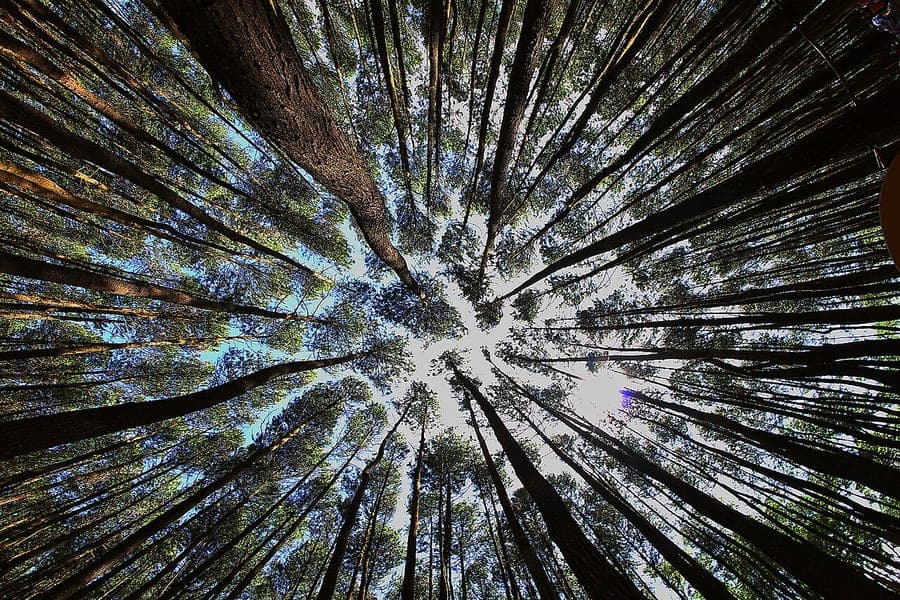
The Merkus Pine (Pinus merkusii), also known as Sumatran pine, is an impressive coniferous tree originating from Southeast Asia, particularly North Sumatra and the Philippines. This magnificent pine belongs to the Pine family (Pinaceae) and stands out for its elegant form and densely arranged needle clusters. In its native habitat, this tree reaches heights of 40-50 meters and serves as an architectural highlight in the landscape.
Appearance and Growth
The Merkus Pine grows as an upright, stately tree with a tapering crown. The trunk is covered with characteristic gray to brownish bark that peels in thin layers. The needles are finely arranged opposite the twigs, giving the tree a very fine, elegant texture. At maturity, the tree reaches a considerable size, making it ideal for large estates and parks. Growth is relatively rapid in warmer climates.
Ideal Location
Although the Merkus Pine originates from tropical mountain habitats, it can thrive reasonably well in temperate climates. Choose a location with full sun, at least 6 hours of direct sunlight daily. The tree has a strong preference for open spaces where it can grow fully without competition from other trees. Protection from strong winds in very windy locations is advisable, as young trees can be susceptible to wind damage. In southern parts of the Netherlands and Belgium, these trees can grow very well outdoors.
Soil
The Merkus Pine is not particularly critical regarding soil type but thrives best in well-draining soils. Acidic to neutral groundwater is ideal. The tree does not tolerate wet soils well; drainage is essential. For cultivation, a soil mixture of sand, gravel, and organic matter is excellent. Avoid very heavy clay soils unless you first significantly improve them with sand and organic material. The pH should ideally be between 5.5 and 6.5.
Watering
Once established, the Merkus Pine requires very little additional water and becomes drought-tolerant. In the first year after planting, water regularly, especially during dry periods. Ensure the soil does not completely dry out, but also prevent waterlogging. In temperate climates with normal precipitation patterns, you usually do not need to provide supplemental water. The tree is very adaptable to different moisture regimes, provided good drainage.
Diseño gratis
¿Quieres ver Merkus Pine: complete guide en tu jardín? Crea un diseño gratis ahora.
Pruning
The Merkus Pine requires very little pruning work. Let the tree assume its natural form. Remove only dead or damaged branches. Large pruning wounds should be avoided, as they heal slowly. For shaping young trees (if you desire a specific form), light pruning can be applied, but generally it is better to let the tree grow naturally. The natural growth habit is very attractive.
Maintenance Calendar
Spring: Check for winter damage. Remove damaged branches. Begin regular watering for young trees. Summer: Ensure consistent but not excessive watering during dry periods. Autumn: Reduce watering; the tree prepares for winter. Winter: In temperate climates, the tree enters dormancy. In very cold winters, light winter protection of young trees may be necessary.
Winter Hardiness
The Merkus Pine is less winter hardy than many other coniferous species. In northern parts of Europe (higher than USDA zone 8) it will struggle, especially in very severe winters. In southern Netherlands, Belgium, and northwest France, however, it can overwinter reasonably well. Young trees benefit from protection in their first winters. In very cold climates, it is better to grow this tree as a container plant and protect it in winter.
Companion Plants
Combines well with other conifers such as Mediterranean cypress, Cedar of Lebanon, or other tropical conifers to create an exotic tree landscape. Also interesting are combinations with other mountain trees from Southeast Asia. Eucalyptus and palm trees also form beautiful landscape combinations. This creates a unique, exotic garden habitat.
Closing
The Merkus Pine is a beautiful and architecturally interesting tree that transforms your landscape with its elegant form and tropical character. With sufficient space, well-draining soil, and regular care in the first years, this tree grows into a valuable landmark tree. Find inspiration on gardenworld.app for integrating exotic trees into your landscape design.
¿Quieres ver Merkus Pine: complete guide en tu jardín? Crea un diseño gratis ahora.
Sube una foto, elige un estilo y obtén un diseño fotorrealista con lista de plantas en menos de un minuto.
Más de 10.000 jardines diseñados
Sin tarjeta de crédito


Plantas similares
Abies delavayi: complete guide
Abies delavayi
Delavayi fir is an elegant, medium-sized coniferous tree from the Pinaceae family with dark green needles. This Asian evergreen is perfect for alpine gardens and large landscapes.
Taiwan fir: complete guide
Abies kawakamii
Discover the magnificent Taiwan fir, a rare evergreen conifer from Taiwan's mountain regions. Learn growth requirements, care tips, and why this beautiful tree is perfect for collectors of unique garden specimens.
Farges fir: complete guide
Abies fargesii
Discover the majestic Farges fir, an impressive conifer from China's mountains with elegant foliage and columnar form. Ideal for large gardens.