
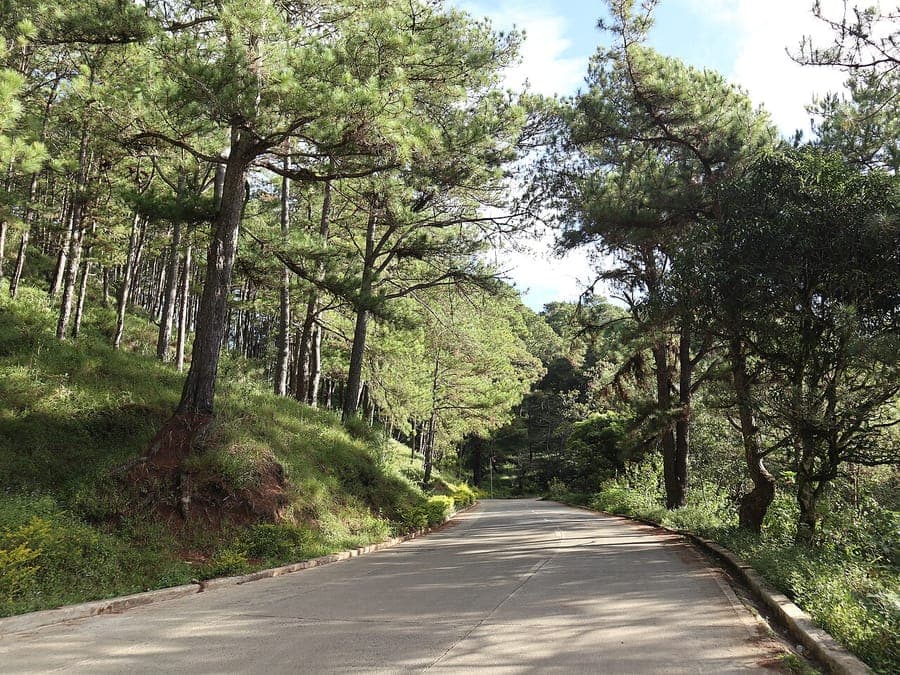
Patrickroque01 / CC BY-SA 4.0, via Wikimedia Commons
Pinus kesiya: complete guide
Pinus kesiya
¿Quieres ver Pinus kesiya: complete guide en tu jardín?
1 minuto, sin tarjeta de crédito
Overview
Pinus kesiya, commonly called Benguet pine or Khasi pine, is an impressive conifer native to the Himalayas, Assam, and Southeast Asian mountains. This fast-growing evergreen reaches 30-40 meters in its natural habitat and creates a striking silhouette in landscapes. Documented since 1840, it's valued for its ornamental quality in warmer climates worldwide.
Appearance and Bloom
The Benguet pine is characterized by long, slender needles arranged in bundles of three - a distinctive trait separating it from many other pine species. Needles are bright green and can reach 20 centimeters long. The bark is thick and rough with characteristic gray-brown coloring. Young shoots display yellow to reddish-brown tones. Male flowers emerge in spring as yellow pollen cones on new growth tips.
Ideal Location
Pinus kesiya thrives in sunny locations with at least six hours of direct sunlight daily. The tree requires substantial space - plant with minimum 5-6 meter spacing from other large plants and structures. In mixed plantings, it provides strong vertical emphasis and works well as a screen or backdrop specimen. Suitable regions: Southern Europe, Mediterranean climates, and warm zones (USDA 8-10).
Soil
The Benguet pine prefers well-draining soil with acidic to neutral pH (5.5-7.0). Heavy clay soil without drainage causes root problems. Amend generously at planting with organic matter - sand, perlite, and peat improve structure significantly. The tree tolerates lean soil quality if drainage is assured. Sandy mountain soil is ideal.
Watering
Once Pinus kesiya is established, it tolerates drought better than many species. In the first growing season, water regularly until roots penetrate deeply - approximately twice weekly during dry periods. Once mature, limit irrigation to once every two weeks except during heat waves. Winter watering is rarely needed in temperate climates. Overwatering causes more problems than underwatering.
Diseño gratis
¿Quieres ver Pinus kesiya: complete guide en tu jardín? Crea un diseño gratis ahora.
Pruning
The Benguet pine requires minimal maintenance pruning when growing healthily. Remove only damaged, diseased, or crossing branches in late winter/early spring. Wounds under 2.5 cm diameter heal quickly. Formative pruning isn't recommended - the tree naturally develops an attractive shape. Removing old branches improves air circulation and vigor.
Maintenance Calendar
February-March: Inspect for pests, remove damaged branches. April-May: Active growth period, monitor moisture balance. June-August: In warm climates provide supplemental water during dry spells. September-October: Moderate watering, preparation for dormancy. November-January: Minimal activity, winter rest.
Winter Hardiness
Pinus kesiya is hardy to approximately -5 to -10 degrees Celsius, depending on provenance and acclimation. In colder climates (average winter below -10C) it tolerates only brief frost periods. In warmer regions it grows vigorously. Newly planted young trees seem more frost-sensitive - protect with burlap or netting in the first year.
Companion Plants
The Benguet pine pairs well with other heat-loving plants: Yucca, Agapanthus, Echium, Cistus, and lavender create appropriate Mediterranean-oriented compositions. Low-growing junipers fill the base zone. Its deep shade prevents dense shrub growth beneath - plant generously spaced.
Closing Remarks
For an impressive, fast-growing conifer with exotic character and heat tolerance, choose Pinus kesiya. This tree transforms warmer region gardens with elegant needles and sculptural form. Suppliers in the UK carry established specimens; Germany (OBI, Hornbach) has wider selection for marginal zones. France (Truffaut) and specialized nurseries have seasonal stock. Visit gardenworld.app for design ideas.
What makes this species special: rapid growth (50+ cm yearly under favorable conditions) and quick development of an imposing silhouette. Ideal if you lack patience for slow conifers.
¿Quieres ver Pinus kesiya: complete guide en tu jardín? Crea un diseño gratis ahora.
Sube una foto, elige un estilo y obtén un diseño fotorrealista con lista de plantas en menos de un minuto.
Más de 10.000 jardines diseñados
Sin tarjeta de crédito


Plantas similares
Abies delavayi: complete guide
Abies delavayi
Delavayi fir is an elegant, medium-sized coniferous tree from the Pinaceae family with dark green needles. This Asian evergreen is perfect for alpine gardens and large landscapes.
Taiwan fir: complete guide
Abies kawakamii
Discover the magnificent Taiwan fir, a rare evergreen conifer from Taiwan's mountain regions. Learn growth requirements, care tips, and why this beautiful tree is perfect for collectors of unique garden specimens.
Farges fir: complete guide
Abies fargesii
Discover the majestic Farges fir, an impressive conifer from China's mountains with elegant foliage and columnar form. Ideal for large gardens.