
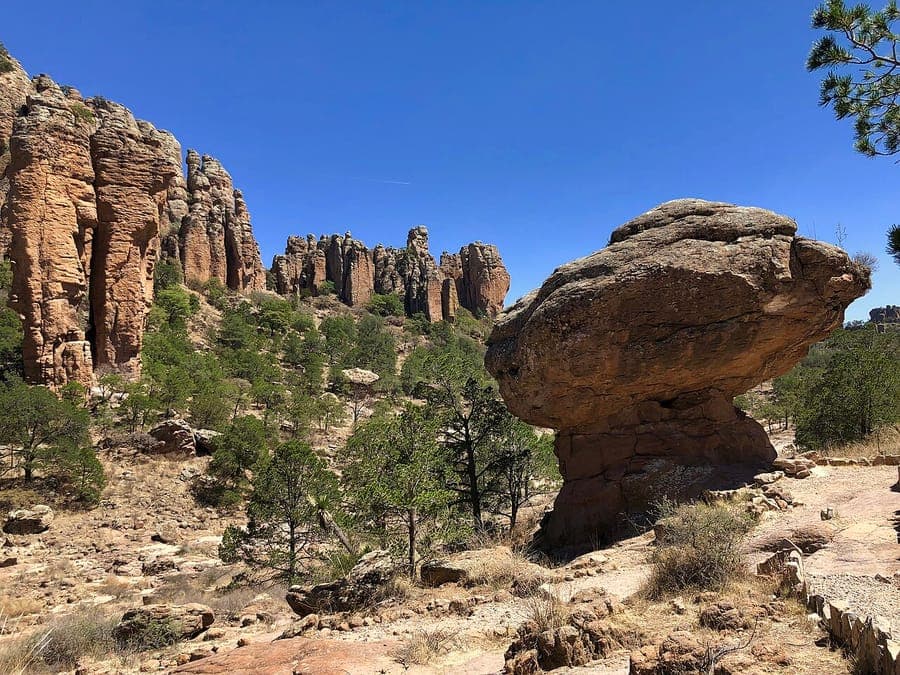
Tomás Esparza / CC BY-SA 4.0, via Wikimedia Commons
Pinyon pine: complete guide
Pinus cembroides
¿Quieres ver Pinyon pine: complete guide en tu jardín?
1 minuto, sin tarjeta de crédito
Overview
Pinyon pine (Pinus cembroides), also known as Mexican nut pine, is a small to medium-sized conifer native to the southwestern United States and Mexico. This unique pine distinguishes itself through its compact, attractive form and edible seeds that are widely used in Mexican cuisine. The tree typically grows 6-15 meters high and has a broad, dense canopy. Pinyon pine is extremely drought tolerant and thrives in warm, arid regions.
Appearance and growth
Pinyon pine has a compact, regularly pyramidal form with dense, bluish-green needles that are short and occur in bundles of two or three. The needles are very fine and give the tree a soft, almost feathery texture. The tree produces small, compact cones that are 4-5 cm long and contain large edible seeds. These seeds, known as pinons, are delicious and widely used in the cuisine and traditional medicine of Mexico and the southwestern United States. The tree grows slowly and reaches full size only after 20-30 years.
Ideal location
Pinyon pine grows best in full sun on warmer locations. The tree is extremely drought tolerant and thrives well in warm, sunny places. Ideal for warm, dry climates, steep slopes, and places where other trees won't grow. The tree is not suitable for shade or cold, wet climates. In temperate climates, it can only be planted in very good locations, preferably against a warm, south-facing wall.
Soil
Pinyon pine grows best in loose, well-draining, acidic to neutral soils. It accepts poor soils, rocky soils, and even very dry sands. The tree has a strong preference for well-draining soils and cannot tolerate waterlogging. Add sand to heavy clay soils. Pinyon pine also grows well in potting soil and gravel, as long as there is good drainage.
Diseño gratis
¿Quieres ver Pinyon pine: complete guide en tu jardín? Crea un diseño gratis ahora.
Watering
Once well-established, pinyon pine is extremely drought tolerant and requires little water. Young trees should be watered regularly until they develop deep roots. Once established, water only during very dry periods. The tree tolerates drought much better than excess water. Excessive water can cause root rot. In warm climates the tree grows quickly with regular, careful watering.
Maintenance
Pinyon pine requires virtually no maintenance pruning. An annual inspection for dead branches is recommended. The tree forms an attractive, natural shape without intervention. Remove only damaged or dead branches. In very warm climates, light pruning can help improve crown form.
Maintenance calendar
April-May: Bloom and early cones visible. Moisture control essential. June-August: Growing period. Regular (careful) watering during dry periods. September-October: Seed ripening. Harvesting possible. November-March: Winter dormancy. Minimal maintenance. Monitor moisture balance.
Winter hardiness
Pinyon pine is hardy to approximately minus 15 degrees Celsius (USDA zones 8-9). In temperate climates the tree will not tolerate severe frost unless well acclimated. In colder regions, shelter is essential. The tree grows best in warm, protected locations.
Companion plants
Pinyon pine pairs well with other drought-tolerant trees and shrubs such as oaks, junipers, and other Mediterranean plants. Underplant with drought-tolerant shrubs and ground covers. Avoid companion plants that require lots of water.
Conclusion
Pinyon pine is a unique, drought-tolerant tree that lends itself excellently to warm, dry gardens. Whether you want to harvest the edible seeds or simply seek a characterful, architectural tree, pinyon pine is an excellent choice. The tree grows slowly but is extremely long-lived.
Pinyon pine is not easy to obtain everywhere. Specialized nurseries and larger garden centers occasionally stock this tree. Check gardenworld.app for suppliers in your area. For more information about warm climate plants, visit gardenworld.app.
¿Quieres ver Pinyon pine: complete guide en tu jardín? Crea un diseño gratis ahora.
Sube una foto, elige un estilo y obtén un diseño fotorrealista con lista de plantas en menos de un minuto.
Más de 10.000 jardines diseñados
Sin tarjeta de crédito


Plantas similares
Abies delavayi: complete guide
Abies delavayi
Delavayi fir is an elegant, medium-sized coniferous tree from the Pinaceae family with dark green needles. This Asian evergreen is perfect for alpine gardens and large landscapes.
Taiwan fir: complete guide
Abies kawakamii
Discover the magnificent Taiwan fir, a rare evergreen conifer from Taiwan's mountain regions. Learn growth requirements, care tips, and why this beautiful tree is perfect for collectors of unique garden specimens.
Farges fir: complete guide
Abies fargesii
Discover the majestic Farges fir, an impressive conifer from China's mountains with elegant foliage and columnar form. Ideal for large gardens.