
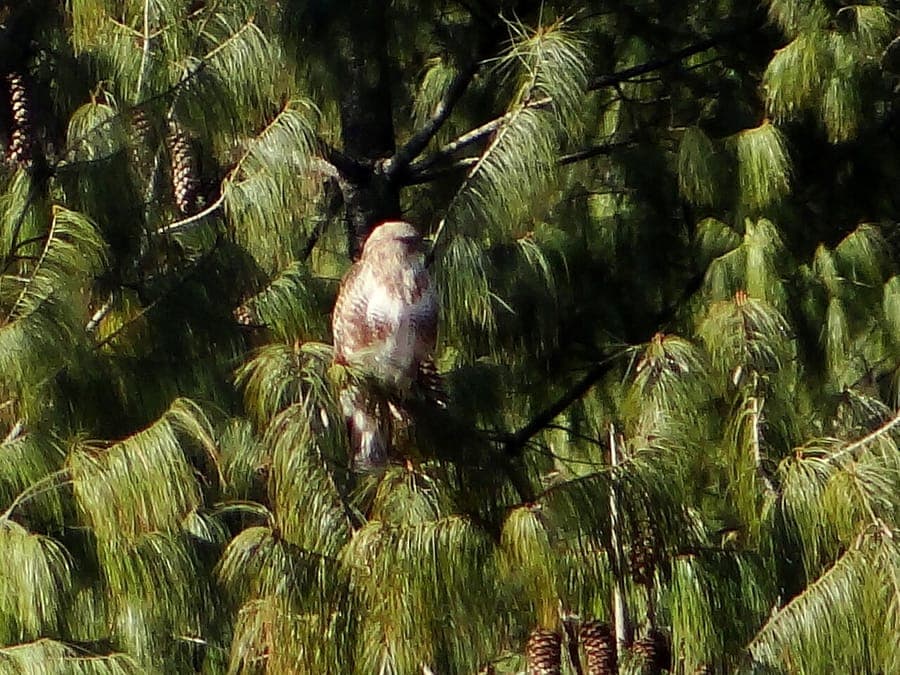
Geetanjalidhar / CC BY-SA 3.0, via Wikimedia Commons
Bhutan pine: complete guide
Pinus bhutanica
¿Quieres ver Bhutan pine: complete guide en tu jardín?
1 minuto, sin tarjeta de crédito
Overview
Pinus bhutanica, known as Bhutan pine or Bhutan white pine, is an elegant coniferous tree from the Pinaceae (pine) family. This tree naturally occurs in the Himalayan range from eastern Himalaya through China to Tibet. With its distinctive gray-green foliage and upright growth form, this tree adds winter hardiness and year-round ornamental value to alpine gardens.
Appearance and Growth
Bhutan pine grows as a medium to large tree reaching 20-30 meters in nature, though typically smaller in cultivation. The tree displays an upright, slender form with densely branched limbs. Needles are fine and distinctly whitish-green, grouped in bundles of five. In spring, cones appear first as purple structures, then mature to brown-gray. The tree maintains structured form year-round.
Ideal Location
Bhutan pine thrives in full sun with minimum 6 hours direct sunlight daily. Ensure free air circulation and good drainage. The tree is suitable for mountainous terrain, coniferous woodland gardens, and larger garden schemes. It thrives in USDA zones 3-7.
Soil
Pinus bhutanica prefers well-drained, slightly acidic soils. Sandy loam is ideal. The tree tolerates considerable drought once established. Waterlogging is fatal to pines. In heavy clay gardens, improve drainage by excavating deep holes and amending with sand.
Diseño gratis
¿Quieres ver Bhutan pine: complete guide en tu jardín? Crea un diseño gratis ahora.
Watering
Water regularly during the first two growing seasons while root systems establish. Once established, the tree is highly drought-tolerant. In exceptional drought, occasional watering helps. Excessive watering is more harmful than under-watering for pines.
Pruning
Minimal pruning is needed - unnecessary pruning disturbs natural form. Remove only dead or damaged branches. In very dense trees, light thinning improves air circulation. Avoid pruning during the growing season; late winter is best.
Maintenance Calendar
Spring: Monitor for winter damage. Light thinning if needed. Summer: Minimal maintenance required. Water during drought. Fall: No active maintenance. Winter: Protect young trees from heavy snow damage.
Winter Hardiness
Bhutan pine is exceptionally winter-hardy in USDA zones 3-7. It tolerates freezing temperatures and heavy snowfall excellently. Suitable for cold alpine climates. Young trees may benefit from protection against severe winds.
Companion Plants
Combine Bhutan pine with other Himalayan alpine plants. Small shrubs grow beneath it. Other conifers create composite woodland effects. Underplanting can be used carefully but avoid excessive density.
Closing
Bhutan pine brings alpine elegance and permanent ornamental value to cold climate gardens. With minimal maintenance over decades, this tree quietly grows in beauty. Visit gardenworld.app for alpine conifer garden guidance. Discover on gardenworld.app how to create your perfect mountain landscape garden.
¿Quieres ver Bhutan pine: complete guide en tu jardín? Crea un diseño gratis ahora.
Sube una foto, elige un estilo y obtén un diseño fotorrealista con lista de plantas en menos de un minuto.
Más de 10.000 jardines diseñados
Sin tarjeta de crédito


Plantas similares
Abies delavayi: complete guide
Abies delavayi
Delavayi fir is an elegant, medium-sized coniferous tree from the Pinaceae family with dark green needles. This Asian evergreen is perfect for alpine gardens and large landscapes.
Taiwan fir: complete guide
Abies kawakamii
Discover the magnificent Taiwan fir, a rare evergreen conifer from Taiwan's mountain regions. Learn growth requirements, care tips, and why this beautiful tree is perfect for collectors of unique garden specimens.
Farges fir: complete guide
Abies fargesii
Discover the majestic Farges fir, an impressive conifer from China's mountains with elegant foliage and columnar form. Ideal for large gardens.