
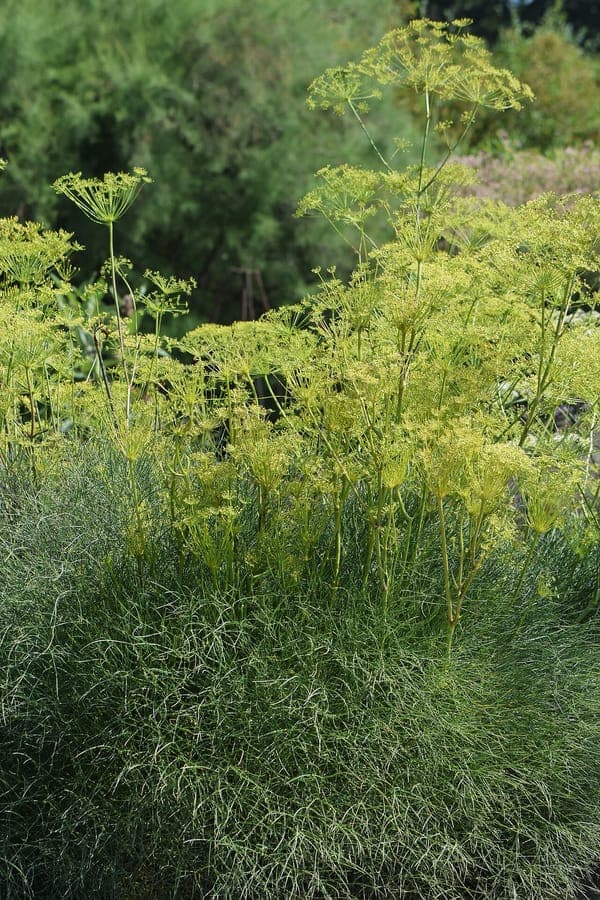
Krzysztof Ziarnek, Kenraiz / CC BY-SA 4.0, via Wikimedia Commons
Sulphurweed: complete guide
Peucedanum officinale
¿Quieres ver Sulphurweed: complete guide en tu jardín?
1 minuto, sin tarjeta de crédito
Overview
Sulphurweed (Peucedanum officinale), hog s fennel, is a fascinating medicinal and culinary herb from the Apiaceae family (carrot family). This stately herb bearing yellow flowers holds traditional value in European medicine and gardening. Preferred for minimalist gardens and historic herb collections.
Appearance and Bloom
Sulphurweed reaches 60 to 150 cm tall with round, hollow stems. Fine, feathery leaves are green, providing delicate texture. Flowers are small, bright yellow, arranged in flat to rounded flower clusters. Biennial to short-lived perennial, flowering in year two.
Ideal Location
Sulphurweed thrives in full sun requiring 6 to 8 hours direct daily sunshine. It favors open, breezy locations where air circulation proves excellent. Avoid densely shaded positions. Good drainage essential.
Soil
Sulphurweed demands well-drained, lightly alkaline soils (pH 7.5-8.0). It thrives in moderately fertile to moderately poor soils. Heavy clay requires amendment with sand and compost. Avoid rich feeding; moderate fertility optimal.
Watering
Sulphurweed tolerates drought reasonably well once established. Water regularly after planting until root establishment. Subsequently minimal watering except during persistent drought. Overwatering invites root rot.
Diseño gratis
¿Quieres ver Sulphurweed: complete guide en tu jardín? Crea un diseño gratis ahora.
Pruning
Pruning unnecessary. After blooming, remove faded flower clusters for neater appearance. Plant dies back toward fall dormancy. Remove dead above-ground parts spring.
Maintenance Calendar
Spring: Plant awakens. No feeding necessary. Summer: Growth and blooming period. Minimal watering. Autumn: Blooming concludes. Plant dies back. Remove dead material. Winter: Plant dormant. Minimal care needed.
Winter Hardiness
Sulphurweed is exceptionally cold-hardy in Netherlands (USDA zones 4-5), withstanding -20C without damage. Plant proves reliably durable throughout all winter conditions.
Companion Plants
Other yellow-flowering plants like mullein and marigolds integrate nicely. Wild lavender varieties provide color contrast. Foeniculum vulgare is botanical relative. Thyme and oregano suit medicinal gardens perfectly.
Closing Thoughts
Sulphurweed is a valuable herb with traditional medicinal heritage and garden beauty. Its yellow blooms and fine foliage provide elegant texture. For enthusiasts of traditional herbs, it proves essential. Available at specialty nurseries.
Explore more plant varieties at gardenworld.app!
¿Quieres ver Sulphurweed: complete guide en tu jardín? Crea un diseño gratis ahora.
Sube una foto, elige un estilo y obtén un diseño fotorrealista con lista de plantas en menos de un minuto.
Más de 10.000 jardines diseñados
Sin tarjeta de crédito


Plantas similares
Whorled carrot: complete guide
Daucus involucratus
Daucus involucratus is a Mediterranean umbellifer with white flower heads framed by lacy bracts. Growing this gravel garden gem.
Daucus muricatus: complete guide
Daucus muricatus
Daucus muricatus, the spiny wild carrot, grows wild on Mediterranean coasts. Discover sowing, June-July bloom, and wildflower meadow use.
Daucus pumilus: complete guide
Daucus pumilus
Daucus pumilus is a dwarf wild carrot relative with white lacy umbels, thriving on dunes and coastal rock in poor, fast-draining soil.