
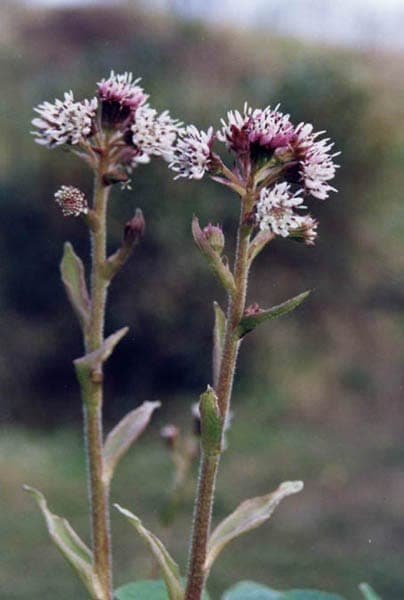
Ghislain118 (AD) http://www.fleurs-des-montagnes.net / CC BY-SA 3.0, via Wikimedia Commons
Winter heliotrope: complete guide
Petasites pyrenaicus
¿Quieres ver Winter heliotrope: complete guide en tu jardín?
1 minuto, sin tarjeta de crédito
Overview
Winter heliotrope (Petasites pyrenaicus), fragrant coltsfoot, is a scented perennial from the Asteraceae family from Mediterranean regions. This winter-blooming plant delivers surprising fragrance in coldest months, releasing vanilla and honey notes. Frost-hardy and resilient.
Appearance and Bloom
Winter heliotrope reaches 30 to 60 cm tall, blooming earlier than nearly all garden plants. Tiny florets cluster in dense, elongated spikes of soft yellow to cream. Large, rounded, heart-shaped foliage provides textural interest. Flowers appear December through March.
Ideal Location
This plant thrives in full sun to partial shade, requiring minimum four hours of direct sunshine. Sunny positions foster strongest growth and richest blooms. Partial shade proves acceptable though growth shows less vigor. Shield from fierce autumn winds.
Soil
Winter heliotrope prefers neutral to slightly alkaline soils (pH 7.0-7.5). Excellent drainage is essential. Loamy, moderately fertile soils suit best. Add lime-rich materials in acidic gardens. Moderate fertility yields finest blooms.
Watering
Water moderately. Irrigate thoroughly during dry periods only. This plant tolerates drought better than most. Once spring emerges, reduce watering to minimum. During growing months water cautiously without waterlogging.
Diseño gratis
¿Quieres ver Winter heliotrope: complete guide en tu jardín? Crea un diseño gratis ahora.
Pruning
Pruning unnecessary. After blooming, remove withered flower clusters for tidier appearance. Delete damaged foliage. Avoid aggressive cutting as regrowth proves limited.
Maintenance Calendar
Autumn: Plant awakens from summer dormancy. Add modest feeding. Winter: Prime blooming season! Regular pest monitoring. Minimal watering. Spring: Blooming concludes. Remove faded flowers. Growth slows. Summer: Plant dormancy. Minimal water.
Winter Hardiness
Winter heliotrope proves exceptionally hardy throughout Netherlands (USDA zones 7-8). Foliage may wilt under severe frost. Plants regenerate reliably from roots. Container specimens need fleece protection during extreme cold.
Companion Plants
Saxifrages and alpine phlox work beautifully alongside. Silver-foliaged plants like Senecio provide textural contrast. Winter hellebores bloom concurrently. Lavender and thyme integrate botanically well.
Closing Remarks
Winter heliotrope transforms cold-season gardens with fragrance and color when most companions rest. Its vanilla scent warms winter afternoons. For adventurous gardeners seeking year-round interest, this is precious. Available at specialty nurseries.
Discover more plant varieties at gardenworld.app!
¿Quieres ver Winter heliotrope: complete guide en tu jardín? Crea un diseño gratis ahora.
Sube una foto, elige un estilo y obtén un diseño fotorrealista con lista de plantas en menos de un minuto.
Más de 10.000 jardines diseñados
Sin tarjeta de crédito


Plantas similares
Calendula stellata: complete guide
Calendula stellata
Complete guide to Calendula stellata, the star-flowered marigold from Sicily: location, soil, watering and companion planting tips.
Korean chrysanthemum: complete guide
Chrysanthemum x rubellum
Chrysanthemum x rubellum is a hardy autumn perennial with single pink to copper flowers from August to November. Care and combinations.
Helianthus divaricatus: complete guide
Helianthus divaricatus
Helianthus divaricatus is a North American woodland sunflower with yellow summer blooms, ideal for naturalistic borders and shady edges.