
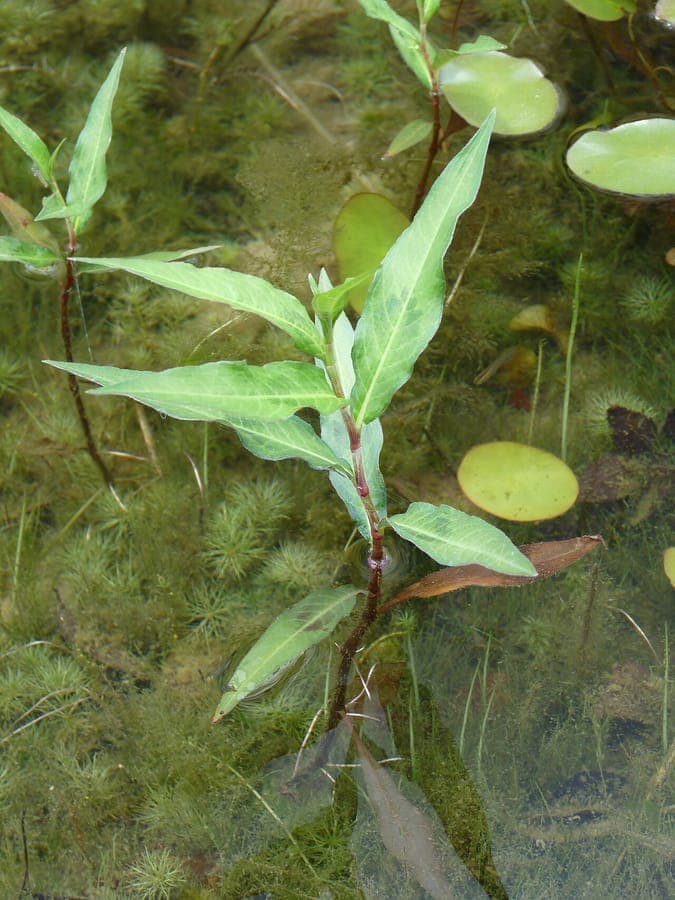
Show_ryu / CC BY-SA 3.0, via Wikimedia Commons
Water-pepper: complete guide
Persicaria hydropiper
¿Quieres ver Water-pepper: complete guide en tu jardín?
1 minuto, sin tarjeta de crédito
Overview
Water-pepper (Persicaria hydropiper) is an annual plant belonging to the knotweed family (Polygonaceae). This versatile waterside plant thrives in wet locations and along damp margins where moisture remains constant. Known for its distinctive peppery taste and used historically across many cultures, water-pepper brings a wild, natural character to any front garden.
The plant is remarkably adaptable. It grows quickly, requires minimal care, and adds fine texture and subtle colour to water-rich garden areas. Water-pepper is non-toxic to pets and does not form invasive colonies when properly managed.
Appearance and Bloom
Water-pepper is a slender, branching plant typically reaching 20-60 centimetres in height. The stems are green to reddish, especially in warm weather. The leaves are elongated and lance-shaped, approximately 5-8 centimetres long, with smooth margins.
Delicate flowers appear from July through October in narrow, upright spikes. Blooms range from white to pale pink and are remarkably dainty. They attract numerous pollinators, especially bees and butterflies. Following bloom, small glossy fruits develop and are dispersed by birds.
Ideal Location
Water-pepper flourishes in full to partial sun conditions. The plant can tolerate partial shade, though flowering becomes less prolific. Provide shelter from strong winds, as stems are soft and brittle. Waterside locations and along ditches represent ideal placements.
This plant suits diverse water features, from marshy areas to streamside plantings. This versatility makes it excellent for natural water garden design and ecological landscaping.
Soil
Water-pepper prefers rich, consistently moist to wet soils. Sandy, clay, and muddy substrates all work well provided they retain adequate moisture. The pH should range from neutral to slightly acidic. Amend poor soils with compost or garden manure.
Within water features, plant directly into mud. Ensure the soil does not completely dry during dry periods.
Diseño gratis
¿Quieres ver Water-pepper: complete guide en tu jardín? Crea un diseño gratis ahora.
Watering
Water-pepper demands abundant moisture. Keep soil consistently wet throughout the growing season. During dry summers, supplemental watering may be necessary. Ideal placement is along water margins or in shallow water features where roots remain perpetually moist.
Watch for waterlogging during frost periods; ensure proper drainage in winter.
Pruning
Water-pepper requires minimal pruning. Remove spent flowers and damaged stems as needed. At season's end, you may cut the entire plant to ground level. This encourages compact growth the following season.
Maintenance Calendar
Spring: Plant cuttings in April-May. Check moisture levels and add compost. Summer: Water regularly. Remove faded flowers for extended bloom. Autumn: Collect seeds for next season. Remove debris. Winter: Mulch soil with leaf humus. Plant dies; seeds overwinter.
Winter Hardiness
Water-pepper is not cold-hardy in Northern Europe. As an annual plant, it dies back in autumn. However, seeds can overwinter and regrow the following spring, making it a reliable returning plant without replanting.
Companion Plants
Water-pepper grows beautifully alongside other aquatic plants such as water mint, bittersweet, and various sedges. This combination attracts visiting birds naturally. Pairing with low-growing water plants creates an attractive naturalistic appearance.
Closing Thoughts
Water-pepper is an underrated treasure for waterside gardens and wet areas. With delicate flowers, rapid growth, and effortless care, it suits low-maintenance gardens perfectly. For those who value natural water design without complicated engineering, this is an ideal selection.
You will find water-pepper at major garden retailers. For additional information about waterside plants, visit gardenworld.app. Enjoy creating your own water-pepper water garden!
¿Quieres ver Water-pepper: complete guide en tu jardín? Crea un diseño gratis ahora.
Sube una foto, elige un estilo y obtén un diseño fotorrealista con lista de plantas en menos de un minuto.
Más de 10.000 jardines diseñados
Sin tarjeta de crédito


Plantas similares
Crosby's wild buckwheat: complete guide
Eriogonum crosbyae
Full guide to growing Eriogonum crosbyae: ideal site, soil, watering, winter hardiness and companion plants for this rare western wild buckwheat.
Spreading buckwheat: complete guide
Eriogonum effusum
Full guide to growing Eriogonum effusum: ideal site, soil, watering, winter hardiness and companion plants for this prairie subshrub from the American West.
Tall woolly buckwheat: complete guide
Eriogonum elatum
Full guide to Eriogonum elatum: siting, soil, watering, pruning and companion plants for this elegant white-flowered buckwheat from the western United States.