
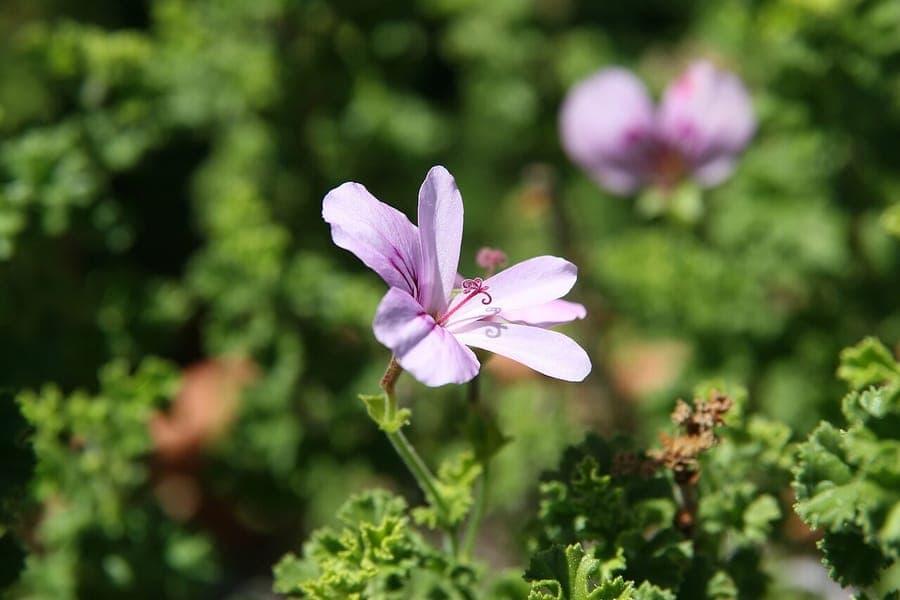
Photo by David J. Stang / CC BY-SA 4.0, via Wikimedia Commons
Lemon geranium: complete guide
Pelargonium crispum
¿Quieres ver Lemon geranium: complete guide en tu jardín?
1 minuto, sin tarjeta de crédito
Overview
Pelargonium crispum, commonly called the Lemon geranium, is a delightful variety from the Geraniaceae family native to South Africa. Despite its common name, it is not a true geranium but rather a scented-leaf pelargonium prized by gardeners and herbalists worldwide. The plant is celebrated for its distinctive aromatic, ruffled foliage that releases a fresh, citrusy fragrance when touched.
This compact grower thrives in containers and small garden spaces, making it perfect for patios, windowsills, and herb gardens. With proper care, a single plant can provide years of fragrant enjoyment.
Appearance & bloom
The defining feature of Pelargonium crispum is its beautifully crimped and ruffled foliage. The name "crispum" refers to this distinctive leaf texture-edges are delicately wrinkled, creating a lush, textured appearance. When brushed lightly, the soft, velvety leaves emit a strong lemon fragrance.
Small flowers appear in shades of pink, white, or lilac, clustering in neat umbels. Blooms typically appear from May through September in optimal conditions, providing color and additional charm alongside the aromatic foliage. The flowering display, while modest, is charming and continuous throughout the growing season.
Ideal location
Choose a position with abundant bright light for your Lemon geranium. The plant requires a minimum of 6-8 hours of direct sunlight daily to thrive and bloom prolifically. A south-facing windowsill or an outdoor spot receiving morning and early afternoon light is ideal.
Indoors, position the plant near a sunny window. In summer, intense afternoon sun can occasionally scorch leaves; in such cases, light afternoon shade benefits the plant. Outdoors, place the plant on a balcony or terrace where it receives good air circulation. Avoid locations with strong wind, which can damage the delicate foliage.
Soil
Use well-draining potting soil for Pelargonium crispum. These plants do not tolerate waterlogged soil. An ideal mix comprises:
- 60% all-purpose potting soil
- 20% coarse sand or perlite
- 20% compost
Ensure the pot has adequate drainage holes. This prevents root rot, the primary threat to geranium health. Alternatively, use premixed cactus soil, which typically provides excellent drainage without additional amendment.
Diseño gratis
¿Quieres ver Lemon geranium: complete guide en tu jardín? Crea un diseño gratis ahora.
Watering
Watering is crucial but requires restraint. Geraniums prefer drier conditions between waterings. Water when the top inch of soil feels dry to the touch. In summer, you may water more frequently, ensuring water drains fully between applications.
Reduced watering in winter supports dormancy and prevents rot during the slower growth phase. Using room-temperature rainwater or tap water is preferred over cold water from the faucet.
Pruning
The plant's naturally compact growth habit minimizes pruning requirements. However, remove:
- Dead or yellowing leaves
- Spent flower clusters (encourages continued blooming)
- Leggy stems disrupting plant form
Prune in early spring as growth resumes. This encourages a fuller, bushier form. Pruned cuttings can be propagated to create new plants.
Maintenance calendar
Spring (March-May): Initiate feeding and monitor for pests. Move outdoors once frost danger passes.
Summer (June-August): Water regularly, feed weekly, deadhead spent flowers. Keep outdoors for optimal growth.
Autumn (September-October): Bring indoors before temperatures drop below 10°C. Gradually reduce watering.
Winter (November-February): Minimal feeding, sparse watering. Provide cool, bright location away from heating vents.
Winter hardiness
Pelargonium crispum is not frost-hardy. In temperate climates, bring the plant indoors before the first frost. The plant cannot survive temperatures below 5°C.
A cool, bright windowsill without drafts provides ideal winter quarters. With proper winter care, the plant will return vigorously in spring.
Companion plants
Lemon geranium pairs beautifully with:
- Hedera (ivy) for trailing arrangements
- Petunias in complementary hues
- Lobelia for color accent
- Other fragrant plants like lavender in garden settings
Conclusion
The Lemon geranium is a delightful addition to any gardener's collection. With attention to drainage and adequate light, you'll enjoy a healthy, flowering specimen for years. Discover more plants and garden designs on gardenworld.app for inspiration and professional landscape advice. Start your garden transformation today with expert guidance from gardenworld.app.
¿Quieres ver Lemon geranium: complete guide en tu jardín? Crea un diseño gratis ahora.
Sube una foto, elige un estilo y obtén un diseño fotorrealista con lista de plantas en menos de un minuto.
Más de 10.000 jardines diseñados
Sin tarjeta de crédito


Plantas similares
Pelargonium acetosum: complete guide
Pelargonium acetosum
Discover the Sorrel-leaf Geranium: a South African plant with aromatic foliage. Perfect for containers and warm locations. Learn cultivation and care.
Erodium foetidum: complete guide
Erodium foetidum
Rock stork's-bill is a delicate alpine plant with purple flowers and fine foliage. Learn how to grow this Mediterranean charmer in your front garden.
Pelargonium crithmifolium: complete guide
Pelargonium crithmifolium
Discover Samphire-leaf pelargonium: an exotic South African geranium with distinctive foliage. Growing tips, care advice and garden inspiration.