
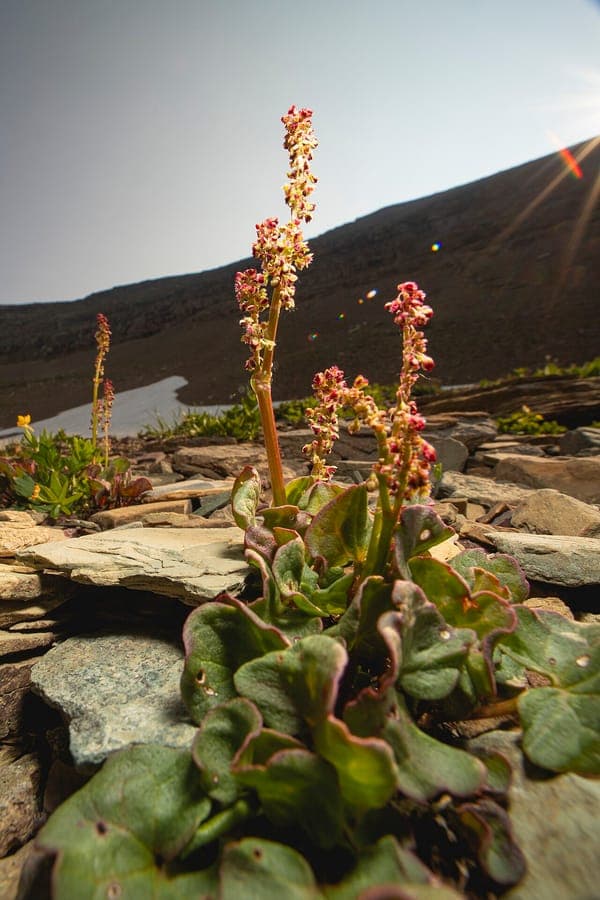
Dani.j.lombardi / CC BY-SA 4.0, via Wikimedia Commons
Alpine mountain-sorrel: complete guide
Oxyria digyna
¿Quieres ver Alpine mountain-sorrel: complete guide en tu jardín?
1 minuto, sin tarjeta de crédito
Introduction
The alpine mountain-sorrel, scientifically known as Oxyria digyna, is a fascinating alpine plant native to subalpine and subarctic mountain regions. This compact plant is highly suitable for lovers of rock gardens or alpine plant species. With its small yet attractive reddish flowers and characteristic kidney-shaped leaves, this plant brings a piece of authentic mountain nature into your garden or rock garden. This guide covers everything you need to know about successfully growing this special alpine species.
Overview
Oxyria digyna is a small perennial plant that has adapted to the harsh conditions of mountain regions and arctic zones. The plant reaches a height of only 10-25 centimeters and forms compact rosettes. This species is particularly valuable for specialized garden elements such as rock gardens, alpine troughs and high-alpine plant collections. The plant thrives best in cold, well-drained environments and typically fails in warm, humid climates. The flowers are small, reddish to green, and appear in compact racemes.
Appearance and Bloom
Mountain-sorrel is characterized by its distinctive kidney-shaped or heart-shaped leaves that grow in basal rosettes. The leaves have a fresh green color and can display red spots or tints, especially in full sun. This is a natural adaptation to UV radiation in the mountains. The leaves are succulent and give the plant a fleshy appearance.
Flowers appear from June to August and are relatively inconspicuous - small green or reddish flowers in dense racemes atop thin, red stems. Although not spectacular in bloom, these flowers have a delicate beauty characteristic of alpine flora. After blooming, small winged fruits follow that disperse easily.
Ideal Location
Alpine mountain-sorrel requires full sun to light shade. Plant this in a location with at least 4-5 hours of direct sunlight daily. The plant learns optimally to cope with cold, windy conditions and reacts poorly to sheltered, warm spots. The perfect environment is a rock garden with rocks that provide afternoon shade and protection from strong winds.
In warmer areas, you can better place the plant in the northeast part of the rock garden where morning light is somewhat less intense. Good ventilation is essential - alpine plants hate moisture buildup.
Diseño gratis
¿Quieres ver Alpine mountain-sorrel: complete guide en tu jardín? Crea un diseño gratis ahora.
Soil
Alpine mountain-sorrel requires a very well-drained, mineral-rich soil. Use a mixture of approximately 40 percent coarse sand or gravel, 30 percent perlite and 30 percent potting soil. This simulates the stony alpine soil to which this plant has adapted. A pH between 6.5 and 7.5 is ideal. Ensure drainage is excellent - poorly drained soil almost certainly leads to plant failure.
Mulching with coarse gravel helps balance moisture evaporation and simulates the natural stony habitat.
Watering
Alpine mountain-sorrel has moderate moisture needs. Although the plant needs water, the soil should never remain waterlogged. Water carefully and ensure water drains well. During the growing season (spring and summer) water when the soil surface feels dry. In winter, when the plant grows slowly, watering can be reduced to a minimum.
Since alpine plants naturally grow under snow during winter, they can tolerate wet conditions in certain seasons. However, permanent water excess is fatal.
Pruning
Pruning is not necessary for alpine mountain-sorrel. The plant grows compact and forms beautiful rosettes naturally. You can gently remove yellowed leaves to keep the plant tidy. Damaged foliage can be removed.
Maintenance Calendar
Spring: Ensure good drainage after snow melt. Monitor for waterlogging. Summer: Minimal water. Watch for drought in extremely hot periods. Fall: Gradually reduce water. Plant preparation for dormancy. Winter: Minimal water. Snow cover is natural and beneficial.
Winter Hardiness
Alpine mountain-sorrel is excellent winter hardy and can tolerate temperatures of -30 degrees Celsius and lower. This is actually essential for this plant - it grows optimally in cold environments. Winter snow cover is beneficial. In warm, dry winter situations, problems can occur.
Companion Plants
Alpine mountain-sorrel combines well with other alpine plants such as Silene, Saxifraga, Armeria and Sempervivum. These plants have similar growth and moisture needs. Together they create an authentic alpine garden feel.
Closing
Oxyria digyna is a rewarding plant for specialized collectors of alpine flora. Although not for everyone, this mountain plant brings a piece of pure natural beauty to your rock garden. With correct drainage and cool conditions, your mountain-sorrel will thrive for years. For more alpine plant species and garden inspiration, visit gardenworld.app.
¿Quieres ver Alpine mountain-sorrel: complete guide en tu jardín? Crea un diseño gratis ahora.
Sube una foto, elige un estilo y obtén un diseño fotorrealista con lista de plantas en menos de un minuto.
Más de 10.000 jardines diseñados
Sin tarjeta de crédito


Plantas similares
Crosby's wild buckwheat: complete guide
Eriogonum crosbyae
Full guide to growing Eriogonum crosbyae: ideal site, soil, watering, winter hardiness and companion plants for this rare western wild buckwheat.
Spreading buckwheat: complete guide
Eriogonum effusum
Full guide to growing Eriogonum effusum: ideal site, soil, watering, winter hardiness and companion plants for this prairie subshrub from the American West.
Tall woolly buckwheat: complete guide
Eriogonum elatum
Full guide to Eriogonum elatum: siting, soil, watering, pruning and companion plants for this elegant white-flowered buckwheat from the western United States.