
E Wusk / CC BY 4.0, via Wikimedia Commons
Low goosefoot: complete guide
Oxybasis chenopodioides
¿Quieres ver Low goosefoot: complete guide en tu jardín?
1 minuto, sin tarjeta de crédito
Overview
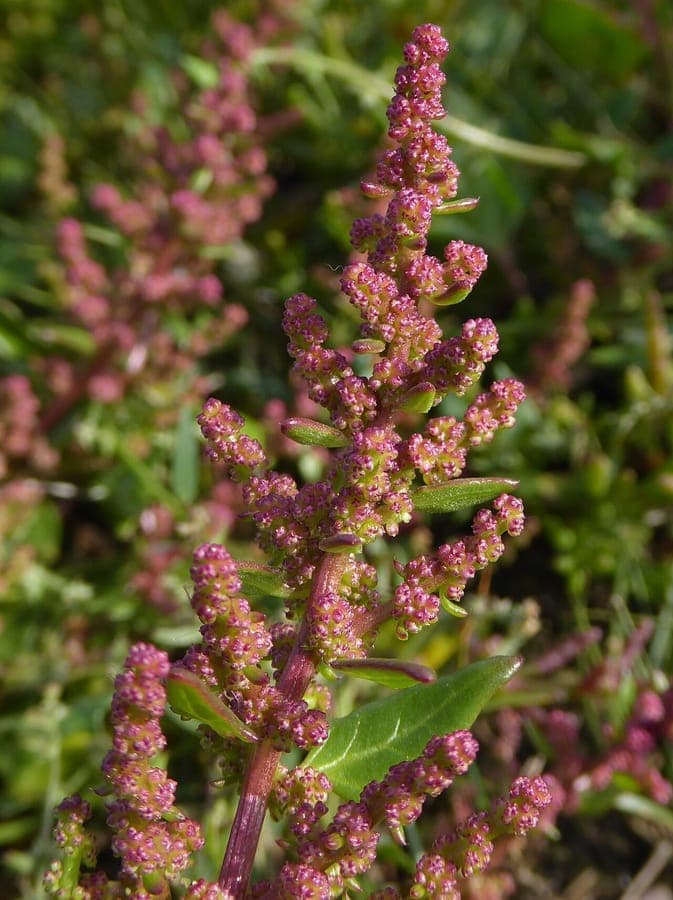
Low goosefoot (Oxybasis chenopodioides) is a remarkable plant from the Amaranthaceae family, better known as the goosefoot family. This plant grows naturally in salt and drought-rich habitats from Europe to Xinjiang and Afghanistan. With its nutritious leaves and exceptional salt-tolerant properties, low goosefoot is an interesting choice for gardeners with difficult growing conditions, especially in coastal areas or areas with soil salinity.
Appearance and Bloom
Low goosefoot grows as a low, creeping plant, typically 10 to 30 centimeters tall. The leaves are thick and succulent, grey-green in color and often have a powdery coating. The plant produces inconspicuous flowers that appear bundled in leaf axils. After flowering, the plant forms small fruits with seeds. The plant has a compact, bell-shaped growth pattern that works well for groundcover use.
Ideal Location
This plant thrives best in full sun to half shade. It can exceptionally tolerate very saline soils, hence the name goosefoot. Plant in locations where other plants cannot handle salt. It works well near coastal areas, salted roads or areas where snow has been treated with salt. The plant is also excellent for arid, stony or dry soils. Full sun helps the plant grow more compactly and full.
Soil
Low goosefoot accepts almost all soil types, from sand to clay. The difference is that this plant truly thrives in salt and poor water. The soil can be alkaline or saline. This is actually no problem for this halophyte. If your soil is healthy, the plant will still grow, but it fulfills its true potential in difficult salty conditions. Good drainage is beneficial, but the plant can also tolerate wetter conditions than many other drought-tolerant plants.
Watering
Once established, low goosefoot is very drought-tolerant. During the first growing season after planting, water regularly until deeper roots develop. After that, the plant requires almost no supplemental water. During dry periods and very hot months, occasional watering can help. In normal rainfall situations, no watering is needed. The plant also accepts fresh water better than many succulents because it naturally lives in salty conditions.
Diseño gratis
¿Quieres ver Low goosefoot: complete guide en tu jardín? Crea un diseño gratis ahora.
Pruning
Low goosefoot requires very minimal pruning work. Dead leaves can be removed in early spring. Faded flowers and seeds can be removed to prevent groundcover overgrowth. If the plant becomes leggy, you can cut it back to about half to encourage tighter growth. Overall, however, pruning is not essential for this low-maintenance plant.
Maintenance Calendar
Spring: Check for winter damage and remove dead parts. Summer: Observe for dry periods especially in very warm months. Fall: The plant remains green in temperate climates. Winter: In severe winters, the plant may retreat but usually regrows from the roots.
Winter Hardiness
Low goosefoot is fairly hardy, can tolerate temperatures down to about -10 to -15 degrees Celsius in dry conditions. In wet conditions, frost damage can be greater. The plant is native to large parts of Europe so it is suitable for temperate climates. In very cold regions, winter protection may be needed or the plant can be treated as an annual.
Companion Plants
Low goosefoot combines well with other salt-tolerant and drought-tolerant plants. Halophytes such as beets and other Amaranthaceae species work well together. Sea wormwood and other coastal plants are excellent neighbors. Group planting creates more dramatic effect. Plant with other low-growing groundcover plants for textural contrast. Avoid associations with moisture-lovers.
Closing
Low goosefoot is a specialist for difficult growing conditions, especially salt. This makes it indispensable for coastal gardens and areas with soil salinity. With its nutritious leaves and low-maintenance nature, it's a smart choice for sustainable garden development. For more plant advice and designs, visit gardenworld.app/nl and gardenworld.app/en.
¿Quieres ver Low goosefoot: complete guide en tu jardín? Crea un diseño gratis ahora.
Sube una foto, elige un estilo y obtén un diseño fotorrealista con lista de plantas en menos de un minuto.
Más de 10.000 jardines diseñados
Sin tarjeta de crédito


Plantas similares
Bassia laniflora (woolly summer-cypress): complete guide
Bassia laniflora
Full guide to Bassia laniflora: origin, appearance, ideal location, soil, watering and care for this drought-tolerant annual.
Suaeda spicata: complete guide
Suaeda spicata
Everything about Suaeda spicata (spiked seablite): a rare salt-tolerant coastal succulent from the western Mediterranean and Macaronesia.
California amaranth: complete guide
Amaranthus californicus
Full guide to California amaranth (Amaranthus californicus): growing tips, ideal location, soil needs, watering, and garden design ideas.