
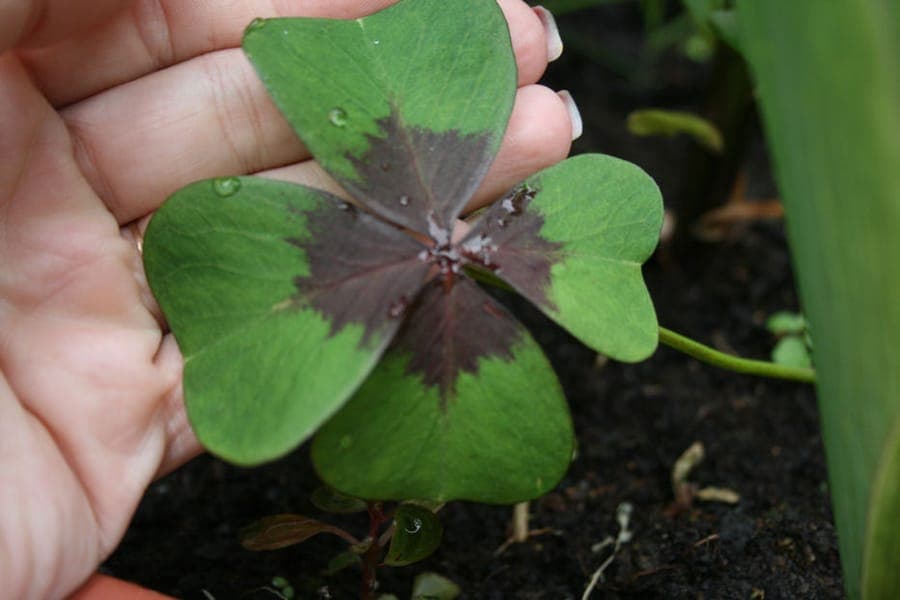
Humanfeather (talk) / CC BY 3.0, via Wikimedia Commons
Lucky Clover: complete guide
Oxalis tetraphylla
¿Quieres ver Lucky Clover: complete guide en tu jardín?
1 minuto, sin tarjeta de crédito
Introduction
The lucky clover, scientifically known as Oxalis tetraphylla, is a charming and striking plant with a rich history as a symbol of luck and fortune. This Mexican species has become increasingly popular as a houseplant across Europe and beyond. With its distinctive four-lobed leaves and delicate pink to reddish flowers, this plant not only adds color to your interior but also brings a certain magical charm. In this guide, you will learn everything you need to know about growing and caring for this special plant.
Overview
Oxalis tetraphylla is a compact plant that is excellent for beginners of all experience levels. Originating from Mexico and Central America, this species has spread across the world as a beloved houseplant. The name "lucky clover" refers to the legendary four-leaf clovers and the four-lobed leaves of this plant. Oxalis tetraphylla grows to approximately 15-30 centimeters in height and creates a beautiful compact plant that lends itself well to container cultivation. The flowers appear during the growing season and can vary in shades of pink and red, depending on the cultivar you choose.
Appearance and Bloom
The plant is characterized by its unique four-lobed leaves that display an almost geometric perfection. These leaves have an interesting characteristic: they fold at night and open during the day. The leaves are typically green, but some cultivars display reddish tinges, especially on the undersides.
The flowers of Oxalis tetraphylla are small but prolific, usually in shades of pink, red, or sometimes yellow, depending on the variety. These flowers appear on slender stems above the foliage and create a lovely visual effect. The blooming period extends over several months, typically from spring through autumn.
Ideal Location
The lucky clover thrives best in a spot with plenty of bright, indirect light. Place the plant on an east or west-facing window where it receives morning or afternoon sunlight but is protected from intense midday heat in summer. With insufficient light, the leaves will turn yellow and the plant will produce fewer flowers.
Indoors, you can best place the plant on a windowsill where light is adequate. Avoid direct south-facing exposure in summer, as this can lead to scorched leaves. The plant appreciates a breezy environment, so ensure good ventilation around your plant.
Soil
For Oxalis tetraphylla, light, well-draining potting soil is essential for success. Use a mixture of potting soil with approximately 30 percent perlite or coarse sand to improve drainage. The plant has a preference for a pH between 6.5 and 7. Make sure the pot has clear drainage holes, as waterlogging can be fatal to this plant.
Repotting schedule: Repot your lucky clover each spring in fresh potting soil, especially when you notice roots growing out of the drainage holes or the plant is growing slowly. A pot that is only a few centimeters larger usually suffices.
Diseño gratis
¿Quieres ver Lucky Clover: complete guide en tu jardín? Crea un diseño gratis ahora.
Watering
Watering is crucial when growing Oxalis tetraphylla. Keep the soil moderately moist during the growing season (spring and summer), but ensure it never becomes waterlogged. Check before watering whether the top centimeter of soil feels dry. In winter, when the plant grows more slowly, you can reduce watering frequency.
Use rainwater or bottled water if you have hard water, as this plant can be sensitive to lime content. The frequency of watering depends on various factors: room temperature, humidity and pot size. As a general rule: it is better to underwater than to overwater this plant.
Pruning
Pruning is not strictly necessary, but you can shape the plant in spring by removing yellowed or damaged leaves. This also stimulates bushier growth and more flower production. Use clean, sharp scissors to prevent damage. You can also pinch off spent flowers to encourage continued blooming throughout the season.
Maintenance Calendar
Spring: Begin watering after winter dormancy. Repot in fresh soil. Start feeding schedule. Summer: Regular watering and feeding every two weeks. Monitor for pests. Fall: Gradually reduce watering. Taper off feeding. Winter: Minimal watering. Avoid dry environments by keeping the plant away from central heating.
Winter Hardiness
Oxalis tetraphylla is not winter hardy and cannot tolerate frost. This species is tropical and must always be grown indoors or in a heated greenhouse in temperate climates. Even temperatures below 10 degrees Celsius can be harmful. In warm climates, the plant can be grown outdoors in protected locations, but this plant is primarily suited as a houseplant in most regions.
Companion Plants
The lucky clover grows well in combination with other compact houseplants with similar light requirements. Consider species such as Peperomia, Tradescantia, or small Ficus varieties. In table arrangements, you can beautifully combine Oxalis tetraphylla with ornamental grasses and low-growing flowering plants.
Closing
Oxalis tetraphylla is a delightful plant that is easy to grow and brings much joy to plant lovers of all levels. With proper lighting, correct watering and feeding, your lucky clover will provide you with years of bloom and green beauty. This plant symbolizes not only luck but truly brings it into your home through its cheerful appearance and pleasant presence.
Would you like to acquire this beautiful plant? Lucky clover is available at many garden centers. Many retailers stock this species in their assortment. Through gardenworld.app you can discover more plant species that suit your lifestyle. For more plant information and care tips, visit gardenworld.app.
¿Quieres ver Lucky Clover: complete guide en tu jardín? Crea un diseño gratis ahora.
Sube una foto, elige un estilo y obtén un diseño fotorrealista con lista de plantas en menos de un minuto.
Más de 10.000 jardines diseñados
Sin tarjeta de crédito


Plantas similares
Oxalis incarnata: complete guide
Oxalis incarnata
Discover the charming lilac oxalis for your front garden. Full growing guide, care tips and design ideas for this delicate summer bloomer.
Oxalis valdiviensis: complete guide
Oxalis valdiviensis
Learn how to grow Chilean yellow-sorrel with location, soil, watering and care tips. An elegant yellow-flowering ornamental.
Lifeplant: complete guide
Biophytum sensitivum
Lifeplant is a fascinating houseplant with sensitive leaves that fold when touched. Discover how to grow this tropical wonder and where to find it.