
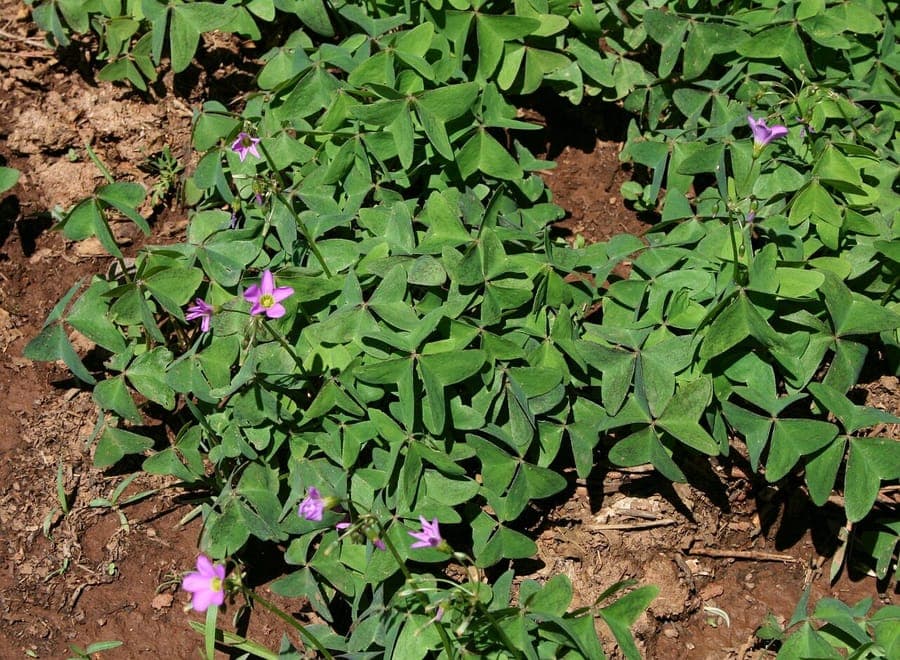
Franz Xaver / CC BY-SA 4.0, via Wikimedia Commons
Oxalis latifolia: complete guide
Oxalis latifolia
¿Quieres ver Oxalis latifolia: complete guide en tu jardín?
1 minuto, sin tarjeta de crédito
Overview
Oxalis latifolia, commonly known as Broadleaf wood-sorrel, is a refined plant distinguished by notably broader leaves than related species. This tropical variety originates from tropical and subtropical Americas, offering elegant sophistication with its robust foliage and delicate pink-white flowers. As a member of the Oxalidaceae family, Oxalis latifolia forms a full, lush specimen equally striking in borders and container cultivation.
Reaching 25 to 40 centimeters in height, it establishes strong, dense clumps. What distinguishes Oxalis latifolia are predominantly larger, thicker leaves displaying an almost succulent appearance. This imparts a more substantial presence compared to more graceful relatives. Flowers prove elegantly pink-white, larger than most other Oxalis species, creating visual impact.
Appearance and bloom cycle
The leaves of Oxalis latifolia are distinctly broader than other Oxalis species, displaying sturdy, luxuriant character. Each leaf comprises three rounded leaflets with soft, almost fleshy appearance. Leaf coloration ranges from bright to deep green depending on light exposure and nutritional status.
Flowers are strikingly larger, approximately 15-20 millimeters across, appearing in soft pink to white, sometimes with lighter centers. Blooming extends from May through October and proves extremely profuse. The plant exhibits characteristic nocturnal leaf closure, adding extra charm. Seed capsules follow flowers, ripening gradually; many gardeners remove seed stalks to prevent excessive self-sowing.
Ideal location
Oxalis latifolia thrives best in positions receiving abundant light. The plant prefers minimum 4 to 6 hours of direct daily sunlight, though it remains acceptable in partial shade. In full shade, growth becomes weak and substandard. For optimal blooming and form, select a sunny to half-sunny location.
The plant is exceptionally suited to container cultivation. In large pots, it grows fuller and flowers more abundantly than in small containers. Position it on balconies, terraces, or borders where it receives adequate room for expansion. The plant appreciates protection from harsh winds, especially during peak growth.
Soil requirements
Oxalis latifolia prefers well-draining substrate with reasonable organic content. A mixture of standard potting compost amended with added compost works excellently. The plant grows in poorer soils but flowers less prolifically. A pH between 6.0 and 7.0 proves ideal.
Due to its tropical origin, this species appreciates slightly more nutrition than relatives. Add compost or plant fertilizer in spring. Ensure good drainage; waterlogging proves detrimental. In container cultivation, regularly check that potting soil doesn't become depleted.
Diseño gratis
¿Quieres ver Oxalis latifolia: complete guide en tu jardín? Crea un diseño gratis ahora.
Watering
Oxalis latifolia prefers consistently moist substrate but not waterlogged. Water when the top 2 centimeters feel dry, but avoid complete drying. This tropical species tolerates drought less favorably than relatives; provide consistent moisture supply.
During growing periods (April-October) this means regular watering; during rest periods (November-March) considerably less. Preferably use rainwater. In container cultivation, regularly check that soil remains balanced.
Pruning and shaping
Oxalis latifolia demands relatively minimal pruning, though it requires more maintenance than relatives. Annual light spring pruning helps maintain compact form. Regularly remove spent flowers and seed stalks to keep plants neat and continuously flowering.
If the plant becomes sparse during summer, gently remove dead or damaged foliage. This improves air circulation and reduces disease risk. Container cultivation requires somewhat more regular maintenance.
Maintenance calendar
February-March: Inspect for winter damage, remove dead foliage. Light pruning. Begin feeding.
April-May: Regular feeding with standard garden fertilizer. Increase moisture supply.
June-August: Feed every two weeks. Monitor for fungal issues. Remove seed stalks for continuous bloom.
September-October: Reduce feeding gradually. Water slightly less.
November-February: Minimal feeding and water. Plant rests; monitor carefully for disease.
Winter hardiness
Oxalis latifolia lacks frost tolerance in temperate climates. This clearly tropical species requires frost-free winter conditions. In cooler regions, bring this plant indoors in October or earlier if night temperatures drop below 10 degrees Celsius.
Plants can winter in cool glasshouses or warm rooms with minimal feeding and water. The plant tolerates frost poorly; even brief freezes prove damaging. This suits gardeners able to provide winter protection or those willing to propagate annually.
Companion planting suggestions
Oxalis latifolia creates lovely combinations with soft-foliaged plants such as delicate Helleborus or white-flowering violets. For summer compositions, pair beautifully with silvery Senecio foliage and delicate Diascia blooms. In large pots, combine nicely with white Bacopa or soft-green Soleirolia.
The sturdy leaves of Oxalis latifolia provide excellent contrast with filigreed neighbors. It works well in tropically-oriented garden corners too.
Final thoughts
Oxalis latifolia suits gardeners seeking something tropical and special, requiring somewhat more care than standard groundcovers. This plant offers visual richness and elegance. Most garden centers stock healthy specimens. Following this guide, you'll enjoy this beautiful plant for years.
For care questions, visit gardenworld.app for further inspiration. This plant truly transforms your garden!
¿Quieres ver Oxalis latifolia: complete guide en tu jardín? Crea un diseño gratis ahora.
Sube una foto, elige un estilo y obtén un diseño fotorrealista con lista de plantas en menos de un minuto.
Más de 10.000 jardines diseñados
Sin tarjeta de crédito


Plantas similares
Oxalis incarnata: complete guide
Oxalis incarnata
Discover the charming lilac oxalis for your front garden. Full growing guide, care tips and design ideas for this delicate summer bloomer.
Oxalis valdiviensis: complete guide
Oxalis valdiviensis
Learn how to grow Chilean yellow-sorrel with location, soil, watering and care tips. An elegant yellow-flowering ornamental.
Lifeplant: complete guide
Biophytum sensitivum
Lifeplant is a fascinating houseplant with sensitive leaves that fold when touched. Discover how to grow this tropical wonder and where to find it.