
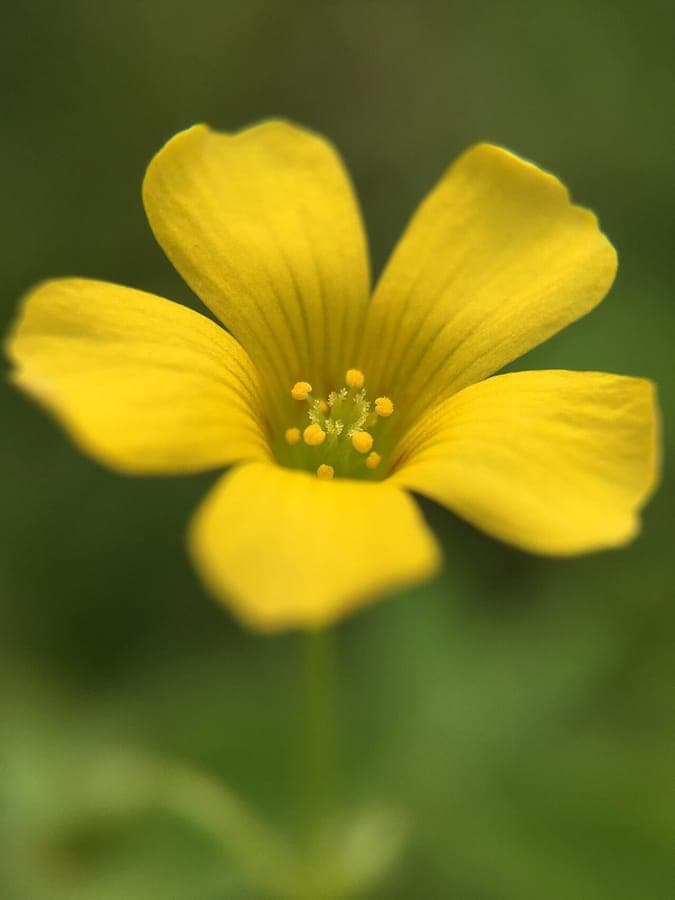
Norio Nomura / CC BY-SA 4.0, via Wikimedia Commons
Oxalis corniculata: complete guide
Oxalis corniculata
¿Quieres ver Oxalis corniculata: complete guide en tu jardín?
1 minuto, sin tarjeta de crédito
Overview
Oxalis corniculata, commonly known as Creeping wood-sorrel or yellow sorrel, is a delightful low-growing plant that many gardeners encounter on their horticultural journey. This petite beauty originates from the subtropical regions spanning Mexico to Venezuela and Peru, though it has now naturalized across the globe. Belonging to the Oxalidaceae family, Oxalis corniculata thrives equally well in garden beds and containers, offering versatility that few plants can match.
Reaching heights of merely 15 to 20 centimeters, this spreading plant quickly establishes itself as a ground cover through its vigorous runners. What truly sets Oxalis corniculata apart is its remarkable adaptability and rapid establishment in virtually any growing condition. It's an ideal choice for both novice gardeners and seasoned horticulturists seeking a refined, low-growing accent with considerable character and charm.
Appearance and bloom cycle
The leaves of Oxalis corniculata are distinctly trifoliate, composed of three heart-shaped leaflets with delicate venation patterns. Leaf coloration ranges from bright green to reddish-brown, depending on light exposure and cultivar selection. A fascinating feature is the plant's nyctinastic response, where leaves fold inward at dusk, a phenomenon that never ceases to captivate observers.
The flowers are diminutive, approximately 8 to 10 millimeters across, yet brilliantly yellow and luminously attractive. They appear in dense clusters, blooming profusely from May through October, providing an extended display period. Following pollination, elongated seed pods develop and explosively dehisce when mature, dispersing seeds with botanical precision and vigor.
Ideal location
Oxalis corniculata performs best in positions receiving abundant light. The plant requires minimum 4 to 6 hours of direct sunlight daily, though it tolerates partial shade reasonably well. In full shade, however, growth becomes etiolated and lanky. For optimal flowering, select a sunny location in your garden or on your balcony.
The plant demonstrates considerable ecological flexibility. It succeeds equally well in containers, as border edging, between pavers, and in hanging baskets. In temperate climates, it can remain outdoors year-round, though in colder regions, protective shelter becomes necessary during harsh weather.
Soil requirements
Oxalis corniculata demonstrates admirable indifference toward soil conditions. It grows optimally in light, well-draining substrate with a pH range of 6.0 to 7.0. Standard potting compost amended with one-third perlite or coarse sand provides excellent growing medium. The plant tolerates moist conditions reasonably well, though waterlogging must be rigorously avoided.
Ensure fertility levels remain moderate. Nutrient-rich substrates can encourage excessive vegetative growth at the expense of floral production. A single application of balanced organic fertilizer in spring suffices entirely.
Diseño gratis
¿Quieres ver Oxalis corniculata: complete guide en tu jardín? Crea un diseño gratis ahora.
Watering
Oxalis corniculata requires consistent moisture but not excessive saturation. Allow the substrate to dry marginally between watering events, particularly during dormancy. During the active growing season (spring and summer), watering frequency naturally increases; during winter rest, reduce proportionally.
Rainwater is optimal for irrigation. Hard tap water can gradually induce nutritional deficiencies, so collect rainfall when feasible. Always water at soil level or around pot perimeters, never wetting foliage directly.
Pruning and shaping
Oxalis corniculata demands minimal pruning intervention. Its naturally compact, full habit rarely becomes disorderly. However, light cutback in late autumn (October) encourages vigorous spring regeneration. Remove any wayward runners at any season to maintain desired form.
In container cultivation, simply remove seedlings and overgrown shoots that exceed intended boundaries. This actually stimulates production of fresh, vigorous new stems.
Maintenance calendar
March: Inspect plants for winter damage and remove senescent foliage. Apply initial seasonal fertilization.
April-May: Commence regular watering and feeding as temperatures rise and growth accelerates.
June-August: Apply diluted fertilizer biweekly. Ensure consistent moisture availability.
September-October: Discontinue feeding; gradually reduce watering as growth naturally slows.
November-February: Minimal feeding and watering. Monitor for disease; the plant enters dormancy.
Winter hardiness
Oxalis corniculata exhibits limited frost tolerance. While it survives outdoors in Mediterranean climates, northern European gardeners must provide cool greenhouse protection or frost-resistant shelter. The plant tolerates brief freezes to approximately -2 degrees Celsius, though prolonged frost proves fatal.
In temperate zones, plants typically decline in autumn, losing foliage. This is normal; drastically reduce water and nutrients, maintaining cool, dry conditions until spring returns. New shoots subsequently emerge from dormant root systems.
Companion planting suggestions
Oxalis corniculata creates striking combinations with other low groundcovers such as Ajuga and Creeping thyme. For classic spring compositions, intersperse small bulbs or crocuses above. In containers, pair it beautifully with ornamental grasses and gentle-hued hardy geraniums.
On balconies, it serves as sophisticated underplanting beneath standard fuchsias or miniature roses. The contrast between delicate Oxalis foliage and more robust plants creates compelling visual interest.
Final thoughts
Oxalis corniculata represents an underappreciated horticultural gem that deserves a place in every gardener's collection. With its compact habit, extended bloom period, and effortless care requirements, it merits cultivation both in earth-based borders and container settings. Whether acquired from local garden centers, it rewards the careful gardener abundantly.
Following this comprehensive guide, you'll enjoy this charming sorrel for years. Visit gardenworld.app for additional inspiration regarding groundcovers and compatible plant companions. Happy gardening!
¿Quieres ver Oxalis corniculata: complete guide en tu jardín? Crea un diseño gratis ahora.
Sube una foto, elige un estilo y obtén un diseño fotorrealista con lista de plantas en menos de un minuto.
Más de 10.000 jardines diseñados
Sin tarjeta de crédito


Plantas similares
Oxalis incarnata: complete guide
Oxalis incarnata
Discover the charming lilac oxalis for your front garden. Full growing guide, care tips and design ideas for this delicate summer bloomer.
Oxalis valdiviensis: complete guide
Oxalis valdiviensis
Learn how to grow Chilean yellow-sorrel with location, soil, watering and care tips. An elegant yellow-flowering ornamental.
Lifeplant: complete guide
Biophytum sensitivum
Lifeplant is a fascinating houseplant with sensitive leaves that fold when touched. Discover how to grow this tropical wonder and where to find it.