
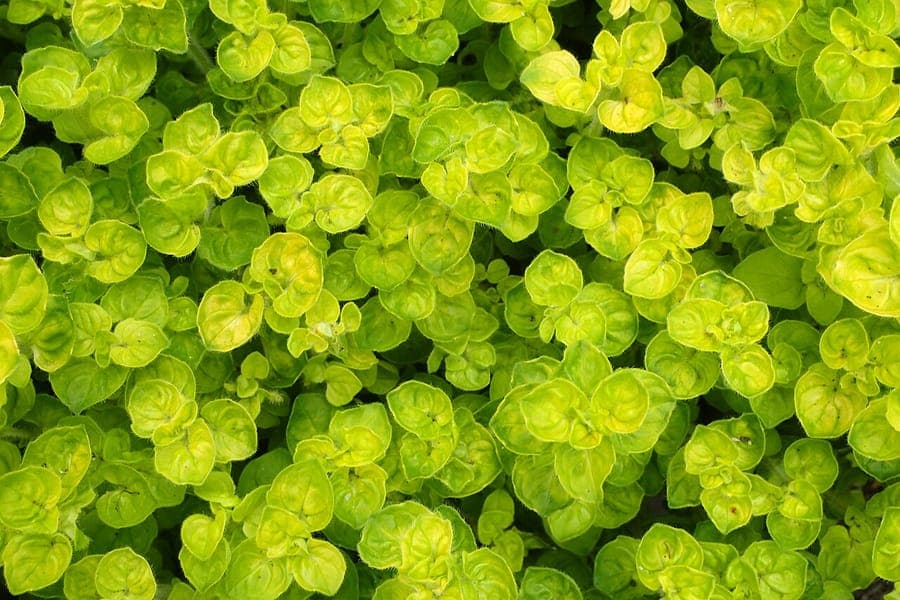
Krzysztof Ziarnek, Kenraiz / CC BY-SA 4.0, via Wikimedia Commons
Origanum onites: complete guide
Origanum onites
¿Quieres ver Origanum onites: complete guide en tu jardín?
1 minuto, sin tarjeta de crédito
Overview
Origanum onites, commonly known as Turkish oregano or pot marjoram, is a compact herb from the Lamiaceae family. This aromatic species is native to Mediterranean regions and thrives in temperate to warm climates. Widely used in Mediterranean cuisine, it makes an excellent kitchen garden addition.
This compact-growing plant typically reaches 30 to 45 centimeters in height and blooms abundantly during summer and autumn.
Appearance and Bloom
Turkish oregano displays small, dark green leaves with highly fragrant aroma when touched. The leaves possess fine, shallow texture suitable for harvesting. During summer, plants produce numerous tiny purple or pink flowers in dense clusters.
These flowers attract butterflies and bees, making this plant a valuable garden addition not only for kitchen use but also for supporting insect populations.
Ideal Location
Turkish oregano thrives best in full sun with at least six hours of direct daily sunlight. Position it in a warm, sunny corner of your garden. The plant grows well on slopes and well-drained locations.
A protected spot sheltered from strong winds helps maintain plant health.
Soil
This plant is unfussy about soil and grows well on lean to moderately nutrient-rich earth. A pH between 6.0 and 8.0 remains ideal. The plant requires well-drained soil, as wet feet lead to root rot.
Sand, gravel, or stones can be added to soil to improve drainage if growing on heavy clay.
Watering
Once established, Turkish oregano shows excellent drought tolerance. During the first year, water regularly, but once established, the plant flourishes without supplemental water except during prolonged drought.
Water carefully at the plant base to prevent water landing on foliage, which encourages fungal disease.
Diseño gratis
¿Quieres ver Origanum onites: complete guide en tu jardín? Crea un diseño gratis ahora.
Pruning
Regular pruning helps keep plants compact and full. Gently trim plant tops in early summer before blooming begins. This stimulates the plant to produce more leaves and flowering branches.
When harvesting leaves for kitchen use, careful pruning is standard practice.
Maintenance Calendar
Spring: Prune and water carefully. Summer: Bloom flourish and harvest leaves. Autumn: Reduced watering needs. Winter: Minimal maintenance in temperate zones.
Winter Hardiness
Turkish oregano shows reasonable winter hardiness, tolerating temperatures down to approximately -10°C, though protection during severe winters proves beneficial. In milder regions, it will often survive.
Companion Plants
Combine with other Mediterranean herbs such as lavender, sages, and thyme. It works well grouped with other Origanum species. Also combine with winter jasmine and other drought-tolerant plants.
In kitchen garden design, plant it closely with other culinary herbs for harvesting convenience.
Conclusion
Origanum onites represents a valuable Mediterranean herb combining beauty, fragrance, and culinary utility. With attention to sunlight, drainage, and careful watering, your Turkish oregano flourishes for years. This is an essential herb for those enjoying Mediterranean cuisine.
Available at garden centers and specialized herb nurseries throughout Britain and Europe.
Gardenworld.app/en/guide/mediterranean-herbs | Gardenworld.app/en/tips/kitchen-garden
¿Quieres ver Origanum onites: complete guide en tu jardín? Crea un diseño gratis ahora.
Sube una foto, elige un estilo y obtén un diseño fotorrealista con lista de plantas en menos de un minuto.
Más de 10.000 jardines diseñados
Sin tarjeta de crédito


Plantas similares
Apple mint (Mentha x villosa): complete guide
Mentha x villosa
Meet apple mint (Mentha x villosa): a fruity-scented kitchen herb with woolly leaves, perfect for tea and mojitos.
Salvia peyronii: complete guide
Salvia peyronii
Discover Salvia peyronii, a rare Lebanese mountain sage. Growing tips, hardiness, and companion planting for a Mediterranean gravel garden.
Bigleaf mint (Mentha x rotundifolia): complete guide
Mentha x rotundifolia
Discover bigleaf mint: cultivation, care tips, and garden uses. Learn how to grow this aromatic herb with soft, hairy leaves.