
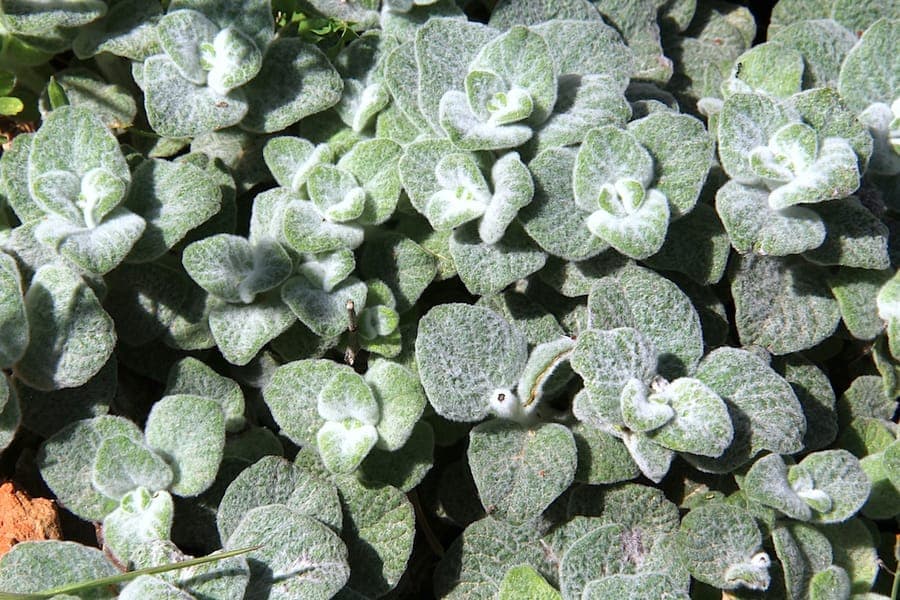
Peter A. Mansfeld / CC BY 3.0, via Wikimedia Commons
Origanum Dictamnus: Complete guide
Origanum dictamnus
¿Quieres ver Origanum Dictamnus: Complete guide en tu jardín?
1 minuto, sin tarjeta de crédito
Origanum Dictamnus: Complete guide
Overview
Origanum dictamnus, commonly known as Cretan dittany or Hop Marjoram, is a uniquely rare herb garden plant that occurs in nature only on the island of Crete. This extraordinary member of the Lamiaceae (mint) family has been celebrated since ancient times for its medicinal and culinary properties. The plant is highly prized by gardeners seeking something genuinely Mediterranean with a rich heritage.
Appearance and bloom
Cretan dittany grows as a compact, woody shrub typically reaching between 30 and 60 centimetres in height. The plant features characteristic grey-green, densely hairy leaves that remain pale through their grey covering. These leaves contain numerous oil glands that release an aromatic, warm fragrance when touched. Flowers appear during summer months (July through September) and are small, elegant, and range from pink to lilac in colour. They grow in loose flower clusters atop the stems. While not dramatically large, they possess a delicate beauty that attracts many pollinators.
Ideal location
Cretan dittany thrives best in a sunny location receiving full sunlight for the majority of the day. A location with at least six to eight hours of direct light is ideal. The plant prefers sites where light shelter can help prevent moisture influx, yet remain well-ventilated. Many gardeners plant this herb in rock gardens, at the base of dry stone walls, or in raised beds where it feels at home.
Soil
This plant makes very modest demands on soil. In fact: the poorer, the better. In its native habitat, Origanum dictamnus grows on stony mountain slopes with extremely nutrient-poor soil. In the garden, it is best to utilise a well-draining, virtually nutrient-free soil. A mixture of sand, gravel and some peat or humus works excellently. Add clay or heavy soil if you have it - it improves drainage.
Watering
Once established, Cretan dittany is highly drought-tolerant and requires minimal watering. In fact, regular irrigation can cause more harm than benefit, especially in areas with heavy rainfall. Water only when the soil is completely dry, especially outside the growing season. In Mediterranean climates, rainfall is usually sufficient. If you live in a region with heavy precipitation, ensure superior drainage. Overwatering is one of the most common causes of failure with this plant.
Diseño gratis
¿Quieres ver Origanum Dictamnus: Complete guide en tu jardín? Crea un diseño gratis ahora.
Pruning
Pruning is not strictly necessary, but light pruning helps keep the plant compact and full. After flowering (in September or October), you can remove dead flower heads to conserve energy and prevent seeding if desired. In spring, you can gently shorten the stems to about two-thirds of their height to encourage new growth. Avoid heavy pruning in winter, as the plant regrows less vigorously.
Maintenance calendar
January to March: Winter dormancy period. Minimal maintenance needed. Check drainage in wet regions. April to June: Release for growth and positioning in full sun. Can be gently pruned. July to September: Flowering period. Watering limited. October to December: Flowering declines. Remove dead flowers. Prepare for winter.
Winter hardiness
Origanum dictamnus is moderately winter hardy and cannot tolerate many frost periods. In zones where winters are severe (below -10 degrees Celsius), it deserves preference for container cultivation so it can be brought indoors during winter. In milder, Mediterranean climates, it can overwinter outdoors, especially if planted in a southwest exposure and in a dry location. Snow and ice are worse than cold itself.
Companion plants
Cretan dittany works beautifully in the company of other Mediterranean plants with similar cultivation requirements. Try it with thyme, santolina, lavender, oregano and other drought-preferring shrubs. This combination creates an authentic Mediterranean garden landscape. Gardeners particularly enjoy grouping it with silver-leaved salvias and purple sage for contrasting structure. The soft pink flowers contrast beautifully with silver or grey-green foliage.
Closing
The Cretan dittany is a true gem in any Mediterranean garden, despite some beginner concerns. Once adapted to growing conditions, it will require minimal maintenance for years to come. It is a perfect choice for gardeners who love drought-tolerant herbs, rarity and historical interest. Plant it today and enjoy its fragrance and heritage. For more information, visit gardenworld.app.
For more garden tips and plant selection, visit gardenworld.app for personalized garden designs.
¿Quieres ver Origanum Dictamnus: Complete guide en tu jardín? Crea un diseño gratis ahora.
Sube una foto, elige un estilo y obtén un diseño fotorrealista con lista de plantas en menos de un minuto.
Más de 10.000 jardines diseñados
Sin tarjeta de crédito


Plantas similares
Apple mint (Mentha x villosa): complete guide
Mentha x villosa
Meet apple mint (Mentha x villosa): a fruity-scented kitchen herb with woolly leaves, perfect for tea and mojitos.
Salvia peyronii: complete guide
Salvia peyronii
Discover Salvia peyronii, a rare Lebanese mountain sage. Growing tips, hardiness, and companion planting for a Mediterranean gravel garden.
Bigleaf mint (Mentha x rotundifolia): complete guide
Mentha x rotundifolia
Discover bigleaf mint: cultivation, care tips, and garden uses. Learn how to grow this aromatic herb with soft, hairy leaves.