
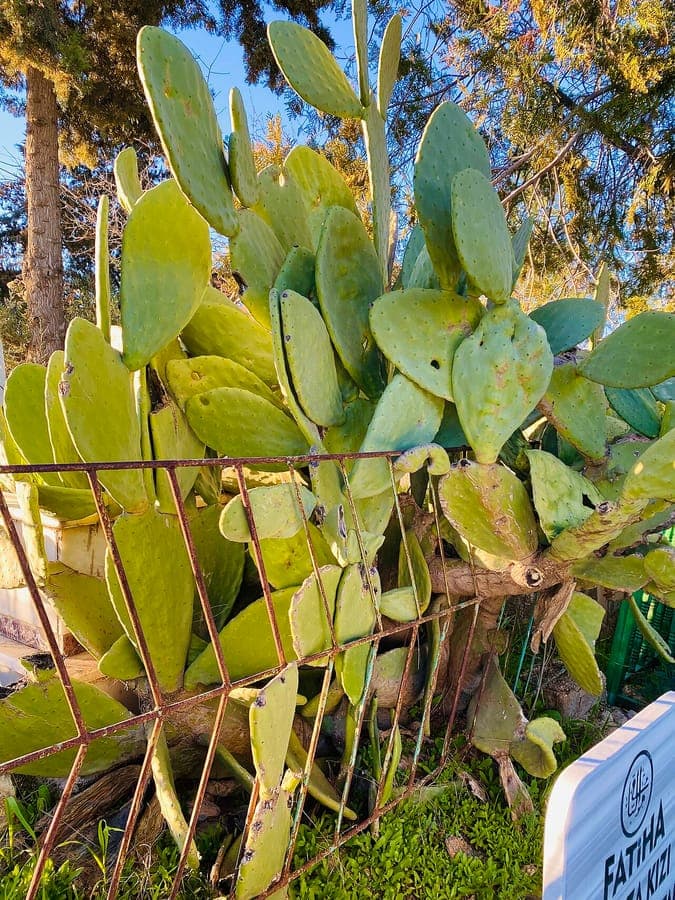
YG01 / CC BY 4.0, via Wikimedia Commons
Opuntia ficus-indica: complete guide
Opuntia ficus-indica
¿Quieres ver Opuntia ficus-indica: complete guide en tu jardín?
1 minuto, sin tarjeta de crédito
Overview
Opuntia ficus-indica, commonly known as Indian fig or prickly pear, is a fascinating cactus variety from the Cactaceae family. This plant is renowned for its flattened, fleshy stems (called cladodes) and delicious edible fruits. Originally from Mexico, it is now widespread in the Mediterranean and other warm climates.
Beyond its ornamental value, Opuntia ficus-indica is economically important for its nutritious fruits. In many countries it is grown commercially for food production. In gardens, it serves as a functional plant with dual purpose: beauty and yield.
Appearance and growth
Opuntia ficus-indica grows as a shrubby plant with characteristic flattened, grayish-green leaves that are actually modified stems (cladodes). These can reach up to 40 centimeters in length. The plant typically reaches 2-4 meters tall and forms a dense, spreading shrub.
Flowers appear in May to June - bright yellow or orange and very striking. After pollination come the fruits: prickly pears, round fruits the size of almonds with a thick skin covered with numerous small spines. They progress from green via yellow to orange as they ripen, usually August to October.
Ideal location
Opuntia ficus-indica grows best in fully sunny locations with at least 6-8 hours of direct sun daily. An open, windy spot is ideal, as the plant tolerates wind well. Avoid shady spots, as this results in poor flowering and fruit development.
The plant is very heat-loving and can also grow in very warm microclimates where other crops struggle. Planted against high hedges or near warm stone walls, it captures extra warmth.
Soil
Opuntia ficus-indica is very undemanding with soil and grows in almost any soil type, as long as drainage is good. Sand, clay, gravel - all suitable. A pH between 5.5 and 8.0 is acceptable. The plant grows better in somewhat poor soil than in very fertile soil.
Good drainage is absolutely essential. Add sand or gravel to heavy soils. The plant cannot tolerate stagnant water and will quickly die in wet conditions. Provide a drainage layer at the base of the plant.
Diseño gratis
¿Quieres ver Opuntia ficus-indica: complete guide en tu jardín? Crea un diseño gratis ahora.
Watering
Opuntia ficus-indica is very drought-tolerant once established and requires minimal water. Water only during very dry periods - actually the plant is usually completely self-sufficient. Excessive water is harmful and causes root rot.
In the first growing year: more regular water to build roots. Once established (after 1-2 years) minimal water. Winter watering should be minimal - actually virtually no water in cold months.
Harvest and fruits
It is a prime part of growing Opuntia ficus-indica - harvesting the fruits. Wait until the fruits are completely orange (September-October). Pluck them carefully with thick gloves, as they are covered with fine spines that can cause pain.
Rinse the fruits carefully under running water to remove the spines. Then cut them open and eat the fruit pulp. The taste is like sweet watermelon with a subtle lime-like tint. Very nutritious with lots of vitamin C and minerals.
Maintenance and pruning
Opuntia ficus-indica requires minimal maintenance. Remove dead or damaged cladodes, but otherwise let the plant grow. Heavy pruning is not needed unless you want to control the shape.
Caution: wear gloves when handling the plant - the spines can prick quite painfully. After harvesting fruits, you can remove the empty cladodes to make room for new growth.
Winter hardiness
Opuntia ficus-indica is moderately hardy to about -8 to -10 degrees Celsius for mature plants. In colder regions, protection is recommended - wrap the plant with jute in harsh winters or put on wheels and move to a protected location.
Young plants are more vulnerable and should be protected during their first winters. Mulching around the base helps isolate roots from frost.
Companion plants
Opuntia ficus-indica makes lovely combinations with other succulent plants and Mediterranean herbs. Combine with lavender, rosemary, santolina or other drought-loving plant material. Its tall form makes it suitable as a background in mixed borders.
Other cacti and succulents also work well together from the perspective of water requirements and environmental preferences.
Conclusion
Opuntia ficus-indica is a unique combination of decorative and functional - it provides nutritious fruits while beautifying the garden. For those interested in growing food in gardens, this is an ideal plant. At gardenworld.app, you can get advice on designing productive gardens with ornamental value. Purchase young plants from specialized nurseries for best results.
¿Quieres ver Opuntia ficus-indica: complete guide en tu jardín? Crea un diseño gratis ahora.
Sube una foto, elige un estilo y obtén un diseño fotorrealista con lista de plantas en menos de un minuto.
Más de 10.000 jardines diseñados
Sin tarjeta de crédito


Plantas similares
Plains prickly pear: complete guide
Opuntia polyacantha
All about plains prickly pear cactus: hardiness, soil, placement and care. One of the most cold-tolerant cacti for temperate gardens.
Saguaro: complete guide
Carnegiea gigantea
Everything about growing saguaro cactus: container care, watering, overwintering, and companion plants for this iconic desert giant.
Cylindropuntia imbricata: complete guide
Cylindropuntia imbricata
The Tree Cholla offers distinctive segmented stems and vibrant red flowers. A unique ornamental succulent perfect for sunny, dry gardens and large containers.